
في الإنتاج الصناعي الحديث، لا يمكن اعتبار المعدات التي لا تحتوي على مبردات صناعية غير ذات صلة لأن المبرد الصناعي هو الذي يوفر بيئة تبريد ثابتة للعديد من قطع المعدات والعمليات داخل الإنتاج. معظم المبردات المتقدمة المبردات الصناعية قد تتعطل بعد الاستخدام لفترات طويلة، مما يؤثر على أدائها وكفاءتها. وبالتالي فإن هذه المقالة سوف تبرز المشاكل الشائعة جداً في أنظمة التبريد الصناعية إلى جانب الحلول الفعالة التي من شأنها أن تقطع شوطاً طويلاً في ضمان التشغيل المستقر للمعدات وزيادة عمرها التشغيلي.
I. مشاكل نظام الطاقة الأساسي
الضاغط والمبرد. في الواقع، يتكون نظام الطاقة الأساسي للمبرد الصناعي من كل من الضاغط والمبرد، اللذان يمكّنان دورة التبريد بشكل أساسي من العمل بشكل جيد. في معظم الحالات، تمامًا مثل قلب أي جسم آخر، يقوم الضاغط بتحريك دوران غاز التبريد مع زيادة ضغطه؛ ومن ناحية أخرى، يمتص المبرد الحرارة ثم يطلقها ليخلق تأثير التبريد. سيؤدي ذلك إلى تعطل النظام بأكمله إذا تعطلت هذه المكونات الرئيسية.
1. توقف متكرر لبدء تشغيل الضاغط أو إيقاف تشغيله بالكامل

إذا توقف الضاغط بعد فترة وجيزة من بدء التشغيل أو تعطل بشكل متكرر، فلن يوفر المبرد تبريدًا مستقرًا. يمكن أن يحدث هذا لعدة أسباب. أحد الأسباب هو أن ضغط التكثيف مرتفع للغاية. قد يكون هذا لأن نظام التبريد لا يعمل بشكل صحيح. والسبب الآخر هو أن ضغط الشفط منخفض للغاية. وهذا يعني عادةً عدم وجود سائل تبريد كافٍ. أيضًا، إذا كان جهد مصدر الطاقة غير مستقر، فقد يتسبب ذلك في حدوث مشاكل.
لتصحيح مثل هذه المشاكل، تحقق أولاً مما إذا كان جهد الإمداد متوازنًا وتأكد من أن جميع التوصيلات الكهربائية مؤمنة جيدًا ضد تلف الضاغط الناتج عن تذبذب الجهد أو مشاكل في التوصيلات. قم بقياس الضغط العالي والمنخفض لأن هذه وحدة تكثيف. إذا كان ضغط التكثيف مرتفعًا جدًا، فقم بتنظيف المكثف للتأكد من أن نظام التبريد يعمل بشكل طبيعي.
2. تسرب المبردات وعدم كفايتها
تنخفض سعة التبريد بشكل كبير، وتنخفض درجة حرارة المبخر بشكل مفرط أو حتى تتجمد، وتحدث إنذارات انخفاض الضغط بشكل متكرر. تسرب سائل التبريد هو السبب الرئيسي لانخفاض كفاءة النظام. مع انخفاض سائل التبريد، ينخفض ضغط التبخير، وتنخفض درجة حرارة التبخير، مما يؤدي إلى عدم كفاية ناتج التبريد. تحدث التسريبات عادةً في وصلات الأنابيب أو واجهات الصمامات أو المناطق المتآكلة في المبادل الحراري.
يكمن مفتاح حل مشاكل المبردات في الكشف الدقيق عن التسرب. استخدم جهاز كشف التسرب الإلكتروني أو جهاز التتبع الفلوري لفحص النظام بدقة وتحديد موقع التسرب بدقة. بعد إصلاح التسريب، قم بإجراء معالجة تفريغ شامل للنظام لإزالة الغازات غير القابلة للتكثيف (مثل الهواء والرطوبة) وضمان نظافة النظام. أخيرًا، التزم بدقة بنوع المبرد وكمية الشحن المحددة من قبل الشركة المصنعة لتجنب التأثير على كفاءة النظام بسبب الشحن الزائد أو الشحن الناقص.
ثانيًا. مشاكل كفاءة التبادل الحراري: المكثف ونظام تدوير المياه
تعد كفاءة التبادل الحراري مؤشر أداء رئيسي للمبردات الصناعية. إن أي انسداد أو تلوث في المكثف ونظام تدوير المياه سيزيد بشكل كبير من استهلاك الطاقة ويقلل من أداء التبريد. يمكن التغاضي عن هذه المشاكل بسهولة في الصيانة الروتينية ولكن لها تأثير عميق على تشغيل النظام على المدى الطويل.
1. تحجيم المكثف أو التلوث
يزيد الضغط المرتفع بشكل غير طبيعي من حمل الضاغط، مما يؤدي إلى انخفاض كبير في نسبة كفاءة الطاقة. يتشكل القشور بسهولة على الجدار الداخلي للأنابيب النحاسية في مكثف مبرد الماء. المقاومة الحرارية للقشور أعلى بكثير من مقاومة المعدن، مما يؤثر بشدة على التبادل الحراري. زعانف المبردات المبردات المبردة بالهواء مغطاة بسهولة بالغبار والزيت والوبر، مما يعيق تدفق الهواء ويقلل من مساحة التبادل الحراري.
يتطلب حل مشاكل المكثف صيانة منتظمة. بالنسبة للمبردات المبردات المبردة بالماء، يمكن للتنظيف الكيميائي المنتظم أو إزالة الترسبات الفيزيائية إزالة الترسبات الكلسية تمامًا. وفي الوقت نفسه، قم بتحسين إدارة جودة المياه في المياه الدائرة، باستخدام أدوات مؤهلة لإزالة التآكل. في البيئات المغبرة، ضع في اعتبارك تركيب مرشحات عالية الكفاءة أو أغطية غبار للحد من تلوث الزعانف بالغبار.
2. عدم كفاية تدفق مياه التبريد
إذا كان الفرق في درجة الحرارة بين مخرج المبخر أو المكثف والمياه المرتجعة كبيرًا جدًا، فسيظهر أيضًا انخفاض تدفق المياه. قد تكون المضخة قد تعطلت، أو قد تكون قارنة التوصيل تالفة، أو الصمام غير مفتوح بالكامل، أو مرشحات المياه مسدودة؛ هذه كلها أسباب لانخفاض تدفق المياه. عندما يكون تدفق المياه منخفضًا، لا يمكن للمياه المبردة تبادل الحرارة مع المبرد بشكل صحيح داخل المبخر، مما يؤدي إلى تبريد غير فعال.
لحل مشكلة التدفق غير الكافي لمياه التبريد، تحقق مما إذا كانت مضخة المياه تعمل بشكل طبيعي وما إذا كانت المكره تالفة، مع التأكد من أن المضخة يمكنها توفير تدفق كافٍ. قم بتنظيف الفلتر أو المصفاة من النوع Y بانتظام لإزالة الشوائب من خط الأنابيب وضمان التدفق السلس للمياه. أخيرًا، تحقق من إعدادات مفتاح التدفق أو مفتاح الضغط التفاضلي للتأكد من أنها صحيحة وتعمل بشكل صحيح لتجنب إيقاف تشغيل النظام بسبب الإنذارات الكاذبة.
ثالثاً. المشاكل الكهربائية ونظام التحكم
النظام الكهربائي ونظام التحكم هو “العقل” للمبرد الصناعي، مما يضمن التشغيل الدقيق والأداء المستقر. ومع ذلك، يمكن أن يؤدي تقادم المكونات الكهربائية أو خلل في منطق التحكم إلى تشغيل المعدات بشكل غير طبيعي أو حتى حدوث أعطال.
1. التوصيلات الكهربائية المفكوكة والمكونات المتقادمة
تواجه المبردات مشاكل في بعض الأحيان. قد ترتفع درجة حرارة الملامس الرئيسي أو المرحل الحراري أو يحترق. في بعض الأحيان تظهر لوحة التحكم بيانات خاطئة. في المصانع، يمكن أن يؤدي الاهتزاز والرطوبة إلى ارتخاء التوصيلات الكهربائية. يؤدي ذلك إلى مقاومة عالية ويمكن أن يتسبب في ارتفاع درجة الحرارة أو حتى حرائق. أيضًا، تتآكل أجزاء مثل الملامسات والمرحلات بمرور الوقت. يمكن أن تتآكل من كثرة استخدامها، مما يؤثر على مدى توصيلها للكهرباء.
يتطلب استكشاف الأعطال الكهربائية وإصلاحها إجراء “فحص شامل لفصل التيار الكهربائي”، باستخدام مقياس متعدد للتحقق من إحكام جميع توصيلات الدوائر الرئيسية ودوائر التحكم. وبالنسبة للمكونات عالية التآكل، مثل الملامسات وقواطع الدائرة، ينبغي إنشاء سجل عمر افتراضي واستبدال وقائي لتجنب الأعطال بسبب تقادم المكونات.
2. انجراف وحدة التحكم والمستشعر
عندما يبدأ المبرد ويتوقف كثيرًا في نطاق درجة الحرارة المحددة له، أو عندما تكون درجة حرارة الماء الفعلية مختلفة تمامًا عما هو موضح، فقد يتسبب ذلك في انحراف الإشارة. يحدث هذا كثيرًا مع حساسات درجة الحرارة NTC أو PT100 التي تكون في أماكن رطبة لفترة طويلة. أيضًا، إذا كانت إعدادات وحدة التحكم خاطئة، فقد يؤدي ذلك إلى إفساد طريقة عمل المبرد. وهذا يؤثر على مدى جودة عمله ومدة استمراره.
لمعالجة هذه المشكلات، يجب معايرة مستشعرات درجة الحرارة بانتظام لضمان الدقة والموثوقية. وفي الوقت نفسه، يجب فحص إعدادات معلمات وحدة التحكم للتأكد من أنها تفي بمتطلبات التشغيل، مما يمنع حدوث أعطال في النظام بسبب الإعدادات غير الصحيحة.
رابعاً. أهمية الصيانة الوقائية
الصيانة الوقائية هي استراتيجية رئيسية لضمان التشغيل الفعال للمبردات الصناعية. يمكن للصيانة المنتظمة والمراقبة الرقمية ودعم الخدمة الاحترافية أن تقلل بشكل فعال من أعطال المعدات وتحسن كفاءة التشغيل وتطيل عمر المعدات.
1. خطة الصيانة الدورية
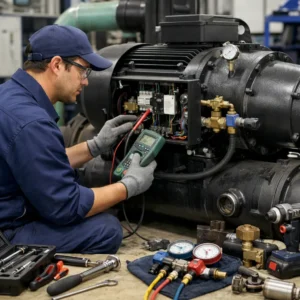
الصيانة الدورية هي أساس الصيانة الوقائية. وتشمل الصيانة ما يلي: فحص حالة تشغيل الضاغط، بما في ذلك مستوى الزيت وجودة الزيت وعزل المحرك؛ وفحص شحنة غاز التبريد والتسريبات لضمان إحكام إغلاق النظام؛ وتنظيف المكثف والمبخر لضمان كفاءة التبادل الحراري؛ وفحص جودة مياه التبريد ومعدل التدفق لضمان التشغيل الطبيعي لنظام تدوير المياه؛ وفحص تقادم التوصيلات والمكونات الكهربائية لضمان سلامة النظام الكهربائي.
2. المراقبة الرقمية والصيانة التنبؤية
تعد المراقبة الرقمية وسيلة مهمة للصيانة الصناعية الحديثة. تُستخدم أجهزة الاستشعار وأجهزة التحكم لمراقبة معلمات تشغيل المعدات في الوقت الفعلي، مثل درجة الحرارة والضغط ومعدل التدفق. تُستخدم أدوات تحليل البيانات لتحليل بيانات المراقبة والتنبؤ بأعطال المعدات المحتملة. واستنادًا إلى نتائج تحليل البيانات، يتم ترتيب خطط الصيانة مسبقًا لتجنب الأعطال المفاجئة للمعدات.
3. دعم الخدمات المهنية
يعد دعم الخدمة الاحترافية ضمانة مهمة لضمان التشغيل المستقر طويل الأجل للمعدات. تتم دعوة الفنيين المحترفين بانتظام لإجراء تشخيص شامل للمعدات لتحديد المشاكل المحتملة. يتم توفير التدريب الفني للمشغلين وموظفي الصيانة لتحسين مهاراتهم المهنية. يتم إنشاء مخزون من قطع الغيار لضمان استبدال المكونات الحرجة في الوقت المناسب.
Ⅴ. الخاتمة
صيانة المبردات الصناعية يحتاج إلى خطة كاملة. علينا فحص الضاغط، والمبرد، والمبادل الحراري، ونظام المياه، والأنظمة الكهربائية وأنظمة التحكم. يمكن أن تقلل الإصلاحات السريعة والعناية الوقائية من الأعطال. كما أنها تجعل المعدات تعمل بشكل أفضل وتدوم لفترة أطول. تضمن المواظبة على الصيانة ثبات الإنتاج وخفض التكاليف. لذا، فإن الاستثمار في الصيانة الوقائية هو مفتاح تشغيل المبردات الصناعية بشكل جيد.

 Arabic
  English
  Spanish
  Russian
  Portuguese
  French
  Japanese
  German