
Plastic bottles are one of those everyday items that quietly pile up faster than expected. A kitchen bin, office recycling box, or warehouse collection area can start looking crowded pretty quickly, and that is usually when كيفية سحق الزجاجات البلاستيكية becomes more than a random cleanup idea. It sounds simple, and in a way it is, but the best method depends on what happens next — recycling, storage, transport, or disposal.
There is also a small but important detail people tend to overlook: crushing helps reduce volume, but it should not create problems for sorting or recycling later. So the goal is not just “make it smaller.” It is “make it smaller in a way that still works.”
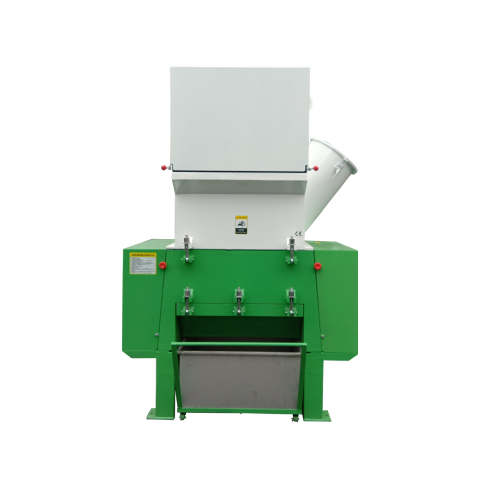
How to Crush Plastic Bottles the Right Way
The basic process is straightforward. Empty the bottle first, then reduce the air inside, and flatten it with controlled pressure. That sounds almost too easy, but bottles have a habit of springing back if they are not handled correctly.
For most household uses, the process usually looks like this:
Remove any leftover liquid
Check whether the cap should stay on or be removed
Press air out of the bottle
Flatten it firmly
Store it neatly for recycling or disposal
Some bottles crush cleanly by hand. Others need a bit more force, and a few resist more than they should. It depends on the plastic type, the bottle shape, and whether the container still has pressure inside.
Empty and Prepare the Bottle
Before crushing, make sure the bottle is fully empty. Even a small amount of liquid can make it harder to flatten, and it tends to create a mess later. If the bottle held anything other than water, local recycling rules may matter more than usual.
A quick prep checklist:
Remove leftover liquid
Rinse if needed
Check labels and caps
Keep bottles dry when possible
Some recycling programs prefer caps left on, while others do not. That detail varies more than people expect, which is a little annoying, but still worth checking.
Flatten It by Hand
For small amounts, hand crushing is usually enough. Press the bottle from the middle, twist slightly, and push out the air. The bottle should fold into a flatter shape rather than a tight ball. That helps it stay manageable and usually makes storage simpler.
This method works best for:
Home recycling bins
Office break rooms
Small-volume collection
It is not fancy, but it is practical.
How to Crush Plastic Bottles for Larger Volumes
When the number of bottles grows, hand crushing starts to feel slow. That is where mechanical solutions make more sense. In many facilities, a كسارة بلاستيك can reduce the workload and create more consistent results.
These machines are often used in places that handle repeat bottle waste, such as:
Recycling centers
Beverage production facilities
Warehouses
Waste sorting stations
A machine does not just save time. It also helps create a more uniform output, which can matter when materials are being transported or processed further down the line.
Some operations prefer a side plastic crusher because the feeding position can fit certain layouts better. That may sound minor, but in daily use, small design choices often make a noticeable difference.
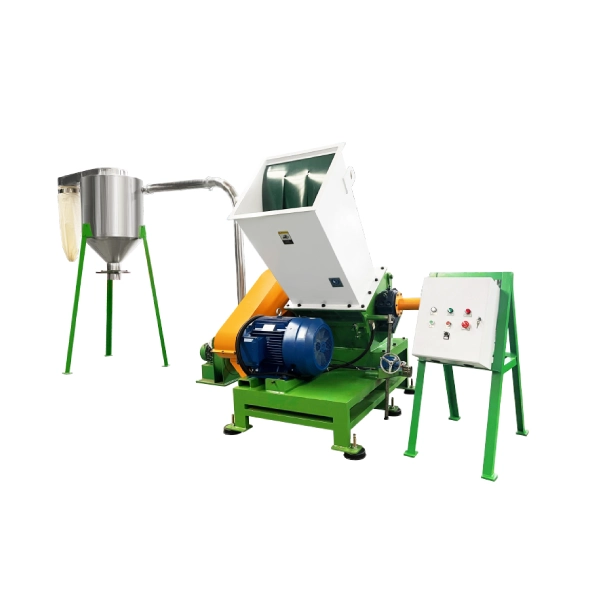
Side Opening Designs Can Feel Easier
A side opening plastic crusher is often chosen when loading convenience matters. The side access can make the operation feel more natural, especially where bottles are handled in batches. It is one of those features that does not sound dramatic on paper, but in real work environments it can reduce awkward lifting and improve flow.
Benefits of Crushing Plastic Bottles
Main advantages
| Benefit | ما أهمية ذلك |
|---|---|
Less storage space | Bottles take up less room in bins and bags |
Easier transport | More material can fit into one load |
Cleaner collection areas | Overflow is less likely |
Better handling | Bottles are easier to stack, store, and sort |
There is also a practical side to this that is easy to miss. A neat collection area often encourages better sorting habits. Once bottles are compacted, the waste stream feels less chaotic. That sounds minor, but it matters more than it seems.
When a Machine Makes More Sense
Manual crushing is fine for small numbers, but repeated handling gets tiring fast. That is usually the point where a crusher becomes worthwhile. If bottles are being processed every day, the time saved can add up quickly.
A machine may be the better choice when:
Bottle volume is high
Staff need faster processing
Storage space is limited
Consistent output is important
In these cases, a dedicated crusher is not just a convenience. It becomes part of the workflow.
إن plastic bottle crusher category is often the starting point for businesses looking at higher-volume handling, while a side plastic crusher may suit operations that need easier access and faster loading.
الأسئلة الشائعة
Can plastic bottles be crushed before recycling?
Yes, in many recycling programs they can. But not everywhere. Some systems prefer bottles left whole so sorting equipment can identify them more easily.
Should the cap stay on or come off?
That depends on local recycling instructions. In some places caps stay on; in others they should be removed. It is one of those details that varies by region.
Are crushed bottles harder to sort later?
They can be, if they are compacted too much or mixed with other waste. The best approach is usually to crush just enough to save space without making the bottle unusable for sorting.

 Arabic
  English
  Spanish
  Russian
  Portuguese
  French
  Japanese
  German