
غالبًا ما تبدو إدارة متطلبات التبريد لمنشأة متنامية مثل محاولة التنبؤ بالطقس - وهو أمر شبه مستحيل وعرضة للتغيرات المفاجئة. بالنسبة للعديد من مديري المصانع والمهندسين، فإن النهج التقليدي ينطوي على الإفراط في تحديد مواصفات مبرد صناعي ضخم أحادي الوحدة “لحماية الموقع في المستقبل”، فقط ليدركوا أنهم يهدرون الطاقة على آلة تعمل بطاقة 301 تيرابايت 3 تيرابايت خلال السنوات الخمس الأولى. وهنا يأتي دور مبرد وحدات تبريد الهواء المبرد بالهواء قد غيرت تمامًا قصة التحكم في المناخ الصناعي.
من خلال تقسيم حمل التبريد إلى كتل أصغر مترابطة، توفر هذه الأنظمة مستوى من قابلية التوسع لا يمكن لآلات الدائرة الواحدة أن تضاهيها. إنه حل أنيق لمشكلة فوضوية: كيفية النمو دون تمزيق البنية التحتية بأكملها في كل مرة تضيف فيها خط إنتاج جديد.
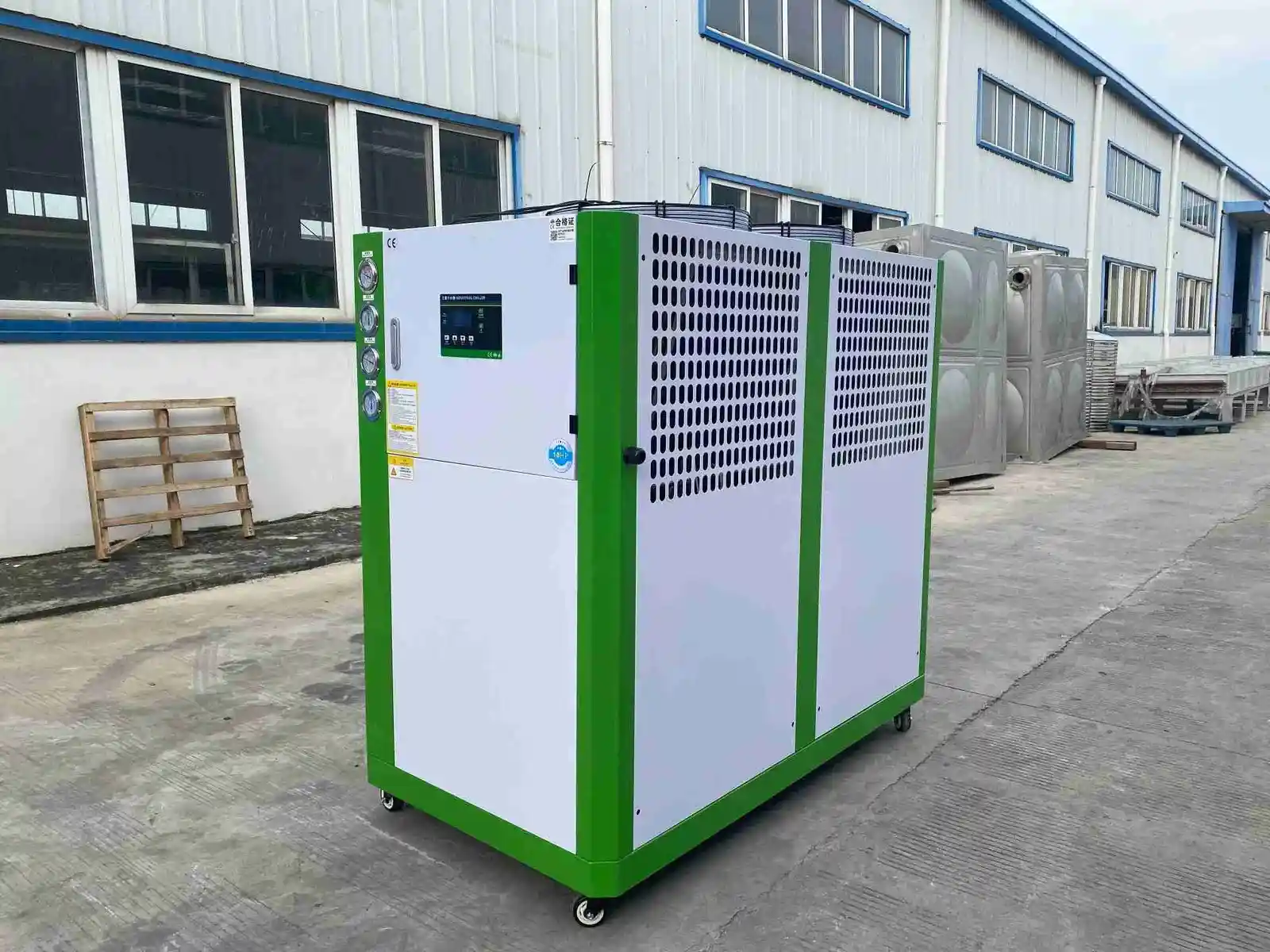
مفهوم التبريد "التوصيل والتشغيل"
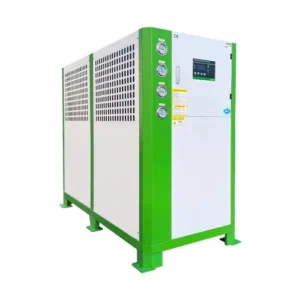
يكمن جمال الوحدات النمطية في بساطتها المتأصلة. تخيل مجموعة ليغو للآلات الثقيلة. عادةً ما يبدأ إعداد مبرد الهواء المبرد بالهواء المعياري بوحدة تحكم رئيسية ووحدة أو وحدتين. وكلما زاد الحمل الحراري - ربما بسبب توسعة المصنع أو زيادة كثافة الخادم - يتم إدخال وحدات إضافية.
على عكس المبردات الضخمة المبردة بالهواء التي تتطلب رافعة وإيقاف تشغيل النظام بالكامل لاستبدالها، تم تصميم الوحدات المعيارية لتتم إضافتها بالتوازي. ويعني هذا النمو التدريجي أنه يمكن توزيع النفقات الرأسمالية (CAPEX) على مدار سنوات بدلاً من تحميلها مقدمًا في فاتورة واحدة كبيرة مرعبة.
الفوائد الرئيسية لتوسيع نطاق النمطية:
بصمة مخفضة: صُممت معظم الوحدات بمظهر رأسي نحيف، مما يسمح لها بالتناسب مع المساحات الضيقة أو من خلال المداخل القياسية.
التكرار N+1 إذا احتاجت إحدى الوحدات إلى صيانة، فإن الوحدات الأخرى تتولى الصيانة. لا يتوقف النظام عن العمل.
كفاءة الطاقة: يتم تشغيل العدد اللازم فقط من الضواغط لتلبية الحمل الحالي، وهو أكثر كفاءة بكثير من مبرد المياه الصناعي الكبير الذي يعمل بالدوران وإيقاف التشغيل.
مقارنة المبردات التقليدية مقابل مبردات تبريد الهواء المعيارية
لفهم السبب الحقيقي وراء تحول الصناعة نحو النمطية، يجب على المرء أن ينظر إلى العقبات اللوجستية للتبريد التقليدي. معيار مبرد صناعي غالبًا ما يكون الإعداد تركيبًا “ثابتًا”. فبمجرد تركيبه، تكون سعته ثابتة.
| الميزة | مبرد تقليدي كبير الحجم | مبرد الهواء المبرد بالهواء المعياري |
|---|---|---|
| الاستثمار المبدئي | مرتفع (الشراء للاحتياجات المستقبلية) | منخفض (الشراء للاحتياجات الحالية) |
| التركيب | معقدة؛ وغالباً ما تتطلب تجهيزات ثقيلة | مبسطة؛ الوحدات المضافة حسب الحاجة |
| التكرار | يتطلب وحدة ثانية مطابقة | مدمج عبر وحدات متعددة أصغر حجماً |
| الصيانة | غالبًا ما يتطلب إيقاف تشغيل النظام بالكامل | عزل انتقائي للوحدات النمطية |
| التوسعة | يتطلب الاستبدال الكامل/النظام الجديد | إضافة "التوصيل والتشغيل" |
هندسة التوسعة: كيف يعمل المنطق
لا يتعلق الأمر فقط بتثبيت صندوق جديد على الأرض. إن “دماغ” نظام التبريد المبرد بالهواء المعياري هو ما يجعل توسيع السعة سلسًا. تم تصميم وحدات التحكم الحديثة للتعرف على العقد الجديدة على الشبكة تلقائيًا. عندما تتم إضافة وحدة مبرد هواء صناعية ثالثة أو رابعة إلى الحلقة، تقوم وحدة التحكم الرئيسية بإعادة توزيع ساعات التشغيل على جميع الضواغط.
وهذا يؤدي إلى موازنة “التأخر في العمل”. بشكل أساسي، يضمن النظام أن الوحدة الأحدث لا تقوم بكل العمل، بينما تظل الوحدات الأقدم خاملة. إنه يشبه إلى حد ما فريق ترحيل مُدار بشكل جيد حيث يتناوب الجميع للبقاء منتعشاً. وهذا يمنع التآكل السابق لأوانه في أي وحدة واحدة، وهو ما يمثل مشكلة شائعة في نماذج مبردات المياه الصناعية القديمة.
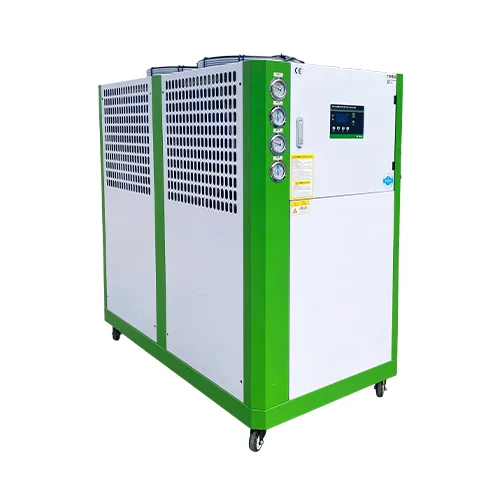
اعتبارات الأنابيب والتدفق
عند التخطيط للتوسع المستقبلي، غالبًا ما يقوم المهندسون الأذكياء “بتوصيل أنبوب رأس أولي”. فمن خلال تركيب أنبوب رأس قادر على التعامل مع 500 طن من التدفق حتى لو بدأوا بـ 100 طن فقط، تصبح إضافة وحدة التبريد المبرد بالهواء التالية مسألة بسيطة لتوصيل صمامين. يتعلق الأمر ببناء الهيكل العظمي اليوم حتى يمكن إضافة العضلات غدًا.
تطبيقات العالم الحقيقي: عندما تكون قابلية التوسع مهمة
ترى هذا في أغلب الأحيان في الصناعات ذات النمو المتقلب. مراكز البيانات هي المثال الكلاسيكي. قد يبدأون بنصف طابق من الخوادم، ولكن في غضون ثمانية عشر شهرًا، يملأون المبنى. يسمح لهم مبرد تبريد الهواء المعياري بتوسيع نطاق التبريد بالتوازي مع رفوف الخوادم الخاصة بهم.
تستفيد معالجة الأغذية والمشروبات أيضًا بشكل كبير. قد يبدأ مصنع الجعة الحرفية صغيرًا، ولكن مع إضافة المزيد من خزانات التخمير، تزداد حاجته إلى مبرد هواء صناعي. فبدلاً من شراء مبرد جديد كل عامين، فإنهم ببساطة يضعون وحدة أخرى في الخط. إنه نهج عملي لعمل لا يمكن التنبؤ به بطبيعته.
الأثر البيئي للنمو المتزايد
هناك أيضًا جانب “أخضر” لهذا الأمر. نظرًا لأنك لا تقوم بتشغيل نظام مبردات مياه صناعية سعة 500 طن للتعامل مع حمولة 100 طن، فإن البصمة الكربونية تكون أقل بكثير خلال السنوات الأولى للمشروع. فأنت تستخدم فقط الكهرباء التي تحتاجها.
العوائق الشائعة في المبردات المبردة بالهواء المبرد بالهيدروجين التمدد
في حين أن النمطية رائعة، إلا أنها ليست سحراً. هناك أشياء يجب الحذر منها. على سبيل المثال، إذا لم يكن حجم المضخة الأساسية مناسبًا لسعة الحالة النهائية النهائية، فقد تجد نفسك تستبدل المضخات حتى لو لم تكن تستبدل المبردات.
وعلاوة على ذلك، فإن التباعد المادي بين الوحدات أمر بالغ الأهمية لتدفق الهواء. يحتاج المبرد المبرد المبرد بالهواء إلى التنفس. إذا قمت بحشر عدد كبير جدًا من الوحدات في ممر ضيق لتوفير المساحة، فقد يتم امتصاص الحرارة التي ترفضها إحدى الوحدات من قبل الوحدة التالية، مما يؤدي إلى قتل الكفاءة. من الأفضل دائمًا ترك “مساحة تنفس” أكثر قليلاً مما يقترحه الدليل.
إذا كنت تريد معرفة المزيد عن المبرد الهوائي المعياري المبرد بالهواء، يُرجى قراءة ما هو المبرد الهوائي المعياري المبرد بالهواء؟
الأسئلة الشائعة
هل يمكنني المزج بين أنواع مختلفة من الوحدات عند زيادة سعة التبريد؟
بشكل عام، لا يوصى بذلك. على الرغم من أن السباكة قد تكون متوافقة، إلا أن بروتوكولات الاتصال بين وحدة التحكم الرئيسية ووحدات التبريد المبردة بالهواء المعيارية الفردية عادة ما تكون مملوكة. غالبًا ما يؤدي خلط العلامات التجارية إلى نظام “غبي” حيث لا يمكن للوحدات التحدث مع بعضها البعض لموازنة الحمل بشكل فعال.
هل تؤدي إضافة المزيد من الوحدات إلى زيادة مستوى الضوضاء بشكل كبير؟
في حين أن المزيد من المراوح تعني عمومًا المزيد من الصوت، إلا أن الأنظمة المعيارية غالبًا ما تستخدم مراوح أصغر حجمًا وعالية الكفاءة مع محركات متغيرة التردد (VFDs). في كثير من الحالات، تكون العديد من الوحدات المعيارية التي تعمل بحمل جزئي أكثر هدوءًا من مبرد هواء صناعي ضخم واحد يعمل بكامل طاقته، حيث أن ترددات الصوت تكون أكثر تشتتًا.
هل يمكن تحويل نظام تبريد الماء القياسي إلى نظام تبريد هواء معياري؟
هذا ممكن، ولكنه يتطلب إعادة تفكير كبيرة في الأنابيب. سوف تنتقل من إعداد برج التبريد/المبرد إلى مبرد مياه صناعي مستقل يقوم برفض الحرارة مباشرة إلى الهواء. وتتمثل الفائدة الرئيسية هنا في التخلص من تكاليف معالجة المياه وصيانة برج التبريد، وهو ما تجده العديد من المنشآت يستحق الانتقال.

 Arabic
  English
  Spanish
  Russian
  Portuguese
  French
  Japanese
  German