
ادخل إلى أي منشأة جادة لإعادة التدوير أو مصنع قولبة بالحقن على نطاق واسع، وسوف تسمعه قبل أن تراه. إنه صوت طحن إيقاعي منخفض ومنتظم، يختلف عن صوت الأنين عالي النبرة لآلة التحبيب. هذا هو صوت آلة تقطيع البلاستيك ذات العمود الواحد التي تقوم بأفضل ما تقوم به: أخذ قطع ضخمة من المواد التي يستحيل التعامل معها وتقليلها إلى رقائق يمكن التحكم فيها.
ويلاحظ في كثير من الأحيان أنه في حين أن آلات التحبيب تحصل على المجد لصنع الكريات النهائية الموحدة، فإن الرفع الثقيل - التدمير الأولي الوحشي - عادة ما يكون مهمة الماكينة أحادية العمود. ولكن ما الذي يحدث بالضبط داخل هذا الصندوق الفولاذي؟ إنه ليس مجرد شفرة دوارة؛ إنه جهد منسق بين المكونات الهيدروليكية وعزم الدوران والمقاومة.
Ⅰ. الميكانيكا الأساسية: كيف تعمل في الواقع
على عكس الأنواع الأخرى من آلات الاختزال التي تعتمد على السرعة العالية، فإن آلة تقطيع البلاستيك أحادية المحور يعتمد على شيء آخر تماماً: عزم الدوران والضغط.
يبدو المفهوم بسيطاً بما فيه الكفاية. لديك دوّار - أسطوانة فولاذية كبيرة مغطاة بسكاكين مربعة. يدور هذا الدوار بسرعة منخفضة نسبيًا. لكن الدوّار وحده لن يفعل الكثير إذا قمت برمي كتلة بلاستيكية عليه؛ سترتد الكتلة فقط. وهنا يأتي دور “الدافع”.
1. دور الكبش الهيدروليكي
هذه هي الخلطة السرية. يوجد في القادوس كبش هيدروليكي (يُطلق عليه غالبًا اسم الدافع) يتحرك ذهابًا وإيابًا. إنها ليست سريعة، ولكنها لا هوادة فيها. فهو يمسك بالمادة - سواءً كانت رقاقة تطهير كثيفة أو أنبوب بلاستيكي سميك - ويدفعها إلى الأمام ضد الدوّار الدوّار.
“تشعر” الماكينة بالحمل. إذا واجهت ماكينة تقطيع البلاستيك أحادية العمود الكثير من المقاومة - على سبيل المثال، إذا كان البلاستيك صلبًا للغاية وارتفعت أمبيرية المحرك - فإن المكبس يتراجع تلقائيًا. تتوقف مؤقتًا، وتسمح للدوّار باستعادة سرعته، ثم تدفع مرة أخرى. إنها رقصة مستمرة من الضغط والتحرير. بدون هذه المساعدة الهيدروليكية، ستكون الماكينة عديمة الفائدة إلى حد كبير بالنسبة للمواد الصلبة الثقيلة.
2. آلة التقطيع البلاستيكية أحادية العمود مقابل آلة التقطيع البلاستيكية مزدوجة العمود: الخلط الشائع
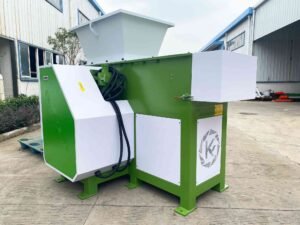
من الشائع بشكل مدهش أن يشتري مديرو المرافق الآلة الخطأ. فهم يرون “آلة تمزيق الورق” ويختارون واحدة فقط. ولكن هناك عدد هائل الفرق بين الكسارات العمودية. فهي وحوش مختلفة الأعباء.
في حين أن آلة التقطيع البلاستيكية ذات العمود المزدوج تستخدم عمودين متعاكسين في الدوران “لتمزيق” وقص المواد (فكر في الأمر مثل المقص القوي)، فإن آلة التقطيع البلاستيكية ذات العمود الواحد تعمل مثل مبشرة الجبن أو الطائرة. فهي تقوم بقص المواد.
Ⅱ. ماذا يمكنك إطعامه
إن شهية آلة تمزيق البلاستيك أحادية العمود مثيرة للإعجاب، وإن لم تكن بلا حدود. فهي مصممة خصيصًا للمواد التي توفر مقاومة عالية.
البلاستيك المطاطية هذه هي الكتل الصلبة من البلاستيك التي تخرج من الطارد أو القالب بالحقن أثناء بدء التشغيل أو تغير اللون. إنها صلبة كالصخر. قد تتحطم آلة التحبيب إذا ألقيت بواحدة منها، ولكن الماكينة ذات العمود الواحد تأكلها ببطء.
الخشب والورق: من المثير للدهشة أن هذه الماكينات تتعامل مع المنصات ولفائف الورق بشكل جيد للغاية، على الرغم من أن تكوين السكين قد يحتاج إلى تعديل.
ومع ذلك، تجدر الإشارة إلى أن الأغشية الرقيقة المرنة (مثل الغلاف المتقلص) يمكن أن تكون في بعض الأحيان مصدر إزعاج. ما لم يتم ضبط الماكينة خصيصًا لذلك، يميل الغشاء إلى الالتفاف حول الدوار، مما يخلق فوضى يكره المشغلون إزالتها.
Ⅲ. المراوغات التشغيلية والصيانة
إن امتلاك آلة تمزيق بلاستيك ذات عمود واحد هو التزام نوعًا ما. فهي ليست قطعة من المعدات التي يمكن ضبطها ونسيانها.
عادة ما تكون السكاكين، وهي عادةً قطع مربعة من الفولاذ المقوى، مثبتة بمسامير. ويكمن جمال التصميم المربع في أنه عندما تصبح إحدى الحواف باهتة (وستصبح كذلك)، يمكن لطاقم الصيانة ببساطة تدوير السكين 90 درجة إلى حافة جديدة. يمكنك الحصول على أربع حيوات من سكين واحد قبل أن تحتاج إلى استبدالها أو إعادة طحنها بشكل جدي.
1. عامل الشاشة
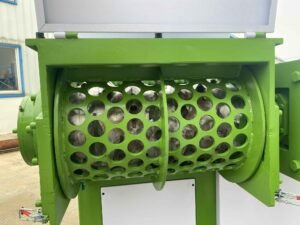
يوجد أسفل الدوار مصفاة معدنية ذات ثقوب. لا يغادر البلاستيك المقطّع حجرة التقطيع حتى يصبح صغيرًا بما يكفي ليسقط من خلال هذه الثقوب.
هنا يمكن أن تصبح الأمور صعبة. إذا كانت الثقوب صغيرة جدًا، تعمل الماكينة بجهد أكبر، وتتراكم الحرارة، وينخفض الإنتاج. إذا كانت الثقوب كبيرة جدًا، فستحصل على برادة عملاقة قد تتسبب في تشويش المعدات النهائية. غالبًا ما يكون العثور على التوازن الصحيح مسألة تجربة وخطأ للمواد المحددة التي تتم معالجتها.
Ⅳ. لماذا الاستثمار في واحدة؟
تقليل الحجم: النفايات تشغل مساحة. حاوية نفايات مليئة بالأنابيب المجوفة معظمها هواء. أما إذا تم تمزيقها، فإن نفس النفايات تتسع لجزء صغير من المساحة.
قيمة إعادة التدوير: لا يمكنك إذابة مصد السيارة. يجب تمزيقه، ثم تحبيبه، ثم غسله. آلة تمزيق البلاستيك أحادية العمود هي الخطوة الأولى والحاسمة في سلسلة قيمة إعادة التدوير.
استرداد العملية: بالنسبة للمصنعين، فإن استرداد الأجزاء أو الرفالات التالفة يعني توفير المال على المواد الخام.
أصبحت آلات التقطيع الحديثة أكثر ذكاءً. كان على المشغل أن يقف بجانب أدوات التحكم، ويراقب عداد الأمبير. والآن، تتعامل وحدات التحكم المنطقية القابلة للبرمجة (PLCs) مع استشعار الحمل. إذا انحشر الدوّار، تتوقف الماكينة وتعود للخلف لإزالة العائق، وتحاول مرة أخرى، كل ذلك دون تدخل بشري. وهذا يجعل العملية أكثر سلاسة، على الرغم من أنه لا يلغي الحاجة إلى الصيانة.
الخاتمة
ماكينة تقطيع البلاستيك أحادية العمود هي عمود تقطيع البلاستيك. فهي صاخبة وثقيلة وتعتمد على القوة الغاشمة المطبقة بذكاء من خلال المكونات الهيدروليكية. على الرغم من أنها قد لا تكون أسرع طريقة لتدمير المواد، إلا أنه يمكن القول إنها الطريقة الأكثر اتساقًا للتعامل مع النفايات البلاستيكية الثقيلة والصلبة التي تختنق بها الماكينات الأخرى.
بالنسبة لأي شركة تتطلع إلى إدارة النفايات أو استعادة المواد، فإن فهم الآليات المحددة لهذه الماكينة - وكيف تختلف عن نظيرتها ذات العمود المزدوج - هو الفرق بين التشغيل السلس وكابوس الصيانة.


 Arabic
  English
  Spanish
  Russian
  Portuguese
  French
  Japanese
  German