
Electronic products ship in a lot of foam. Televisions, monitors, refrigerators, washing machines — almost anything with a fragile surface or sharp corner gets packed in expanded polystyrene. It does the job well. The problem comes after unboxing, when that foam needs to go somewhere.
EPS is about 98% air by volume. It’s bulky, it doesn’t compress easily by hand, and most municipal recycling programs won’t take it. For businesses handling large volumes of electronic packaging waste — retailers, logistics companies, appliance distributors — the material piles up fast. An EPS granulator addresses this directly, reducing foam waste into a dense, manageable form that can actually be transported and recycled.
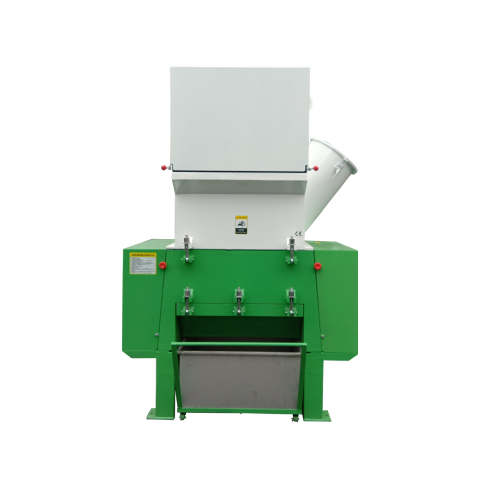
What an EPS Granulator Does with Electronic Packaging Waste
The core function of an EPS granulator is volume reduction. Electronic packaging foam, which might arrive as large molded inserts or irregular chunks, gets fed into the machine and comes out as either compressed blocks or small granules — depending on the type of granulator used.
That volume reduction is significant. Ratios of 50:1 are common with cold compaction; hot melt systems can achieve even higher densification. What was a truckload of loose foam becomes a fraction of that in processed form, which makes storage and transport to recycling facilities actually viable.
The output material — sometimes called EPS ingots, densified foam, or regrind — can be sold to manufacturers who use it in products like picture frames, skirting boards, or new packaging materials. The recycling chain only works, though, if the material is clean and consistently processed. That’s where equipment selection starts to matter quite a bit.
Types of EPS Granulator for Electronic Foam Processing
Cold Compactor
Cold compactors use mechanical pressure — typically a screw or hydraulic press — to compress EPS without applying heat. The foam is crushed and compacted into dense blocks or logs. This is probably the most widely used approach for electronic packaging waste because it’s energy-efficient, produces no fumes, and handles large volumes without much operational complexity.
Hot Melt Granulator
Hot melt systems apply heat to melt the EPS down into a solid ingot. Paired with a slow-speed side crusher for pre-shredding, the densification ratio is higher than cold compaction, and the output tends to be more uniform. The tradeoff is energy consumption and the need for ventilation, since melting polystyrene produces fumes that require proper extraction.
For facilities with high throughput and good ventilation infrastructure, this type of EPS granulator can make sense. For smaller operations, the added complexity often isn’t worth it.
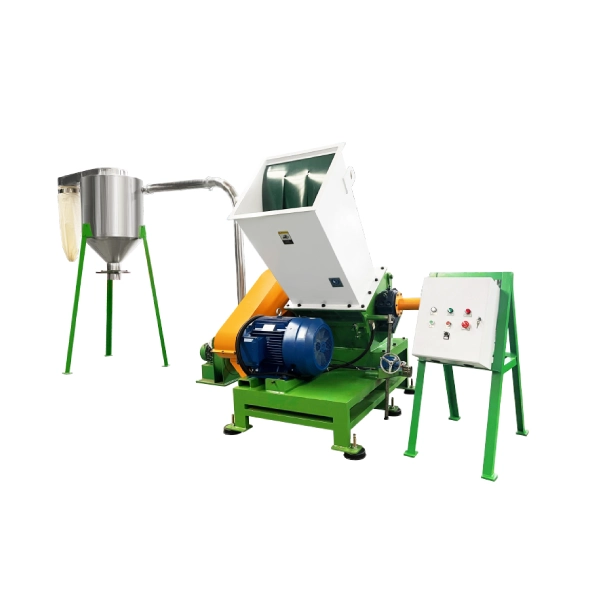
Screw-Type Granulator
Screw granulators use a rotating screw mechanism to both crush and compact the foam simultaneously. They tend to be more compact than dedicated cold compactors and work well in space-constrained environments. Output is typically in granule or pellet form rather than solid blocks, which some downstream processors actually prefer.
| Type | Densification Ratio | Heat Required | Best For |
|---|---|---|---|
Cold compactor | 30:1 to 50:1 | No | High-volume, general use |
Hot melt granulator | 80:1 to 90:1 | Yes | High throughput, clean foam |
Screw-type granulator | 30:1 to 60:1 | Partial | Space-limited operations |
Key Considerations
Choosing the right machine comes down to a few practical factors that are easy to underestimate before actually running the equipment:
Input volume — daily or weekly foam volume determines whether a compact unit or a continuous-feed industrial machine is appropriate.
Foam contamination — electronic packaging is usually clean, but tape residue, labels, and mixed materials affect output quality and blade wear.
Output format requirements — check what form downstream recyclers or buyers accept; some want blocks, others prefer granules or pellets.
FAQ
Is EPS from electronic packaging suitable for granulation without pre-sorting?
Generally yes, as long as obvious contaminants like tape, metal staples, or non-EPS inserts are removed first. Electronic packaging foam tends to be cleaner than post-consumer EPS, which makes it a relatively good input material. Mixed or heavily contaminated foam can cause output quality issues and accelerate wear on cutting components.
What happens to the output from an EPS granulator?
The densified material — whether blocks, ingots, or granules — is typically sold to plastic processors who reuse it in manufacturing. Common end products include decorative moldings, coat hangers, and lower-grade plastic lumber. Market prices for recycled EPS fluctuate, but there’s generally a buyer for clean, consistently processed material.
How much space does an EPS granulator require?
It depends on the type and capacity. Compact screw-type units can fit in a few square meters and work in a corner of a warehouse. Larger cold compactors or integrated lines with conveyors and baling systems need considerably more floor space — sometimes 20 square meters or more. Ceiling height matters too, especially for machines with vertical feed hoppers.

 English
  Spanish
  Russian
  Portuguese
  French
  Arabic
  Japanese
  German