
La plupart des gens jettent les bouteilles en plastique dans la poubelle de recyclage sans réfléchir. Techniquement, cela fonctionne. Mais les écraser d'abord - ne serait-ce qu'un peu, surtout avec un broyeur de plastique à ouverture latérale - peut faire une différence étonnamment importante, à la fois pour le stockage à la maison et pour le processus de recyclage en aval. Il s'agit d'une de ces petites habitudes qui ne demandent pas beaucoup d'efforts mais qui s'accumulent au fil du temps.
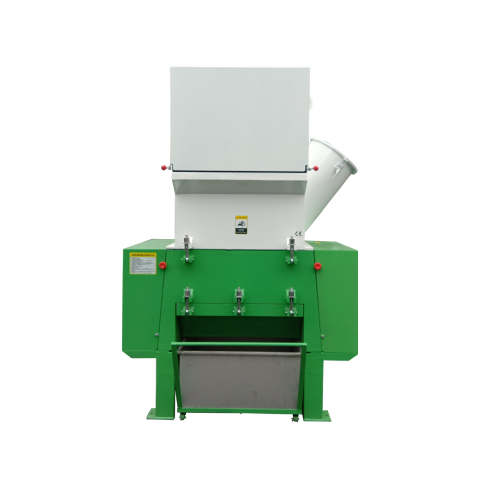
L'importance du broyage des bouteilles en plastique pour le recyclage
L'espace est la raison évidente. Une bouteille en plastique standard de 500 ml prend beaucoup de place dans une poubelle de recyclage lorsqu'elle est intacte. Si vous l'écrasez, le même bac peut contenir deux ou trois fois plus de bouteilles. Pour les ménages qui consomment beaucoup de boissons, c'est une raison suffisante.
Il y a aussi l'aspect logistique. Les camions de recyclage et les installations de tri traitent d'énormes volumes de matériaux. Les bouteilles broyées sont plus faciles à compacter, à transporter et à trier, ce qui réduit les coûts de manutention et, dans certains cas, améliore les taux de recyclage. La différence n'est pas spectaculaire au niveau individuel, mais elle est importante.
Une chose à noter : certains programmes de recyclage préfèrent que les bouteilles soient écrasées, tandis que d'autres demandent qu'elles restent intactes (pour que les équipements de tri automatisés puissent les identifier par leur forme). Il vaut la peine de vérifier les directives locales avant d'en faire une habitude régulière.
Comment broyer les bouteilles en plastique pour les recycler - Méthodes efficaces
Il n'y a pas une seule bonne façon de procéder. Cela dépend du nombre de bouteilles concernées, des outils dont on dispose et, honnêtement, de l'effort que l'on veut fournir.
Méthodes manuelles
L'approche la plus simple consiste à utiliser les mains ou les pieds. Dans le cas d'une bouteille PET standard - le type de bouteille utilisé pour l'eau ou les sodas -, le fait d'enlever le bouchon, d'expulser l'air, puis de tordre ou de taper du pied fonctionne assez bien. Ce n'est pas parfait, la bouteille a tendance à revenir un peu en arrière, mais cela réduit sensiblement le volume.
Quelques conseils pour le broyage manuel :
Retirez d'abord le bouchon pour permettre à l'air de s'échapper plus facilement.
Tourner la bouteille après l'avoir pressée pour l'aider à rester plate.
Taper du pied avec le talon plutôt qu'avec les orteils pour un meilleur effet de levier
Les bouteilles plus épaisses (comme certains contenants de jus de fruit) demandent plus de force - n'essayez pas de les aplatir parfaitement.
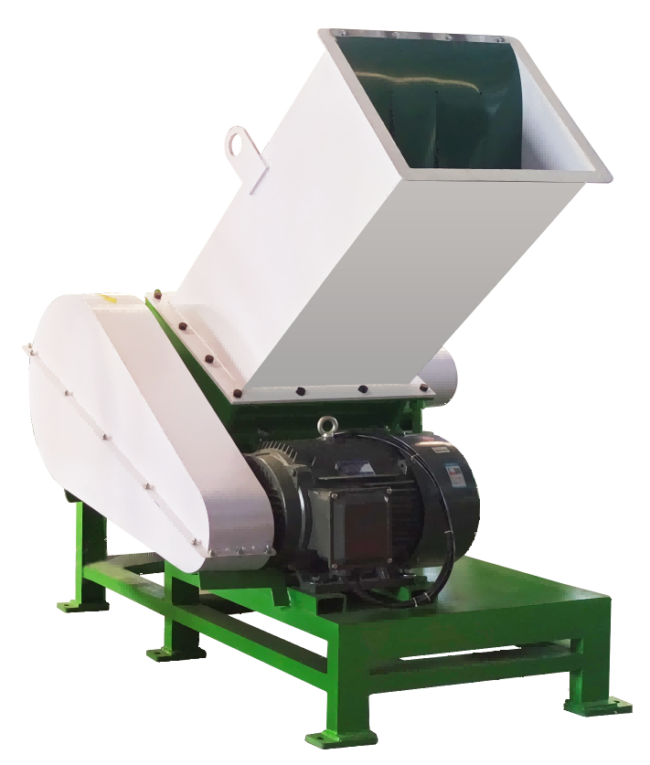
Utilisation d'un broyeur de bouteilles ou d'un compacteur mural
Pour ceux qui traitent des volumes plus importants - une famille qui consomme beaucoup de boissons en bouteille, ou un petit bureau - un broyeur de bouteilles dédié, tel qu'un concasseur en ligne, mérite d'être pris en considération. Il s'agit généralement d'appareils muraux qui utilisent un mécanisme de levier pour aplatir les bouteilles en un seul mouvement. Certains modèles traitent également les boîtes de conserve.
Les avantages sont la régularité et la rapidité. Un bon broyeur aplatit une bouteille en deux secondes environ, et le résultat est bien plus compact que ce que les méthodes manuelles permettent généralement d'obtenir.
| Méthode | Effort requis | Réduction du volume | Meilleur pour |
|---|---|---|---|
Pressage des mains | Faible-Moyen | Modéré | Usage occasionnel, bouteilles souples |
Taper du pied | Faible | Moyen-Bon | Rapide, sans outils |
Broyeur mural | Très faible | Excellent | Utilisation régulière, volume élevé |
Compacteur électrique | Minime | Excellent | Utilisation commerciale ou domestique intensive |
Quelques points à garder à l'esprit
Le broyage des bouteilles en plastique en vue de leur recyclage est une opération simple, mais il y a deux ou trois choses qui font trébucher les gens.
Bouchon ou décapsulage ? De nombreux programmes de recyclage acceptent désormais les bouteilles avec leur bouchon, mais pour le broyage, il est préférable d'enlever d'abord le bouchon pour faciliter le processus et éviter que la bouteille ne se remette en forme.
Ne mélangez pas les types de bouteilles. Les bouteilles en PET (transparentes, utilisées pour les boissons) s'écrasent facilement. Les bouteilles en PEHD (plus épaisses, utilisées pour les détergents ou le lait) sont plus difficiles à aplatir manuellement et peuvent nécessiter un broyeur.
Rincez avant d'écraser. Les restes de liquide peuvent faire des dégâts, surtout si la bouteille est comprimée rapidement. Un rinçage rapide en dix secondes permet d'éviter ce problème.
Vérifiez les règles locales. Certaines municipalités trient les déchets en fonction de leur forme, ce qui signifie que les bouteilles écrasées peuvent être signalées à l'installation. Une vérification rapide des directives locales en matière de recyclage est toujours une bonne idée.
FAQ
L'écrasement des bouteilles en plastique en vue de leur recyclage est-il réellement utile ou s'agit-il simplement d'une habitude ?
Il contribue véritablement à l'efficacité du stockage et du transport. Les bouteilles broyées prennent moins de place dans les bennes et les camions, ce qui réduit la fréquence des collectes et les coûts de manutention dans les centres de tri.
Faut-il laisser le bouchon ou l'enlever lorsqu'on écrase des bouteilles en plastique ?
Le fait d'enlever le bouchon facilite l'écrasement et empêche la bouteille de se regonfler. Cela dit, de nombreux programmes de recyclage acceptent désormais les bouteilles capsulées - il est toujours plus prudent de vérifier les directives locales.
Quel est le meilleur outil pour écraser un grand nombre de bouteilles en plastique à la maison ?
Un broyeur à levier mural fait l'affaire pour la plupart des ménages. Il est rapide, régulier et ne demande pas beaucoup d'efforts physiques par rapport à un broyage manuel.

 French
  English
  Spanish
  Russian
  Portuguese
  Arabic
  Japanese
  German