
Plastic film is one of the more awkward materials to recycle. It’s lightweight, it tangles, it wraps around machinery, and it doesn’t compact well without some kind of size reduction first. That’s where a plastic film crusher comes in — not as a glamorous piece of equipment, but as a genuinely necessary one in any serious film regrinding operation.
The basic idea is straightforward: take film waste that’s too bulky or inconsistent to feed directly into a granulator or extruder, and reduce it to a manageable, uniform particle size. The output — usually called regrind — can then be fed into downstream processing equipment without causing jams, uneven melting, or output quality issues.
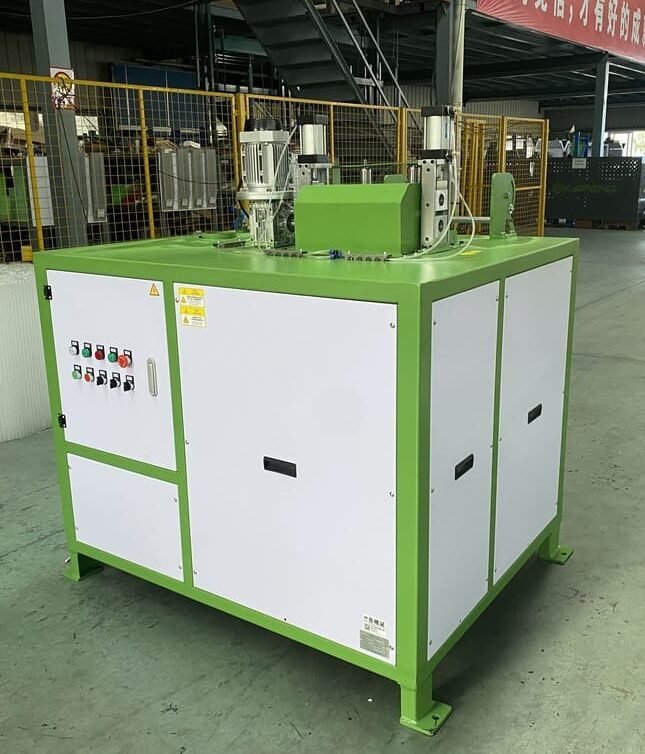
How a Plastic Film Crusher Fits Into the Regrinding Process
Most recycling lines for plastic film don’t start with a granulator. They start with some form of size reduction, and the plastic film crusher is typically that first stage. Film coming off a production line, from agricultural use, or from post-consumer collection tends to arrive in large rolls, bales, or loose tangles. None of that feeds cleanly into a pelletizing extruder.
The crusher breaks the material down into smaller, more consistent pieces — flakes or strips, depending on the machine type and screen size. From there, the regrind moves to washing (if contamination is present), drying, and eventually pelletizing or direct reuse in manufacturing.
It’s worth noting that the quality of the regrind coming out of the crusher has a direct effect on everything downstream. Inconsistent particle sizes cause uneven feeding. Oversized pieces can jam screens or damage extruder screws. Getting this stage right matters more than it might seem at first.
Types of Plastic Film Crusher Used in Film Regrinding
Single-Shaft Crusher
The single-shaft design uses a rotating blade shaft working against fixed counter-blades. It’s the most common configuration for plastic film recycling — relatively simple, easy to maintain, and effective for most film types including PE, PP, and stretch wrap. Screen size controls the output particle size, which is useful when the downstream process has specific requirements.
Double-Shaft Shredder
Two counter-rotating shafts tear the material apart rather than cutting it. As a typical broyeur latéral à vitesse moyenne, this design handles thicker or more tangled film better than a single-shaft machine, and it’s less prone to jamming when the input is inconsistent. The tradeoff is that output particle size is less uniform, which can be a problem if tight tolerances are needed further down the line.
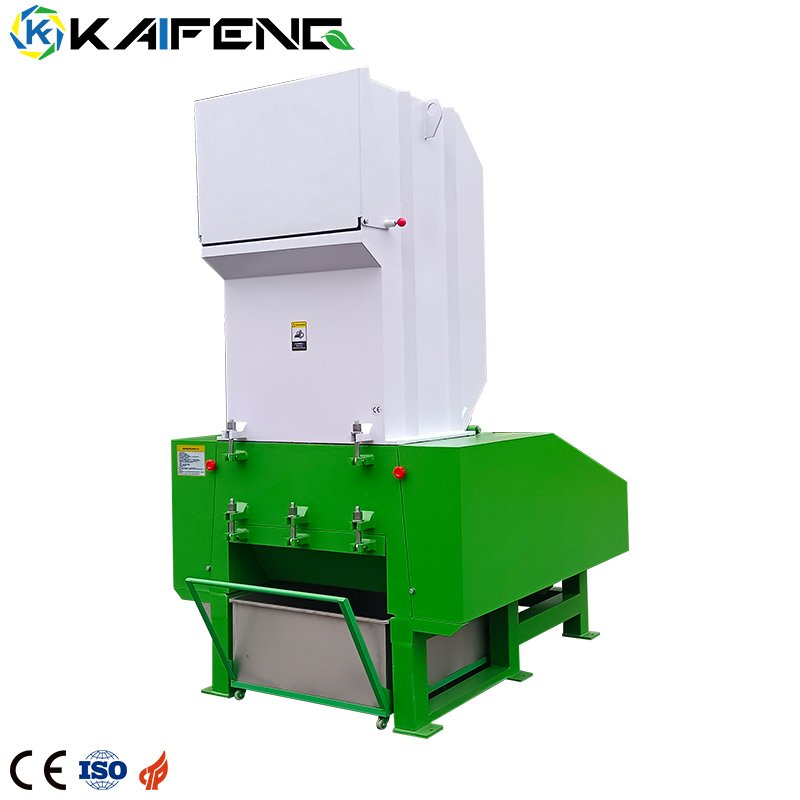
Granulator with Film Feeding System
Some operations skip a separate crusher and use a granulator fitted with a specialized film-feeding mechanism — typically a forced-feed roller that pushes film into the cutting chamber without letting it wrap around the rotor. This works well for clean, consistent film but tends to struggle with heavily contaminated or tangled material.
| Type | Meilleur pour | Output Uniformity | Jam Resistance |
|---|---|---|---|
Single-shaft crusher | Standard PE/PP film, rolls, bales | Haut | Modéré |
Broyeur à double arbre | Tangled or mixed film, thick material | Modéré | Haut |
Granulator with film feed | Clean, consistent film from production | Haut | Faible à modéré |
What to Look for When Choosing a Plastic Film Crusher
A few factors tend to separate machines that work well in practice from ones that look good on a spec sheet:
Rotor and blade design — open rotors resist film wrapping better than closed ones; blade geometry affects both cut quality and wear rate.
Screen configuration — interchangeable screens give flexibility to adjust output size for different downstream requirements.
Feeding method — gravity feeding works for loose film; forced-feed rollers are better for rolls or bales that need to be pulled into the cutting chamber.
FAQ
What’s the difference between a plastic film crusher and a granulator?
A crusher is primarily a size-reduction machine — it breaks film into smaller pieces without necessarily producing a uniform pellet. A granulator cuts material into more consistent particles and is usually positioned later in the recycling line, after initial size reduction and washing. The two are sometimes confused, but they serve different stages.
Can a plastic film crusher handle wet or contaminated film?
Some can, but it depends on the design. Machines with stainless steel components and drainage provisions handle wet film better. Heavily contaminated film — soil, adhesives, labels — tends to accelerate blade wear and may require pre-cleaning before the crushing stage to avoid quality issues downstream.
How often do blades need replacing on a plastic film crusher?
It varies with material type, throughput, and blade quality. In continuous operation processing abrasive or contaminated film, blade sets might need attention every few weeks. With cleaner material and lower volumes, the same blades can last several months.

 French
  English
  Spanish
  Russian
  Portuguese
  Arabic
  Japanese
  German