
Selecting heavy machinery is rarely a straightforward task. It is often a journey filled with technical jargon, varying price points, and the high-stakes pressure of ensuring production lines stay cool. When the time comes to source a new cooling system, the focus naturally shifts toward finding a reputable air cooled chiller manufacturer. It’s not just about buying a box that blows cold air; it’s about establishing a relationship with a partner who understands that downtime is the ultimate enemy of profitability.
There is an interesting observation to be made here: many facilities treat the purchase of an industrial chiller as a one-time transaction. However, the reality of factory floor operations suggests that the manufacturer’s identity matters just as much as the machine’s specifications.
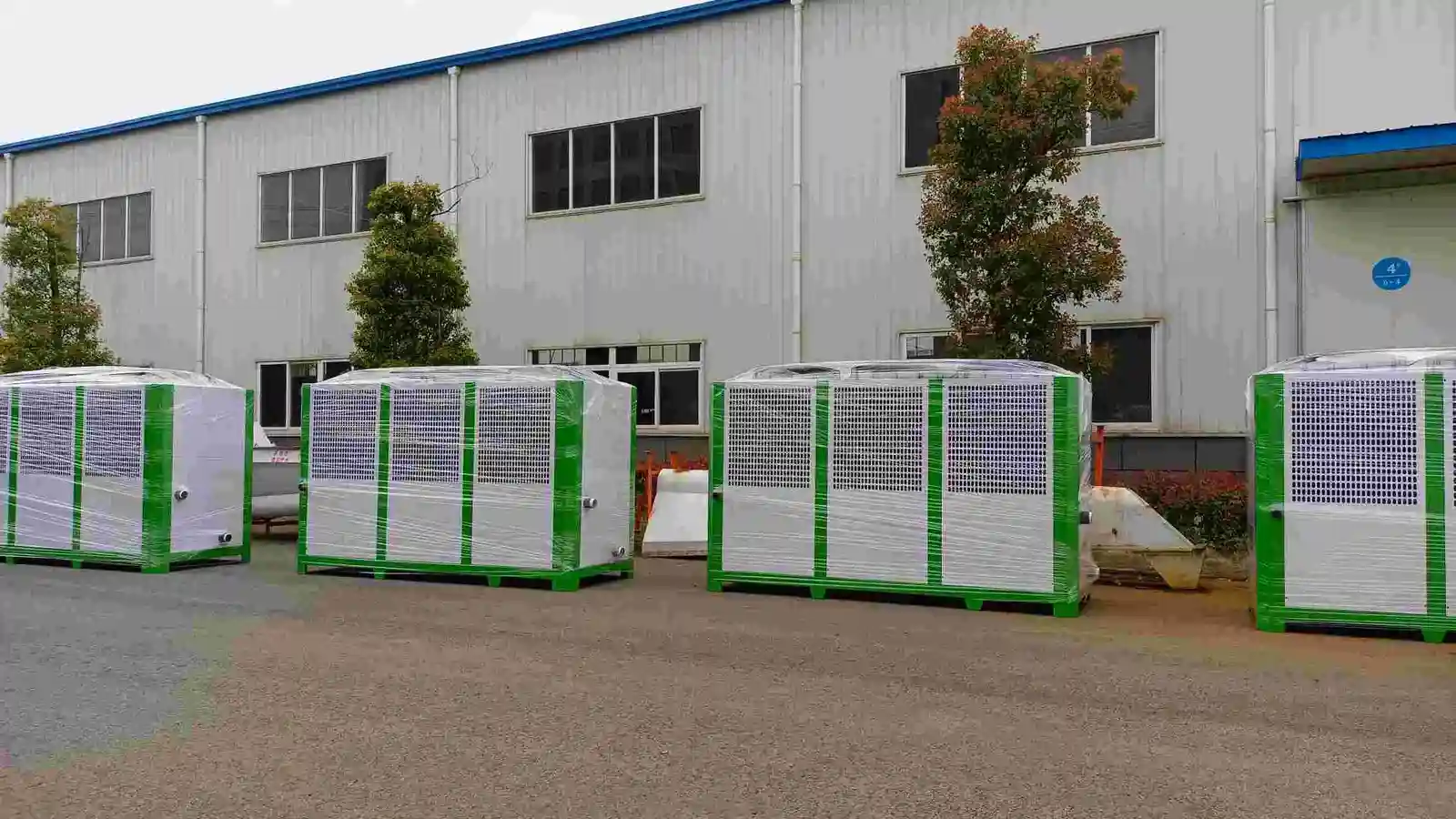
Identifying the Hallmarks of a Reliable Air Cooled Chiller Manufacturer
Assessing Factory Certifications and Testing Standards
One might assume that all machines leaving a factory are tested equally, but that isn’t always the case. A top-tier air cooled chiller manufacturer will have rigorous “run-testing” protocols.
- ISO 9001 Compliance: This ensures a baseline of quality management.
- CE or UL Certification: Crucial for safety and electrical standards depending on the region.
- Full-Load Testing: Does the manufacturer test the unit at its maximum capacity before shipping?
- Vibration Analysis: Ensuring that the fans and compressors are balanced to prevent premature wear.
Technical Versatility and Product Range
A manufacturer that only offers one or two “cookie-cutter” models might not be the best fit for complex industrial needs. The world of industrial water coolers and air-cooled units is diverse. A shop that understands the nuances between different cooling technologies is usually better equipped to provide advice rather than just a sales pitch.
Customization Capabilities: Does Your Air Cooled Chiller Manufacturer Measure Up?
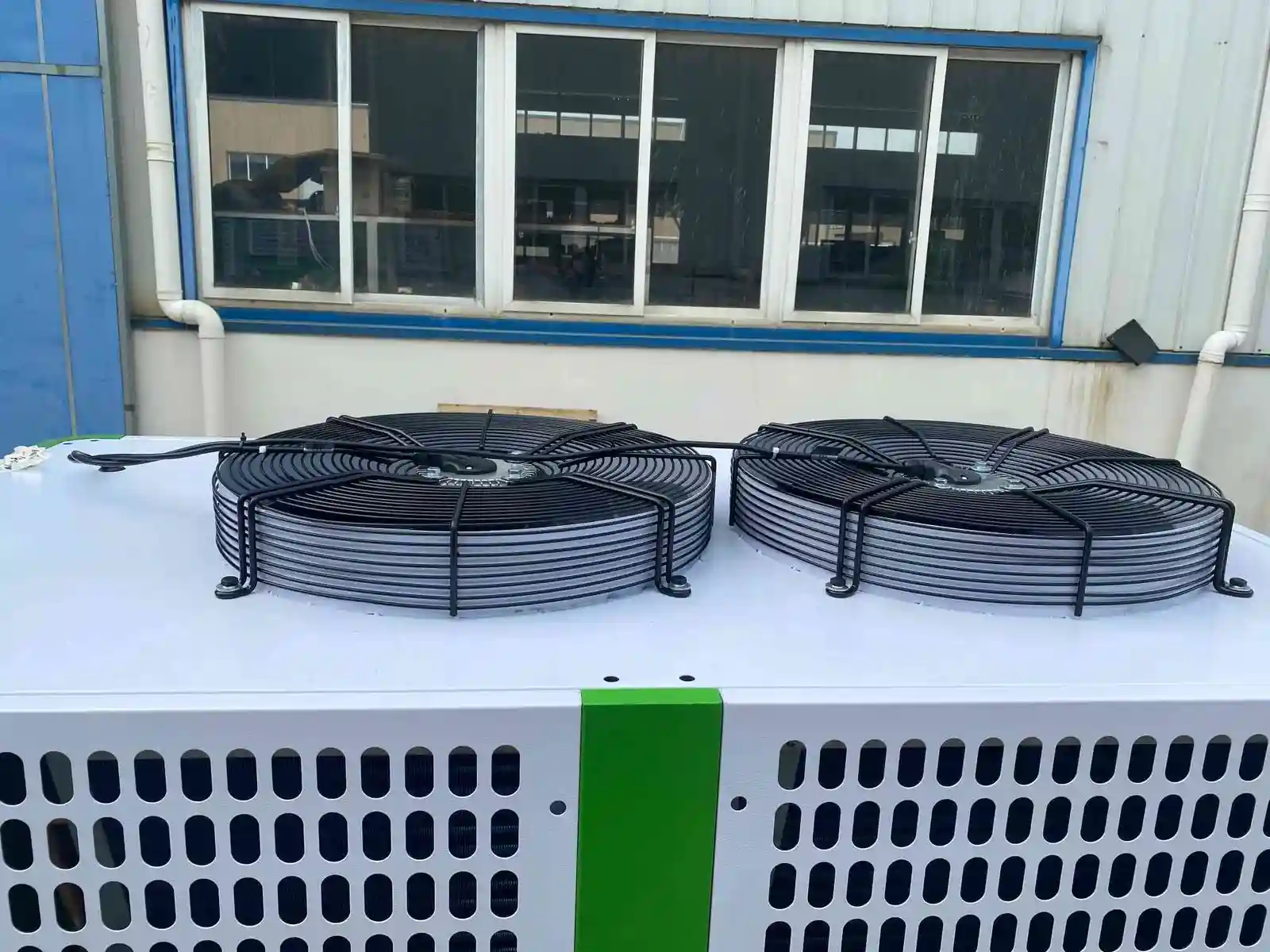
Every factory has its quirks. Perhaps there is limited roof space, or maybe the ambient temperature in the region regularly exceeds 40°C. In these scenarios, a standard unit might struggle. This is where the engineering depth of the air cooled chiller manufacturer comes into play. Can they adjust the coil size? Can they integrate specialized pumps?
It is quite common to find that a “off-the-shelf” industrial air chiller performs poorly because it wasn’t tuned for the specific heat load of the application. An observational truth in this industry is that the best manufacturers are the ones who ask the most questions about the user’s specific process before they ever quote a price.
The Role of the Air-cooled Screw Chiller in High-Capacity Needs
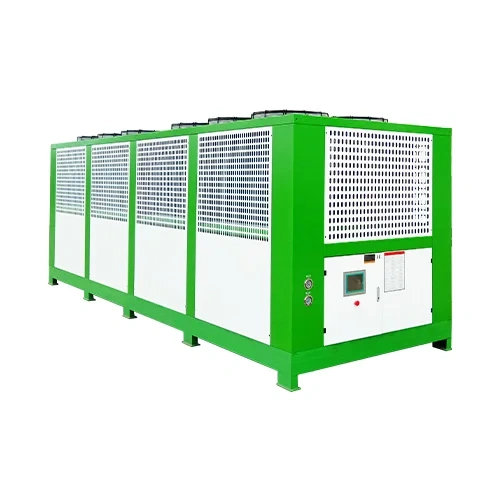
For larger operations, the conversation inevitably turns toward the Air-cooled screw chiller. These machines are the workhorses of the mid-to-large capacity range. When vetting a manufacturer for these specific units, one should look at their compressor partnerships. Are they using reputable brands like Bitzer, Hanbell, or RefComp? Because the compressor is the “heart” of the system, a manufacturer’s choice in components tells you exactly how much they value the longevity of their equipment.
| Manufacturer Tier | Initial Cost | Component Quality | Customization | Support Level |
|---|---|---|---|---|
| Tier 1 (Premium) | High | Top-shelf (Brand name) | High | Global/24/7 |
| Tier 2 (Mid-Range) | Moderate | Mixed (Reliable) | Moderate | Regional/Standard |
| Tier 3 (Budget) | Low | Generic/In-house | Low | Minimal/Self-service |
Comparing Cooling Philosophies: Air vs. Water
While the focus here is on air-cooled units, a versatile manufacturer often produces industrial water coolers as well. This is beneficial because they aren’t biased toward one technology. They can objectively tell a client if an air-cooled system is truly the right choice. Sometimes, an air-cooled unit is chosen for its simplicity and lack of water consumption, even if it has a slightly larger footprint.
An industrial chiller that uses air to reject heat is inherently simpler because it lacks the cooling towers and chemical treatment systems required by water-cooled counterparts. However, this simplicity means the manufacturer must be even more diligent about fan design and coil efficiency to keep energy costs in check.
Logistics and Long-Term Support from Your Air Cooled Chiller Manufacturer
It is an unfortunate reality that many buyers forget about the “day after” the installation. A machine is only as good as the parts available to fix it. When selecting an air cooled chiller manufacturer, the geographic reach and the availability of spare parts are paramount.
- Lead Times for Parts: If a fan motor dies, can the manufacturer get a replacement to the site in 48 hours, or is it a six-week wait from overseas?
- Technical Documentation: Clear, well-translated manuals and wiring diagrams are worth their weight in gold when a local technician is trying to troubleshoot an issue.
- Remote Monitoring: Many modern manufacturers now offer IoT integration, allowing them to dial into the industrial air chiller and diagnose problems before they result in a total system shutdown.
Actually, it’s quite interesting how much of a difference a dedicated support portal can make. If a manufacturer treats their “After-Sales” department as an afterthought, the customer usually ends up paying for it in lost production time.
Finalizing Your Partnership with an Air Cooled Chiller Manufacturer
At the end of the day, the decision-making process should be a mix of hard data and gut feeling based on communication. If the air cooled chiller manufacturer is responsive, provides detailed technical drawings promptly, and is willing to discuss the specific thermal dynamics of the project, they are likely a safe bet.
It is probably wise to avoid the “cheapest” option if the goal is a decade of trouble-free operation. In the world of an industrial chiller, you generally get exactly what you pay for. A slightly higher upfront investment in a unit from a reputable air cooled chiller manufacturer often pays for itself within the first two years through lower energy bills and fewer emergency repair calls.
FAQ
When consulting an Air Cooled Chiller Manufacturer, how much weight should be given to their choice of refrigerant for future-proofing?
As global environmental regulations shift, manufacturers are moving away from older refrigerants like R22 or even R410A in favor of low-GWP (Global Warming Potential) options like R32 or R1234ze. Choosing a manufacturer that is already utilizing these greener alternatives ensures that you won’t face supply shortages or sky-high costs for refrigerant “top-offs” as older gases are phased out by international treaties.
Does the geographic location of an Air Cooled Chiller Manufacturer influence the actual technical design of the unit?
In many ways, yes. You see, a manufacturer based in a tropical region might over-engineer their condensers to handle extreme humidity and heat, whereas a northern manufacturer might focus more on “low-ambient” kits that allow the industrial air chiller to run even when temperatures drop well below freezing. It is essential to ensure that the Air Cooled Chiller Manufacturer’s design philosophy actually aligns with the climate where the machine will be working, otherwise, you’re just asking for efficiency issues.
Why is "Partial Load" efficiency (IPLV) such a critical metric when vetting a potential Air Cooled Chiller Manufacturer?
Most chillers rarely run at 100% capacity all day (thankfully, or the power bill would be astronomical). Instead, they fluctuate based on the factory’s output. An Air Cooled Chiller Manufacturer that provides the Integrated Part Load Value (IPLV) is giving you a much more realistic picture of your annual electricity costs than one who only lists full-load efficiency. High IPLV ratings usually indicate that the manufacturer uses advanced components like variable frequency drives (VFDs) or multi-stage compressors in their Air-cooled screw chiller designs.

 English
  Spanish
  Russian
  Portuguese
  French
  Arabic
  Japanese
  German