
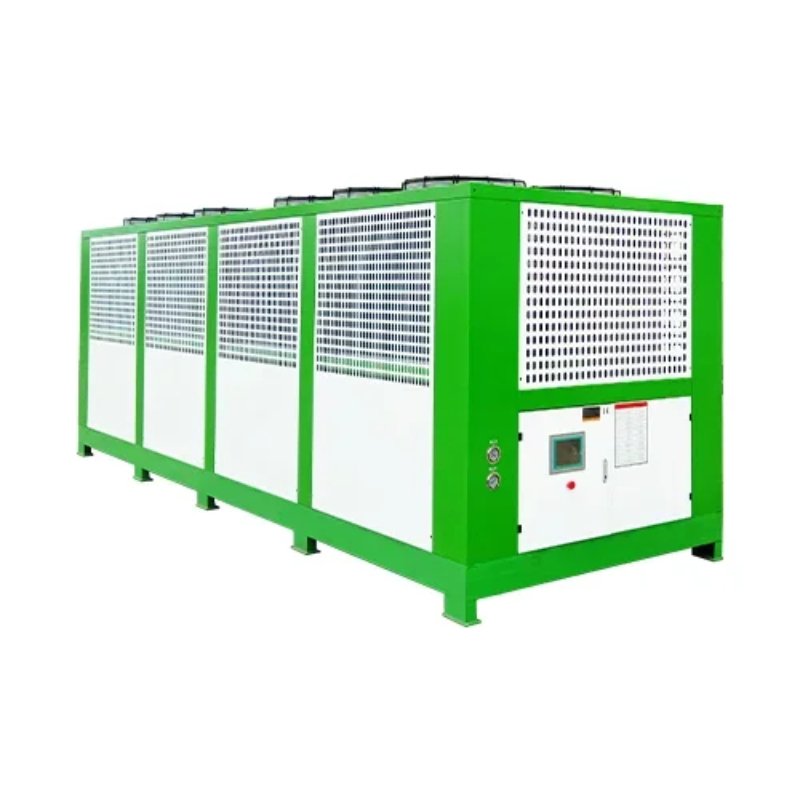
Зайдите на любое действующее производство или крупный объект, и, как правило, вы услышите постоянный тяжелый гул, вибрирующий на полу. Это звук терморегулирования. Если быть до конца честным, промышленные холодильные установки часто воспринимаются как нечто само собой разумеющееся. Они просто сидят в механических цехах или на крышах, выполняя тяжелую работу изо дня в день. О них очень легко забыть - вплоть до того момента, когда сработает сигнализация высокого давления и вся производственная линия внезапно и очень дорого остановится.
Высокая цена “чинить, когда сломается”
Наблюдая за тем, как различные предприятия управляют своим оборудованием на протяжении многих лет, можно выявить определенную закономерность. Предприятия, которые относятся к своим системам охлаждения как к активу по принципу “работай, пока не сломается”, обычно дорого платят за такую философию. Когда техническое обслуживание игнорируется, эффективность сначала падает медленно. Небольшое скопление накипи в трубках, незначительная утечка хладагента или грязный змеевик конденсатора по отдельности могут показаться не слишком серьезными проблемами. Но эти мелкие проблемы усугубляются. В конце концов, компрессорам приходится работать в два раза больше, чтобы достичь той же нагрузки, и потребление энергии возрастает так, что это трудно объяснить, не покопавшись в оборудовании.
Финансовые последствия не ограничиваются только повышением коммунальных платежей. Преждевременный износ компонентов приводит к неожиданным поломкам. Аварийный ремонт почти всегда обходится дороже планового обслуживания - иногда значительно дороже, особенно если требуется доставка специализированных деталей от зарубежных поставщиков. А еще - потерянное производственное время, которое в некоторых отраслях может превышать фактические затраты на ремонт.
Когда промышленные холодильные агрегаты начинают выходить из строя из-за небрежного отношения к ним, на заводе обычно появляется несколько характерных признаков:
- Необъяснимые, ползучие скачки в ежемесячных счетах за электроэнергию, которые не связаны с ростом производства.
- Из корпуса компрессора доносятся странные вибрирующие звуки, которых раньше не было.
- Лужи воды или масла, образующиеся совершенно ниоткуда вокруг основания устройства.
- Постепенное смещение температуры на выходе, при этом система пытается поддерживать заданные значения.
- Более частая цикличность, когда компрессоры включаются и выключаются чаще, чем обычно.
Любой из этих симптомов должен стать поводом для немедленного осмотра. Их игнорирование только усложнит и удорожит ремонт.
Практический подход к уходу
Для поддержания этих массивных холодильных машин в рабочем состоянии не требуется магия или экзотические знания. Просто требуется последовательность и готовность выполнять запланированные задачи, даже если кажется, что оборудование работает нормально. Создание надежного распорядка - единственный реальный способ выявить мелкие неполадки до того, как они превратятся в серьезные структурные сбои.
Хорошая новость заключается в том, что большинство задач по техническому обслуживанию достаточно просты, чтобы с ними мог справиться штатный технический персонал, при условии, что он имеет соответствующую подготовку и необходимые инструменты. Более сложные процедуры, такие как обработка хладагента или замена основных компонентов, как правило, требуют привлечения сертифицированных специалистов, но с повседневными задачами справится любая компетентная команда технического обслуживания.
Вот взгляд на то, как правильная, структурированная рутина обычно разрушается со временем.
| Задача по обслуживанию | Конкретная область внимания | Рекомендуемая частота |
|---|---|---|
| Ведение оперативного журнала | Проверка температуры, давления и расхода воздуха | Ежедневно |
| Визуальные осмотры | Ищите мелкие протечки, расшатанные панели или странные вибрации. | Еженедельник |
| Очистка змеевика | Удаление пыли, грязи и мусора из змеевиков конденсатора | Ежеквартально |
| Анализ жидкостей | Проверка заправки хладагента и качества компрессорного масла | Раз в полгода |
| Глубокая проверка компонентов | Проверка электрических контактов, очистка трубок, замена фильтров | Ежегодно |
Эта таблица является отправной точкой, а не жестким предписанием. Фактические интервалы технического обслуживания зависят от условий эксплуатации, факторов окружающей среды и рекомендаций производителя. Очевидно, что чиллер, работающий в пыльной наружной среде, нуждается в более частой очистке теплообменника, чем чистый чиллер в закрытом механическом помещении. Скорректируйте график, основываясь на реальных наблюдениях.
Этапы технического обслуживания промышленных холодильных установок
Фактическое выполнение технического обслуживания требует немного организованного подхода. Если приступать к работе вслепую, это обычно приводит к пропуску шагов, что, к сожалению, невероятно часто случается на объектах с нехваткой персонала. Наличие задокументированного контрольного списка - как бумажного, так и цифрового - поможет не упустить ничего из виду.
Ежедневные и еженедельные задания
Ежедневная работа сводится в основном к сбору данных и быстрому визуальному контролю. На это должно уходить не более пятнадцати-двадцати минут.
- Записывайте рабочие параметры: Записывайте температуру подаваемой и возвращаемой охлажденной воды, температуру конденсатора, давление хладагента и силу тока компрессора. Эти показатели рассказывают историю с течением времени. Например, постепенное увеличение давления напора часто указывает на загрязнение конденсатора.
- Проверьте наличие очевидных сигналов тревоги или неисправностей: современные промышленные холодильные установки оснащены сложными системами управления, которые автоматически фиксируют неполадки. Не игнорируйте низкоприоритетные предупреждения только потому, что система продолжает работать.
- Прислушайтесь к необычным звукам:Компрессоры, насосы и вентиляторы имеют характерные рабочие звуки. Изменения в этом звуке - скрежет, дребезжание или высокочастотный вой - обычно указывают на развивающиеся проблемы.
Еженедельные проверки добавляют физический компонент в рутину:
- Обойдите весь блок, проверяя, нет ли утечек, коррозии или физических повреждений.
- Убедитесь, что изоляция на трубопроводах охлажденной воды не повреждена и не залита водой.
- Убедитесь, что поток воздуха вокруг конденсаторов с воздушным охлаждением не перекрыт. Удивительно, как часто коробки, поддоны или случайный мусор блокируют вентиляционные отверстия.
Ежемесячные и ежеквартальные задания
Именно здесь начинается более практическая работа.
1. Очистите змеевики конденсатора: Грязные змеевики - это, пожалуй, самая распространенная причина снижения эффективности систем воздушного охлаждения. Пыль, пыльца, насекомые и промышленные частицы скапливаются на ребрах и значительно снижают теплопередачу. Обычно с этой задачей справляется щетка для чистки змеевиков или промывка водой под низким давлением.
2. Осмотрите и очистите испаритель: Скопление накипи в трубках испарителя снижает холодопроизводительность и увеличивает потребление энергии. Чистка трубок щеткой или химическая очистка при сильных отложениях восстанавливает производительность.
3. Проверьте уровень хладагента: Низкий уровень хладагента почти всегда означает утечку где-то в системе. Просто дозаправка без поиска и устранения утечки - пустая трата денег и потенциальный вред для окружающей среды.
4. Проверьте качество воды: Для систем с водяным охлаждением химический состав конденсаторной воды имеет огромное значение. Неправильный уровень pH или недостаточная биоцидная обработка приводят к образованию накипи, коррозии и биологическому загрязнению - все это снижает производительность и сокращает срок службы оборудования.
Полугодовые и годовые глубокие погружения
Это более интенсивные мероприятия по техническому обслуживанию, которые обычно требуют планирования времени простоя.
- Проанализируйте компрессорное масло: Разрушение масла свидетельствует о внутреннем износе или загрязнении. Отправка образцов в лабораторию для анализа может выявить проблемы задолго до того, как они приведут к катастрофическим отказам.
- Осмотрите электрические компоненты:Вибрация со временем ослабляет соединения. Проверка контакторов, реле и клеммных колодок на герметичность и наличие признаков дуги предотвращает сбои в работе электрооборудования.
- Калибровка элементов управления и датчиков: дрейф датчиков приводит к неэффективной работе. Ежегодная калибровка обеспечивает правильное реагирование системы на реальные условия.
- Замените фильтры и сетчатые фильтры: Засорившиеся фильтры ограничивают поток и создают нагрузку на насосы. Замена стоит недорого, а ремонт насоса - нет.
Специальные соображения для различных типов чиллеров
Не все промышленные холодильные установки одинаковы, и требования к обслуживанию несколько отличаются в зависимости от конкретной технологии.
Системы с воздушным охлаждением и водяным охлаждением
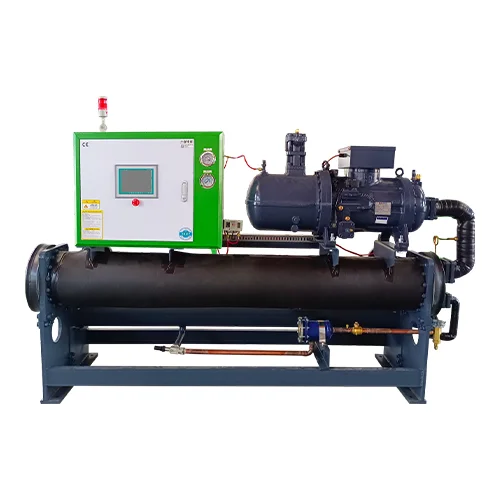
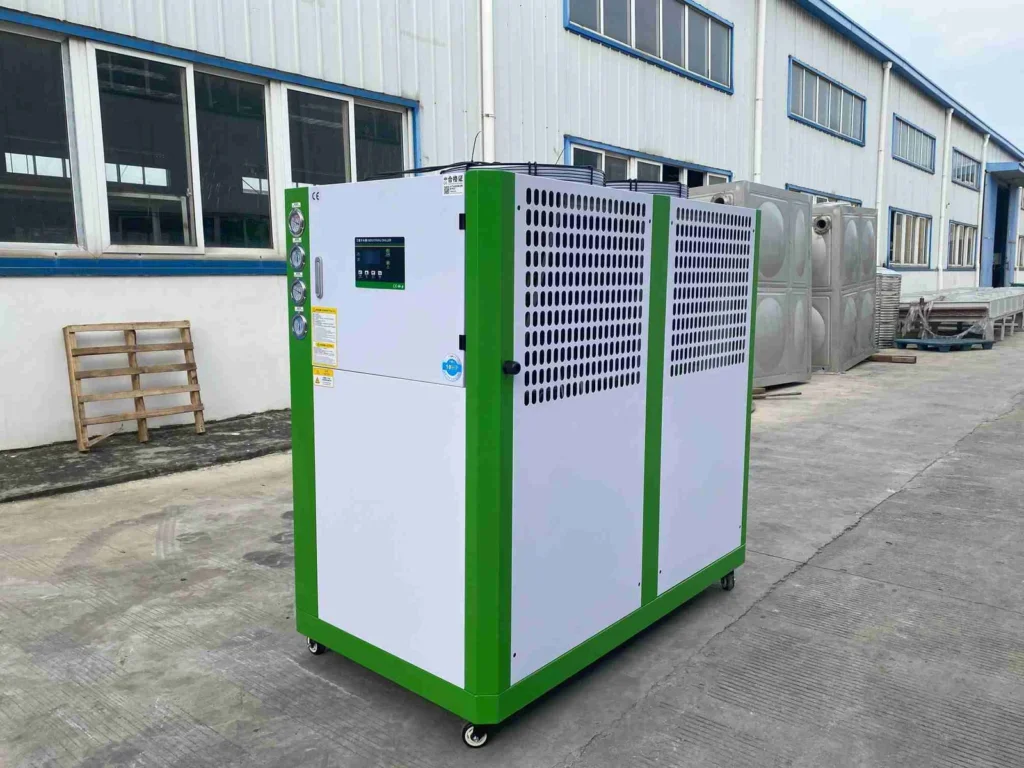
Холодильные машины с воздушным охлаждением требуют повышенного внимания к чистоте змеевика конденсатора, поскольку для отвода тепла они полностью полагаются на окружающий воздух. Чиллеры с водяным охлаждением, В отличие от них, градирни нуждаются в надежных программах водоподготовки и регулярном обслуживании. Пренебрежение градирней, по сути, гарантирует проблемы в самом чиллере.
Винтовые, центробежные, спиральные компрессоры
Различные типы компрессоров имеют разный характер износа и нуждаются в техническом обслуживании. Например, винтовые компрессоры в значительной степени зависят от качества масла и часто имеют определенные интервалы его замены. Центробежные агрегаты могут нуждаться в периодической проверке крыльчатки. Спиральные компрессоры, как правило, не требуют особого обслуживания, но все же нуждаются в проверке заправки хладагента и электрических соединений.
Формирование культуры технического обслуживания
В конце концов, бережное отношение к промышленным холодильным установкам с точки зрения механики значительно повышает надежность, эффективность и срок службы оборудования. Самый лучший в мире контрольный список технического обслуживания бесполезен, если ему никто не следует. Создание культуры, в которой профилактическое обслуживание ценится, а не рассматривается как прерывание “реальной работы”, требует поддержки со стороны руководства и ответственности на уровне технического персонала.
Некоторые предприятия привязывают выполнение технического обслуживания к показателям эффективности. Другие инвестируют в компьютеризированные системы управления техническим обслуживанием (CMMS), которые автоматизируют составление графиков и отслеживают их соблюдение. Какой бы подход ни применялся в конкретной организации, главное - последовательность в течение долгого времени.
Конечно, тратить время на составление графика простоя для технического обслуживания - это раздражает. Руководители производства ненавидят это. Но иметь дело с экстренной заменой компрессора в разгар июльской жары, когда сроки поставки запчастей растягиваются на недели, а весь объект перегревается? Это значительно хуже. Значительно, заметно хуже.
Хорошо обслуживаемый чиллер просто гудит, незаметно выполняя свою работу. А это, если разобраться, именно то, что всем нужно.
Если вы хотите узнать больше о промышленных холодильных установках, пожалуйста, прочитайте Как работают промышленные холодильные агрегаты?
ЧАСТО ЗАДАВАЕМЫЕ ВОПРОСЫ
Сколько должен прослужить хорошо обслуживаемый охладитель?
При строгом соблюдении графика технического обслуживания большинство коммерческих и промышленных систем могут эффективно работать от 15 до 25 лет.
Какова наиболее распространенная причина плохой работы системы охлаждения?
Обычно это связано с загрязнением змеевика конденсатора или деградацией трубок теплообменника. Когда тепло не может нормально уходить, страдает вся система.
Можно ли использовать обычную водопроводную воду в контуре охлажденной воды?
Как правило, ее не рекомендуется использовать без соответствующей химической обработки. Неочищенная водопроводная вода вызывает накипь и коррозию во внутренних трубопроводах.

 Russian
  English
  Spanish
  Portuguese
  French
  Arabic
  Japanese
  German