
Plastic milk bottles look harmless enough when they’re empty, but they add up fast. In kitchens, dairies, grocery backrooms, and recycling rooms, these bulky containers can take over space before anyone really notices. That’s why knowing how to crush plastic milk bottles is surprisingly useful—not just for tidiness, but for making waste handling and recycling a lot less awkward.
Crushing them sounds simple, and in a way, it is. But there’s a difference between just flattening a few bottles here and there and setting up a method that actually saves time and storage space. The right approach depends on volume, safety, and whether the bottles are being handled at home or in a busier operation.
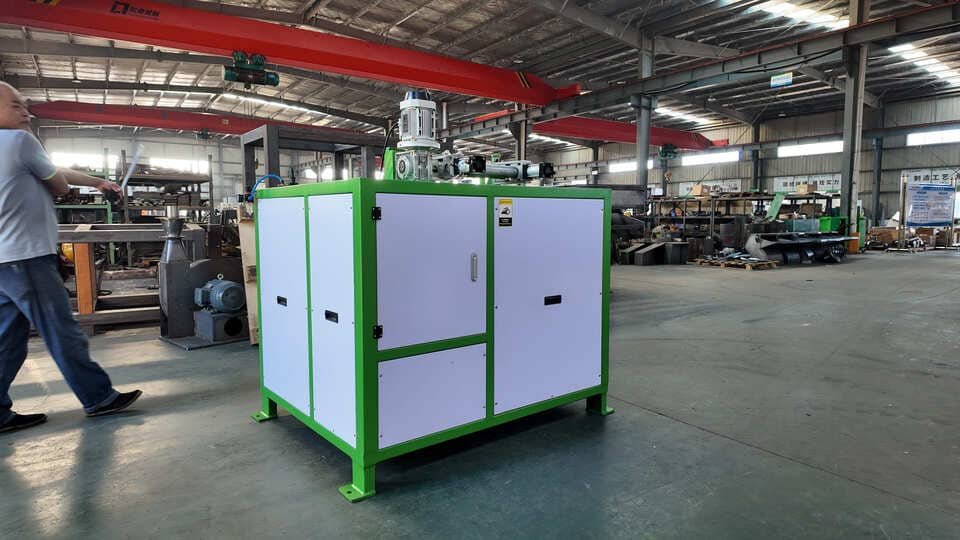
Why Crushing Plastic Milk Bottles Makes Sense
At first glance, milk bottles don’t seem like a big storage problem. Then a few dozen appear. Then a few hundred. Because they’re lightweight but full of air, they occupy far more room than they should. Crushing them reduces that wasted space dramatically.
There’s also the recycling side of things. Compacting bottles usually makes collection cleaner and easier, especially when bins fill up quickly. Facilities often prefer bundled or flattened material because it means fewer trips, less overflow, and a tidier sorting area. According to the EPA’s recycling basics, clean and properly prepared recyclables generally support better recovery outcomes, which is one reason bottle prep matters more than people expect.
A few practical benefits stand out:
- Less bin space used
- Easier stacking and transport
- Better workflow in back-of-house areas
- Lower chance of containers toppling or spreading around
That said, not every milk bottle needs the same treatment. A household with a few bottles a week can get by with manual flattening. A food processor or packaging site, on the other hand, may need something far more efficient.
How to Crush Plastic Milk Bottles Safely and Efficiently
There are two broad ways to approach the job: manual crushing or machine-based crushing. Each has its place, and each becomes more sensible at a different scale.
Manual crushing methods
For small amounts, manual crushing is usually enough. The basic idea is to remove excess air and flatten the container without creating a mess.
Common methods include:
- Pressing the bottle down with both hands
- Twisting it along the centerline before flattening
- Using body weight carefully on a clean floor or foot pedal setup
This works best when bottles are empty and dry. A bottle with leftover liquid can spring back, leak, or become slippery—none of which helps.
There’s a small but important point here: crushing a bottle too aggressively can sometimes make it harder to sort later if the recycling stream requires a certain shape or closure. So “flattened” is usually better than “destroyed.”
Using a machine for larger volumes
Once the volume increases, manual crushing starts to feel inefficient pretty quickly. That’s where a дробилка для пластика becomes relevant. It handles repeated processing with much less effort and offers more consistent results, especially in busy environments where containers keep arriving.
A machine is often a better fit when:
- Bottles are being processed daily
- Staff time is limited
- Storage space is tight
- The material needs to be fed into a broader recycling workflow
In many facilities, the real value isn’t only speed. It’s consistency. Bottles come out in a predictable form, and that makes downstream handling easier.
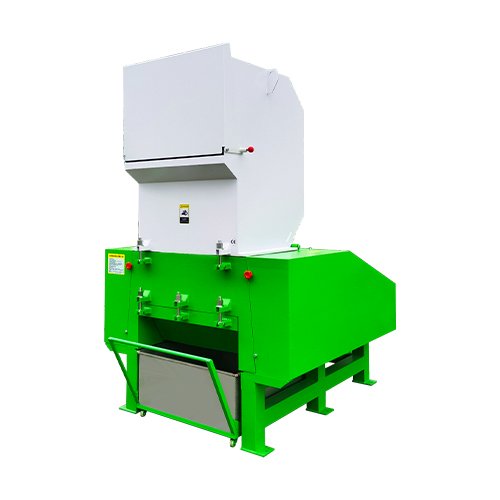
Choosing the Right Equipment for Milk Bottles
Not every crusher is equally suited to every situation. Milk bottles are relatively soft compared with denser plastic containers, but high-volume use still demands the right setup.
Some operations need a general-purpose machine. Others need something sturdier, especially when the workflow involves mixed plastic waste or high throughput. That’s where machine selection starts to matter in a more noticeable way.
When a heavy-duty machine is the better fit
For high-output settings, a heavy duty plastic crusher can be a better long-term option. The advantage is not just brute force; it’s durability and stability under repeated use. Machines in this category are generally better suited to environments where downtime is expensive and plastic waste accumulates quickly.
This kind of equipment tends to make sense for:
- Recycling stations
- Beverage processing plants
- Distribution centers
- Large commercial kitchens
The key thing is that a heavy-duty unit doesn’t just crush better; it usually handles workload more reliably. That becomes obvious after a while.
Side-entry convenience for bulky feeding
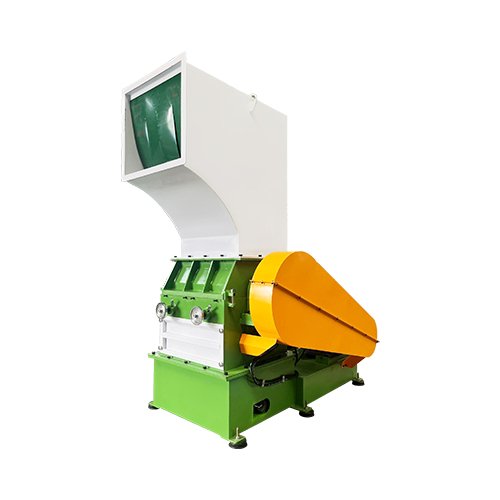
Some spaces make feeding material into a machine awkward. That’s where a дробилка для пластика с боковым отверстием can feel noticeably more practical. The side-entry design often helps with easier loading, especially when bottles are being dropped in quickly or from awkward angles.
That may sound like a small detail, but in a working environment, small details often decide whether a process feels smooth or irritating. If bottles are constantly being fed into the machine, convenience starts to matter just as much as output.
Quick Comparison Table
| Метод | Лучшее для | Effort Required | Скорость | Скорость | Typical Use Case |
|---|---|---|---|---|---|
| Manual crushing | Small household volumes | Low to moderate | Slow | Хорошо | Home kitchens, small offices |
| Standard plastic crusher | Regular recycling flow | Низкий | Fast | Very good | Small businesses, sorting areas |
| Сверхмощная дробилка для пластика | High-volume operations | Very low | Very fast | Excellent | Industrial or commercial facilities |
| Side opening plastic crusher | Easy feeding and frequent loading | Very low | Fast | Excellent | Busy environments with awkward handling |
The table makes one thing pretty clear: the best method depends less on the bottle itself and more on the amount of material being processed.
Общие ошибки, которых следует избегать
Crushing milk bottles is simple enough, but a few errors come up again and again.
Leaving liquid inside
Residual milk or rinse water can create smell, mess, and contamination. It may also make bottles harder to compress cleanly.
Using the wrong machine for the workload
A small crusher can be perfectly fine for light use, but it may struggle when pushed beyond its design. That usually shows up as slow performance, jammed feed, or more maintenance than expected.
Ignoring recycling rules
Not every recycling system wants bottles prepared the same way. Some accept caps attached; others don’t. Some prefer labels removed; others don’t care. It’s worth checking.
Crushing too inconsistently
Half-flattened bottles can rebound and waste space. Bottles crushed in a uniform way stack better and are easier to move.
Environmental and Operational Benefits
There’s a practical side to crushing milk bottles, but there’s also a broader one. Less volume means fewer transport trips, which usually means lower handling costs and a smaller logistics burden. In a busy workspace, that can make a real difference.
It also improves separation. Clean, compact plastic waste is easier to sort than loose bottles scattered through bins or storage areas. That kind of order tends to reduce contamination and makes the recycling line feel less chaotic overall.
And honestly, there’s a hidden benefit that doesn’t get mentioned often enough: a cleaner waste area usually leads to better habits. When staff can see the bin situation clearly, they tend to manage it more consistently.
Final Thoughts
Learning how to crush plastic milk bottles is one of those small operational habits that quietly saves a lot of time and space. For a few bottles, manual flattening is usually enough. For larger volumes, equipment becomes the smarter choice, especially when the goal is to keep recycling areas organized and efficient.
The best method is the one that fits the scale of the job. Sometimes that means simple hand-crushing. Sometimes it means a dedicated machine built for heavier workloads. Either way, compacting bottles properly turns a bulky nuisance into something much easier to handle.
ЧАСТО ЗАДАВАЕМЫЕ ВОПРОСЫ
Can crushed milk bottles still be recycled normally?
Usually, yes, as long as the bottles remain in the accepted plastic category for the local recycling stream. The important part is often cleanliness and correct sorting, not whether the bottle is flattened.
Should the cap stay on or come off before crushing?
That depends on local recycling instructions. Some systems allow caps to remain attached, while others ask for them to be removed separately. Checking local guidance avoids unwanted sorting problems later.
Is there a benefit to crushing bottles after rinsing instead of before?
Yes. Rinsing first reduces odors, residue buildup, and contamination risk. It also tends to make the crushing process cleaner, especially when bottles are collected in larger quantities.

 Russian
  English
  Spanish
  Portuguese
  French
  Arabic
  Japanese
  German