
Пластиковые бутылки для воды занимают гораздо больше места, чем кажется. Несколько пустых бутылок в мусорном ведре могут быстро превратиться в беспорядочную, переполненную стопку, и именно в этот момент вы узнаете, как раздавить пластиковые бутылки для воды, и почувствуете себя полезным, а не просто аккуратным. Процесс не сложен, но “правильный” метод зависит от того, что произойдет дальше - отправятся ли бутылки в домашнюю переработку, на коммерческий сбор или в более крупный поток отходов, где важна последовательность.
На практике дробление в основном сводится к уменьшению объема, не создавая головной боли при переработке. Этот баланс имеет большее значение, чем люди часто думают. Некоторые бутылки легко сплющиваются вручную, в то время как другие пружинят, если с ними не обращаться определенным образом. А при больших объемах работ разница между ручным обращением и использованием соответствующей машины может быть удивительно большой.
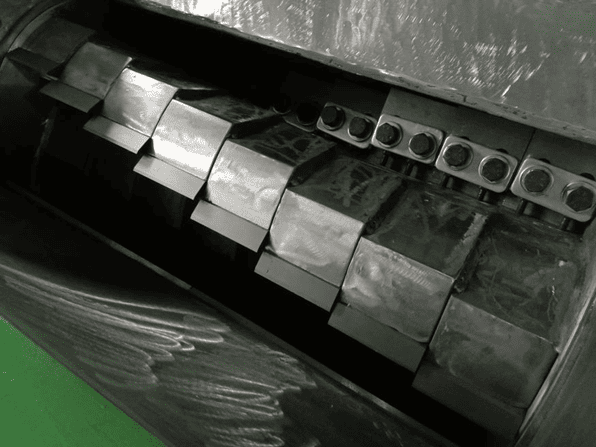
Почему дробление пластиковых бутылок для воды помогает
На самом простом уровне дробленые бутылки экономят место. Это важно для кухонных контейнеров, офисных пунктов приема вторсырья, складских помещений и погрузочных доков, где каждый лишний дюйм на счету.
Есть и несколько других преимуществ:
- Удобство хранения до сбора
- Меньший объем транспортировки
- Более упорядоченное складирование вторсырья
- Меньше переполненных контейнеров и меньше мусора вокруг точек сбора
В условиях вторичной переработки компактные материалы легче поддаются обработке, хотя местные правила все равно имеют значение. В одних системах бутылки лучше хранить в расправленном виде, в других - сплющенная бутылка вполне подойдет. Поэтому место назначения материала имеет почти такое же значение, как и само дробление.
Для общего руководства по переработке отходов полезным справочником являются "Основы переработки отходов" Агентства по охране окружающей среды США, особенно если местные инструкции неясны.
Добавьте текст заголовка сюда
Есть несколько способов сделать это, и, честно говоря, “лучший” метод зависит от объема и настроек.
Дробление вручную
Это самый распространенный способ для небольшого количества бутылок. Опорожните бутылку, установите неплотно крышку или оставьте ее без крышки, в зависимости от местных рекомендаций, и расплющите ее с сильным давлением по всей длине бутылки. Легкое скручивание поможет устранить внутреннее сопротивление воздуха, которое часто является причиной того, что бутылка снова надувается.
Это хорошо работает, когда:
- Здесь всего несколько бутылок.
- Скорость имеет меньшее значение, чем удобство
- Оборудование отсутствует
Давление на ноги или уплощение веса тела
Многие люди ставят ногу на середину бутылки, удерживая горлышко. Другие прижимают бутылки к плоской поверхности или осторожно наступают на них, помещая в прочный мусорный пакет. Это быстро, но, как правило, немного грязно, если в бутылках остались остатки жидкости.
Главное предостережение здесь очевидно: острые края, скользкий пол и переполненные мешки могут сделать это занятие более неприятным, чем кажется на первый взгляд.
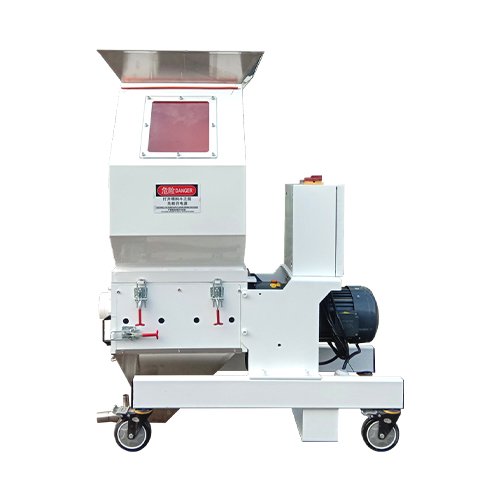
Использование выделенной машины
Для предприятий, центров переработки и предприятий, работающих с большими объемами, машина часто является более практичным решением. Правильный дробилка для пластика позволяет сокращать материал более последовательно, чем ручное плющение, а также выдерживает многократное использование, не превращая работу в постоянную рутину.
Это особенно полезно, когда бутылки составляют лишь часть груза, а предприятию требуется более равномерный выход для сбора или переработки.
Что нужно сделать перед дроблением
Шаги, предшествующие дроблению, не слишком гламурны, но они важны. Пропуск этих шагов обычно приводит к возникновению небольших проблем.
Полностью опустошите бутылку
Даже небольшое количество жидкости может сделать бутылки скользкими, их будет сложнее уплотнить, и они будут сильнее пахнуть, если будут стоять без дела. Кроме того, она увеличивает вес без всякой на то причины.
Проверьте местные рекомендации по переработке отходов
Эту часть стоит проверить, потому что рекомендации могут быть разными. Некоторые программы по переработке требуют оставлять крышки, другие - нет. Одни хотят, чтобы бутылки были сплющенными, другие предпочитают их не сплющенными, чтобы сортировочному оборудованию было легче их идентифицировать.
При необходимости удалите материалы, не относящиеся к бутылкам
Этикетки, крышки, термоусадочные пленки и остатки могут повлиять на сортировку бутылок. Многие системы переработки предназначены для борьбы с некоторыми загрязнениями, но не все они справляются с ними одинаково. Если вы не уверены в своих силах, страница местного муниципалитета, посвященная переработке отходов, обычно более надежна, чем общие советы.
Дробление бутылок для домашнего и коммерческого использования
Разница между домашним и коммерческим дроблением бутылок заключается не только в масштабе. Речь идет также о последовательности, безопасности и о том, сколько времени занимает процесс.
В домашних условиях несколько бутылок в день можно расплющить вручную и бросить в мешок для сбора мусора. Это достаточно просто.
Однако в коммерческих помещениях проблемы с узкими местами возникают быстро. Персоналу нужен более безопасный метод, производительность должна быть равномерной, а оборудование часто должно успевать за другими потоками отходов. В таких ситуациях машина или специализированное оборудование обычно более практичны, чем использование только ручного давления.
Некоторые операции ищут боковая пластиковая дробилка потому что боковая подача может более естественно вписаться в определенные рабочие процессы, особенно при обработке бутылок и подобных легких пластиков в партиях.
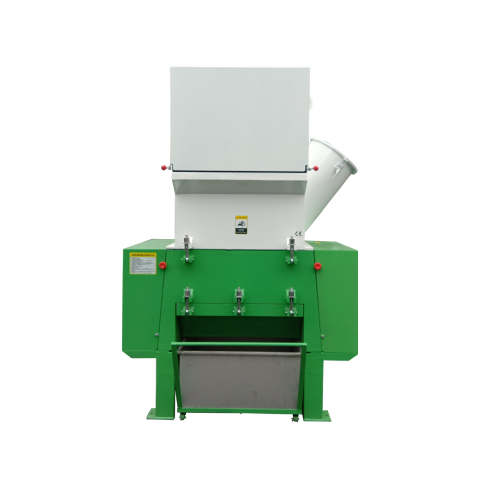
Выбор правильной дробилки для пластиковых бутылок
Не все дробилки построены одинаково, и это становится очевидным довольно быстро, когда производительность возрастает.
Несколько характеристик имеют наибольшее значение:
- Размер загрузочного отверстия
- Качество лезвий и расстояние между ними
- Простота очистки
- Уровень шума
- Защитные блокировки
- Пригодность для легких пластиков
Машинка с удобным отверстием уменьшит неудобства в обращении и сделает весь процесс более плавным. Это одна из причин, по которой дробилка для пластика с боковым отверстием может быть разумным выбором на некоторых предприятиях: точка доступа может облегчить погрузку и поддерживать рабочий процесс с меньшими перерывами.
Быстрое сравнение
| Метод | Лучшее для | Скорость | Последовательность | Примечания |
|---|---|---|---|---|
| Ручное дробление | Дома, офисы | Низкий | Средний | Простота, не требуется оборудование |
| Сплющивание стопы/давления | Небольшие объемы сыпучих материалов | Средний | Низкий-средний | Быстро, но может быть грязно |
| Специализированная дробилка | Предприятия, объекты | Высокий | Высокий | Лучше всего подходит для многократного использования |
| Дробилка с боковым открыванием | Структурированные рабочие процессы загрузки | Высокий | Высокий | Более легкий доступ для некоторых установок |
Советы по безопасности и распространенные ошибки
В большинстве случаев разбивание бутылок не сопряжено с риском, но несколько привычек делают его гораздо более плавным.
Держите руки подальше от движущихся частей
Это относится к любой машине, но стоит повторить, потому что легкие пластики могут вести себя непредсказуемо. Бутылки иногда задевают, складываются или отскакивают под разными углами.
Не разбивайте грязные контейнеры без соблюдения правил.
Если в бутылке содержалось больше, чем обычная вода, или если она имеет видимые загрязнения, местные правила обращения могут измениться. Это особенно актуально для коммерческих программ сбора, где загрязнение может затронуть всю партию.
Избегайте перегрузки машин
Заманчиво продолжать быстро подавать материал. Но переполнение дробилки может снизить качество продукции, увеличить износ и вызвать заклинивание, на устранение которого уйдет больше времени, чем потребовалось бы при первоначальной загрузке.

Следите за острыми краями и пружинящей спинкой
Некоторые бутылки складываются, а затем слегка отгибаются. На других могут образовываться складки с острыми углами. Ни то, ни другое обычно не является серьезной проблемой, но они могут раздражать при сортировке или упаковке.
Лучшие практики после дробления
Разбитые бутылки все равно следует хранить аккуратно. Эту деталь легко упустить из виду.
Несколько практических привычек помогут вам:
- Храните раздавленные бутылки сухими
- Храните их в чистых пакетах или корзинах
- Отделяйте их от пищевых отходов и смешанного мусора
- Следуйте местным инструкциям по упаковке в мешки, прессованию или сбору.
Руководство Recycle Now по пластиковым бутылкам также полезно для понимания того, что происходит после сбора и почему подготовка иногда имеет такое же значение, как и само дробление.
Общая идея проста: раздавленная бутылка полезна только в том случае, если она остается идентифицируемой и управляемой для следующего шага в системе.
ЧАСТО ЗАДАВАЕМЫЕ ВОПРОСЫ
Всегда ли пластиковые бутылки с водой должны оставаться плоскими для езды на велосипеде?
Не всегда. Некоторые программы по переработке принимают сплющенные бутылки, другие предпочитают, чтобы они оставались не сплющенными, чтобы системам сортировки было легче их распознать. Правила местных программ имеют большее значение, чем универсальное правило.
Что будет, если оставить крышку во время дробления?
Оставляя крышку, вы можете помочь некоторым бутылкам оставаться сжатыми, но это также может зависеть от стандарта переработки в конкретном регионе. В некоторых случаях крышки собираются отдельно, поскольку тип пластика отличается.
Можно ли сильно раздавить бутылки?
Да, особенно при промышленной обработке. Если бутылки спрессованы в неудобные формы или спрессованы с другими отходами, сортировочному оборудованию будет сложнее их разделить. Цель - компактное хранение, а не придание материалу неузнаваемости.

 Russian
  English
  Spanish
  Portuguese
  French
  Arabic
  Japanese
  German