
تميل المبردات المبردة بالهواء إلى أن تبدو متشابهة للوهلة الأولى، ولكن نوع الضاغط يتغير كثيرًا تحت الغطاء. ويؤثر هذا الاختلاف على السعة والكفاءة والضوضاء والصيانة وحتى على المكان المنطقي لتركيب الوحدة. في الممارسة العملية، نادرًا ما يكون القرار بشأن نموذج واحد “أفضل” ؛ يتعلق الأمر أكثر بمطابقة النظام مع الحمل والمبنى ونمط التشغيل.
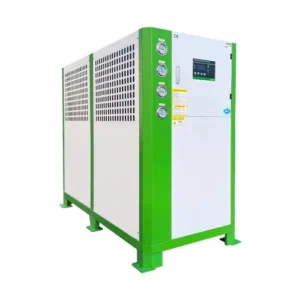
بالنسبة للمنشآت التي تحتاج إلى تبريد موثوق للمعالجة أو التبريد المريح دون تعقيد برج التبريد, مبرد مبرد الهواء المبرد بالهواء تظل الأنظمة خيارًا عمليًا للغاية. فهي تُستخدم على نطاق واسع لأنها تبسّط التركيب وتقلل من الاعتماد على المياه، وهو ما يشكل في كثير من الأحيان عاملاً حاسماً في مشاريع العالم الحقيقي.

ما هي مبردات التبريد بالهواء؟
على المستوى الأساسي، تقوم المبردات المبردة بالهواء بإزالة الحرارة من الماء أو أي سائل آخر وترد تلك الحرارة إلى الهواء المحيط. وبدلاً من الاعتماد على برج تبريد وحلقة مياه مكثفة، فإنها تستخدم المراوح والهواء المحيط لإنجاز المهمة. وهذا يجعلها أسهل في الموقع، وأسهل في الصيانة في بعض الحالات، وأقل اعتمادًا بشكل عام على البنية التحتية للمياه.
تظهر في جميع أنواع الإعدادات:
- مصانع التصنيع
- خطوط معالجة الأغذية والمشروبات
- قولبة حقن البلاستيك
- مراكز البيانات
- المباني التجارية
- المرافق الصيدلانية
جيد المبردات الصناعية غالبًا ما يتعلق الأمر باختيار بنية التبريد المناسبة للبيئة، وغالبًا ما يتم اختيار وحدات تبريد الهواء عندما تكون البساطة والمرونة أكثر أهمية من ذروة الكفاءة من جانب المياه.
الأنواع الرئيسية للمبردات المبردات المبردة بالهواء
الضاغط هو حقًا المكان الذي تبدأ فيه شخصية المبرد في الظهور. تخدم كل من المبردات اللولبية والمبردات اللولبية ومبردات الطرد المركزي نوعًا مختلفًا من متطلبات التبريد.
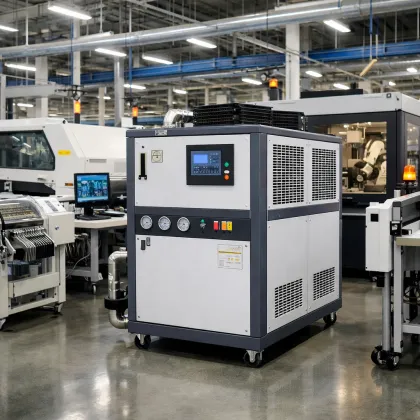
1. مبردات تبريد الهواء اللولبية
تستخدم المبردات اللولبية ضواغط لولبية، والتي تضغط المبرد من خلال عنصرين حلزونيين متشابكين. التصميم مدمج وهادئ نسبيًا، ويتمتع بسمعة طيبة في التشغيل المستقر الذي يمكن الاعتماد عليه.
عادةً ما تكون هذه الوحدات مناسبة بقوة لأحمال التبريد الصغيرة إلى المتوسطة. قد يعني ذلك مختبرًا أو ورشة عمل متوسطة الحجم أو مبنى تجاري أو خط معالجة لا يحتاج إلى حمولة ضخمة. وغالبًا ما يتم اختيارها لأنها مباشرة وفعالة بسعات معتدلة وأقل تخويفًا من وجهة نظر الصيانة.
تشمل نقاط القوة المشتركة ما يلي:
- بصمة مدمجة
- ضوضاء أقل مقارنة ببعض الأنظمة الأكبر حجماً
- كفاءة جيدة عند الأحمال الصغيرة
- عملية بسيطة
المفاضلة هي أن المبردات اللولبية ليست عادةً الخيار الأول للمنشآت الكبيرة جدًا. بمجرد ارتفاع متطلبات التبريد بشكل كبير، تميل أنواع الضواغط الأخرى إلى أن تكون أكثر منطقية.
2. مبردات تبريد الهواء اللولبية
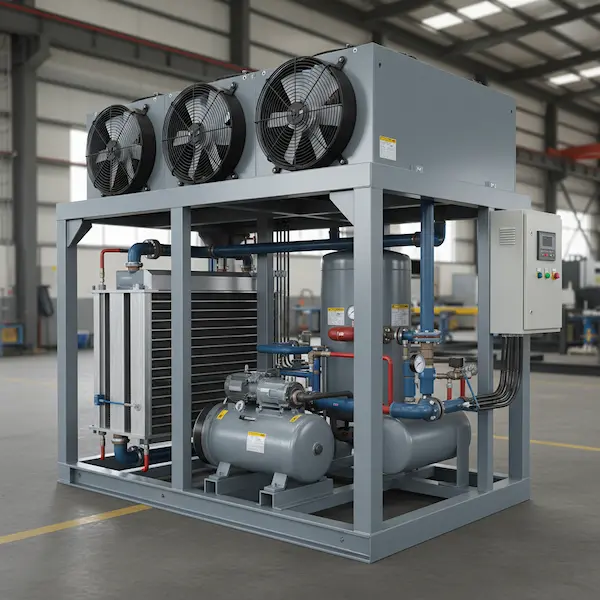
تستخدم المبردات اللولبية زوجًا من الدوارات المتشابكة لضغط المبرد. التصميم قوي ويتعامل مع سعات أكبر بشكل مريح أكثر من الأنظمة اللولبية. في البيئات الصناعية، هذا مهم جدًا.
يمكن أن يدعم الضاغط اللولبي في كثير من الأحيان الطلب المتغير بشكل أفضل من المتوقع، خاصة في المنشآت التي يتقلب فيها الحمل عبر نوبات العمل أو المواسم. وهذا أحد أسباب استخدام مشروعات المبردات الصناعية في كثير من الأحيان للأنظمة القائمة على اللولب. فهي توفر توازنًا بين الحجم والكفاءة والمتانة التي تناسب العمليات الثقيلة.
تُقدَّر قيمة المبردات اللولبية عادةً بما يلي:
- أداء أفضل في أحمال التبريد الأكبر
- كفاءة تحميل جزئي جيدة
- عمر خدمة طويل
- المرونة في التطبيقات الصناعية
وهي تأتي بتكلفة أعلى مقدماً في كثير من الحالات، كما أن النظام أكثر تعقيداً قليلاً من وحدة التمرير. ومع ذلك، بالنسبة للمنشآت التي تحتاج إلى تبريد يمكن الاعتماد عليه على مدار ساعات تشغيل طويلة، يمكن أن يكون هذا الاستثمار منطقيًا.
3. مبردات الطرد المركزي المبردة بالهواء المبرد بالطرد المركزي
تعمل مبردات الطرد المركزي بشكل مختلف مرة أخرى. فبدلاً من عصر المبردات من خلال براغي أو لفائف، فإنها تستخدم دافعًا عالي السرعة لتسريع البخار وتحويل تلك الطاقة إلى ضغط. يبدو الأمر دراماتيكيًا بعض الشيء، وهو كذلك بطريقة ما - فهذه الأنظمة مصممة لتلبية متطلبات التبريد الرئيسية.
وهي الأنسب للمشاريع الكبيرة حيث تكون السعة أكثر أهمية من الاكتناز. قد تستخدم المستشفيات والحرم الجامعي الكبير والأبراج التجارية الكبرى وبعض المواقع الصناعية الثقيلة مبردات الطرد المركزي عندما يبرر الحمل ذلك.
تشمل مزاياها عادةً ما يلي:
- قدرة تبريد عالية جداً
- أداء قوي في الأنظمة الكبيرة
- التشغيل الفعال على نطاق واسع
- مناسبة لمحطات التبريد المركزي
الجانب السلبي هو أنها عادةً ما تكون مبالغاً فيها بالنسبة للمنشآت الأصغر حجماً. كما أنها تميل إلى أن تكون أكثر تخصصاً، لذا فهي ليست الحل الأبسط لكل مشروع.
اللولبية والبرغي والطرد المركزي: مقارنة سريعة
| نوع المبرد | إست ل | نطاق السعة | مستوى الضوضاء | تعقيدات الصيانة | الاستخدام النموذجي |
|---|---|---|---|---|---|
| التمرير | أحمال صغيرة إلى متوسطة | أقل | منخفضة إلى متوسطة | منخفضة | المساحات التجارية، والاستخدام الصناعي الخفيف |
| برغي | أحمال متوسطة إلى كبيرة | متوسطة إلى عالية | معتدل | معتدل | العمليات الصناعية، تطبيقات العمل المستمر |
| الطرد المركزي | أحمال كبيرة جداً | عالية إلى عالية جداً | معتدل | أعلى | المجمعات الكبيرة والمصانع المركزية والمرافق الرئيسية |
لا تروي هذه المقارنة سوى جزء من القصة بالطبع. يمكن لظروف الموقع، ودرجة الحرارة المحيطة، ووقت التشغيل، وخطط التوسع المستقبلية أن تغير القرار أكثر مما هو متوقع.
كيفية اختيار مبرد الهواء المبرد بالهواء المناسب
الطريقة الأكثر موثوقية لتضييق المجال هي البدء بملف تعريف الحمل، وليس فقط سعة اللوحة الاسمية. فالمبرد الذي يبدو مثاليًا على الورق قد يكون غير مناسب إذا كان نمط التشغيل الحقيقي غير متساوٍ.
عادة ما تكون بعض العوامل العملية هي الأكثر أهمية:
- حجم حمل التبريد: غالبًا ما تناسب الأحمال الصغيرة المبردات اللولبية، في حين أن الأنظمة الأكبر حجمًا قد تستدعي وحدات لولبية أو وحدات طرد مركزي.
- المساحة المتاحة: غالبًا ما تفضل التركيبات على السطح أو في المواقع الضيقة المعدات المدمجة.
- أهداف الطاقة: يمكن أن يكون أداء الحمل الجزئي أكثر أهمية من ذروة الكفاءة.
- موارد الصيانة: قد يكون دعم الأنظمة الأبسط أسهل في ظل وجود عدد محدود من الموظفين التقنيين.
- الميزانية: لا تشير التكلفة الأولية وتكلفة دورة الحياة دائمًا إلى نفس النموذج.
في بعض المشاريع، تكون وحدة تبريد الهواء هي الخيار الواضح. وفي مشاريع أخرى، فإن مبرد حلزوني مبرد بالماء قد يتم تقييمها بدلًا من ذلك، خاصةً عندما يؤدي توافر المياه أو أهداف الكفاءة أو الأحمال الكبيرة المستمرة إلى تغيير المعادلة. وتستحق هذه المقارنة إجراء هذه المقارنة في وقت مبكر وليس متأخرًا.
الخاتمة
يعود اختيار المبرد المبرد المبرد بالهواء المناسب إلى مطابقة نوع الضاغط مع حمل التبريد الفعلي: المبردات اللولبية مثالية للأحمال الصغيرة والمتوسطة في المباني التجارية والمختبرات والأماكن الصناعية الخفيفة بفضل تصميمها المدمج وصيانتها المنخفضة؛ والمبردات اللولبية تتعامل مع الأحمال المتوسطة إلى الكبيرة بكفاءة ممتازة في الحمل الجزئي، مما يجعلها الخيار المفضل للعمليات الصناعية المستمرة مثل التصنيع ومعالجة الأغذية؛ ومبردات الطرد المركزي توفر قدرة عالية جدًا للمشاريع الكبيرة مثل المستشفيات والحرم الجامعي والمحطات المركزية، على الرغم من أنها مبالغة في المرافق الأصغر. في جميع الأنواع الثلاثة، تعمل المبردات المبردة بالهواء على تبسيط مشروعك من خلال التخلص من أبراج التبريد وتقليل الاعتماد على المياه - مما يعني تركيبًا أسرع وصيانة أقل ومكونات أقل لإدارتها. هل ما زلت غير متأكد من النوع الذي يناسب منشأتك؟ ابدأ بملف التحميل الخاص بك - ليس فقط ذروة الطلب، ولكن كيف يتصرف عبر المناوبات والمواسم - ثم ضع في اعتبارك المساحة ودرجة الحرارة المحيطة وموارد الصيانة. نحن هنا لمساعدتك: اتصل بنا للحصول على تقييم مجاني للحمل، أو اطلب عرض أسعار للحصول على توصية مخصصة، أو تصفح مجموعتنا لمقارنة النماذج اللولبية والبراغي والطرد المركزي جنبًا إلى جنب.
If you want to learn more about Air Cooled Chillers,you can read كيف تقوم مبردات تبريد الهواء برفض الحرارة؟
الأسئلة الشائعة
هل يصعب صيانة المبردات المبردة بالهواء في البيئات المتربة؟
ليس بالضرورة، ولكن يمكن أن يؤثر الغبار المتطاير في الهواء على أداء الملف وتشغيل المروحة. في البيئات الأكثر قسوة، يصبح التنظيف المنتظم واستراتيجية وضع مدروسة مهمة بشكل خاص.
ما نوع المبرد الذي يتعامل بشكل أفضل مع جداول الإنتاج المتغيرة؟
غالبًا ما تكون المبردات اللولبية مرشحًا قويًا عندما يرتفع الطلب وينخفض على مدار اليوم، لأنها تميل إلى إدارة ظروف التحميل الجزئي بشكل جيد.
هل يمكن استخدام مبردات تبريد الهواء في المناخات الدافئة؟
نعم، ولكن درجة الحرارة المحيطة تؤثر على الأداء. ويصبح تحديد الحجم المناسب والاختيار المناسب أكثر أهمية عندما تدفع حرارة الصيف النظام إلى الاقتراب من حدود التشغيل.

 Arabic
  English
  Spanish
  Russian
  Portuguese
  French
  Japanese
  German