
Agricultural mulch film does a lot of useful work — suppressing weeds, retaining moisture, regulating soil temperature. But once the growing season ends, there’s a disposal problem. Thin plastic film, often contaminated with soil and plant debris, piles up fast. Burning it is harmful. Landfilling it is wasteful. And leaving it in the field causes long-term soil degradation.
A film granulator offers a more practical path: processing used mulch film into plastic pellets that can be sold or reused in manufacturing. It’s not a perfect solution for every operation, but for recycling facilities and larger farms, it’s become a fairly standard piece of equipment.
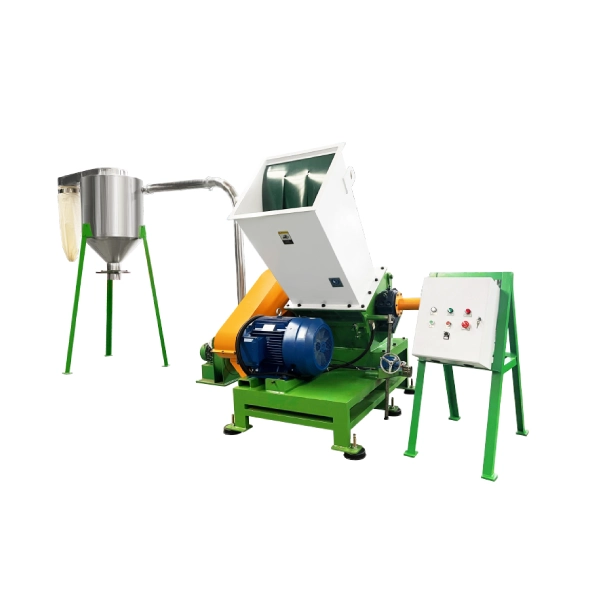
What a Film Granulator Actually Does
At its core, a film granulator shreds, washes, dries, and melts plastic film, then extrudes it into small uniform pellets. The output — sometimes called recycled plastic granules — can be fed back into production lines for lower-grade plastic products like trash bags, irrigation pipes, or construction sheeting.
The process sounds simple, but agricultural mulch film presents specific challenges. It’s usually thin (around 0.01–0.02mm), heavily soiled, and often mixed with other debris. A granulator designed for clean industrial film won’t handle this well. Equipment built specifically for agricultural film recycling includes pre-washing and friction-drying stages to deal with contamination before the material ever reaches the extruder.
Types of Film Granulator Used in Mulch Film Recycling
Wet Process Granulators
These machines wash the film during or before granulation. They’re better suited for heavily contaminated mulch film — the kind pulled straight from the field with soil, roots, and moisture still attached. The washing stage removes most of the debris before the material is melted.
Dry Process Granulators
Dry granulators skip the water washing stage and rely on friction and heat to clean and process the film. Paired with a side-opening plastic crusher, they’re more compact and easier to operate, but they work best with relatively clean film. For mulch film that’s been pre-cleaned or comes from controlled environments, this can be a reasonable option matched with a side-opening plastic crusher for efficient pre-shredding.
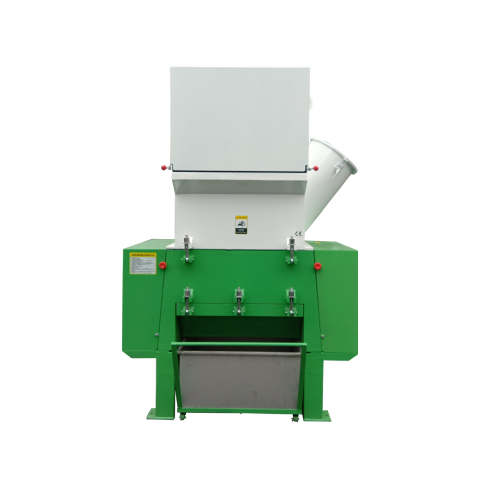
Integrated Recycling Lines
For higher-volume operations, a standalone film granulator is often part of a larger integrated line that includes:
Shredding or pre-cutting equipment
Washing tanks and friction dryers
The granulator/extruder unit
Pellet cooling and packaging systems
| Typ | Am besten für | Water Required | Output Quality |
|---|---|---|---|
Wet process granulator | Heavily soiled mulch film | Yes | Hoch |
Dry process granulator | Pre-cleaned or lightly soiled film | No | Mäßig |
Integrated recycling line | High-volume commercial operations | Yes | Hoch |
Key Factors When Choosing a Film Granulator
Picking the right machine isn’t just about price. A few things tend to matter more in practice:
Contamination level of the input material — heavily soiled film needs a wet process system; cleaner film gives more flexibility.
Throughput requirements — smaller operations can manage with a compact single-stage granulator; larger facilities need a full line.
Output pellet quality — if the pellets are being sold to manufacturers, consistency and cleanliness matter; if they’re being used internally, standards may be lower.
Energy consumption — granulators run continuously and power costs add up; efficiency ratings are worth comparing across models.
FAQ
Can a standard plastic granulator handle agricultural mulch film?
Standard granulators are designed for thicker, cleaner plastic. Mulch film’s thinness and soil contamination require specialized feeding mechanisms and washing stages that most general-purpose machines don’t include.
What happens to the pellets produced by a film granulator?
They’re typically sold to manufacturers who use recycled plastic in lower-grade products — things like agricultural pipes, plastic bags, or construction film. The pellet quality determines which applications they’re suitable for.
How much mulch film can a typical granulator process per hour?
It varies considerably by model and configuration. Compact single-unit machines might handle 100–200 kg/hour; larger integrated lines can reach 500 kg/hour or more. Actual throughput also depends on contamination level and moisture content of the input material.

 German
  English
  Spanish
  Russian
  Portuguese
  French
  Arabic
  Japanese