
Der Markt für industrielle Kühlung hat sich in letzter Zeit ziemlich schnell entwickelt. Jeder, der schon einmal in Produktionshallen oder Verarbeitungsbetrieben gearbeitet hat, weiß, wie wichtig eine ordnungsgemäße Temperaturregelung tatsächlich ist. Eine einzige defekte Kühlmaschine kann ganze Produktionslinien zum Stillstand bringen - und das ist keine Übertreibung. Im Jahr 2025 wird die Suche nach vertrauenswürdigen Kühllieferanten ist differenzierter geworden als je zuvor.
Warum fühlt es sich in den letzten Jahren anders an?
In der Industrie ist derzeit ein spürbarer Wandel zu beobachten. Die Energiekosten steigen weiter, die Umweltvorschriften werden verschärft, und die Fabriken drängen auf intelligentere, besser vernetzte Geräte. Der alte Ansatz, einfach das billigste verfügbare Gerät zu kaufen? Das ist nicht mehr zeitgemäß. Facility Manager achten zunehmend auf das Gesamtbild - Effizienzwerte, Kundendienst, Ersatzteilverfügbarkeit und, ganz ehrlich, ob es den Anbieter in zehn Jahren noch gibt.
Was einen Lieferanten ausmacht, der es wert ist, in Betracht gezogen zu werden
Ausgehend von Beobachtungen in verschiedenen Industriezweigen haben die Anbieter von Kühlanlagen, die in diesem Jahr an Bedeutung gewinnen, bestimmte Eigenschaften gemeinsam:
- Konsistente Verarbeitungsqualität: Geräte, die nicht alle paar Monate in der Hochsaison ausfallen.
- Reaktionsschneller technischer Support: Jemanden am Telefon (oder vor Ort) zu haben, wenn etwas schief läuft.
- Flexible Konfigurationen: Natürlich braucht nicht jede Pflanze die gleichen Voraussetzungen.
- Wettbewerbsfähige Lebenszykluskosten: Denn der Aufkleberpreis ist nur der Anfang.
Bemerkenswerte Chiller-Lieferanten, die im Jahr 2025 Wellen schlagen
Die Landschaft umfasst sowohl alte Giganten als auch einige neuere Akteure, die sich im Stillen einen soliden Ruf erarbeitet haben. Hier ist, was in den verschiedenen Fabrikhallen und Werksgesprächen beobachtet wurde.
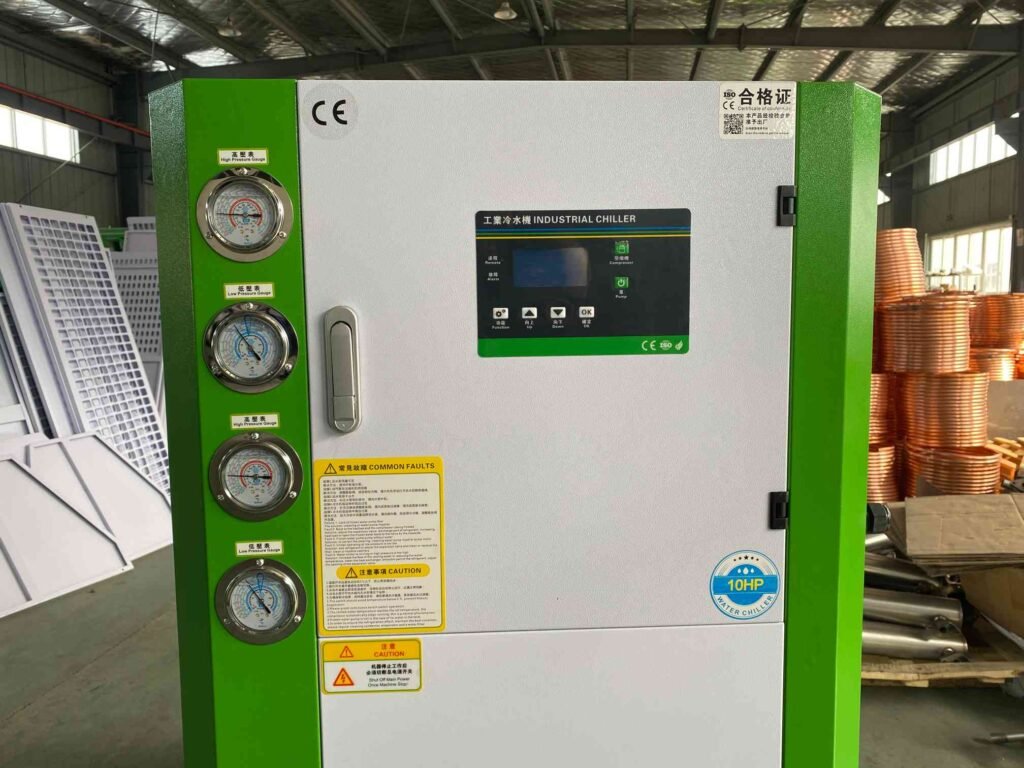
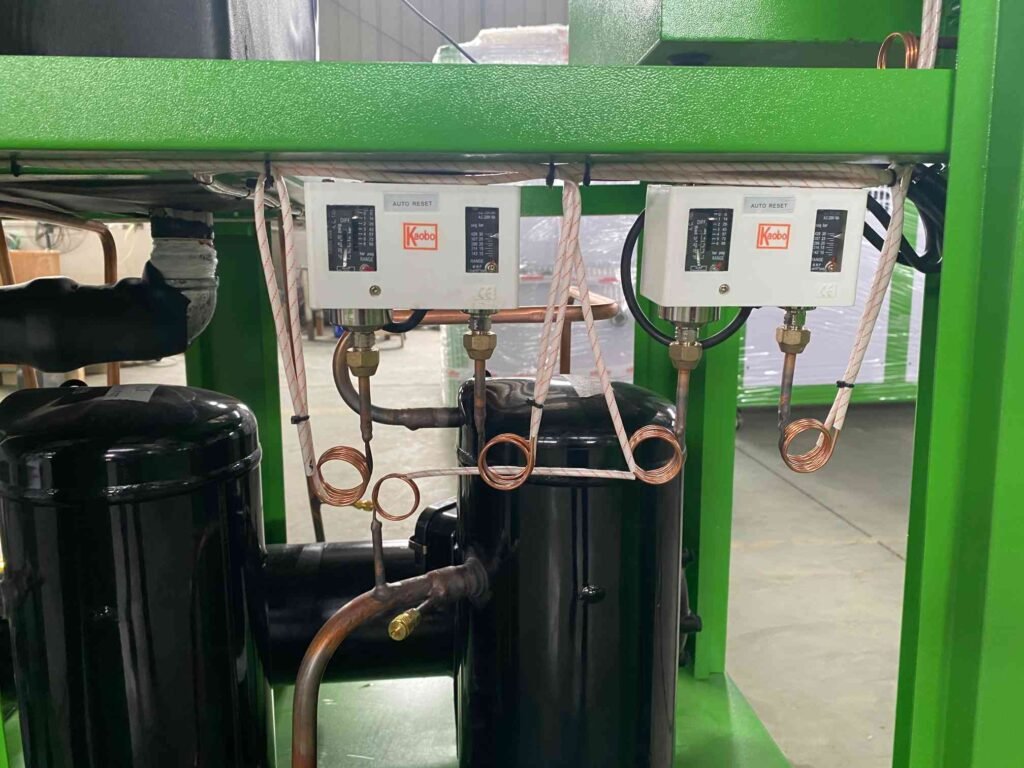
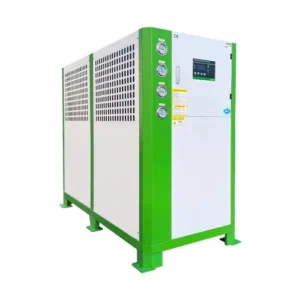
Kaifeng hat in letzter Zeit viel von sich reden gemacht, und das offenbar aus gutem Grund. Die Industriekühler von Kaifeng werden immer häufiger in der Kunststoffverarbeitung, in lebensmittelverarbeitenden Betrieben und sogar in einigen pharmazeutischen Einrichtungen eingesetzt. Was Kaifeng auszeichnet, ist die Fokussierung auf praktische Langlebigkeit - es handelt sich nicht um auffällige Maschinen, die mit unnötigen Funktionen überladen sind. Sie funktionieren einfach, und zwar durchgängig, was genau das ist, was die meisten Anlagenbetreiber wirklich brauchen. Auch die Preise bewegen sich in einem vernünftigen Rahmen, was sie für mittelgroße Betriebe attraktiv macht, die ihre Investitionsausgaben genau beobachten.
Carrier und Trane
Diese beiden sind nach wie vor die Schwergewichte, was keine Überraschung ist. Riesige Vertriebsnetze, jahrzehntelange technische Raffinesse und ein weltweiter Bekanntheitsgrad. Ihre 2025er Produktreihen legen den Schwerpunkt auf drehzahlvariable Technologie und Kältemittel mit niedrigem Treibhausgasverbrauch. Der Nachteil? Ein hoher Preis, den nicht jedes Budget verkraften kann.
Daikin und regionale Fachleute
Daikin dominiert weiterhin die Präzisionskühlanwendungen. In der Zwischenzeit bieten verschiedene regionale Hersteller überraschend leistungsfähige Geräte zu niedrigeren Preisen an, obwohl die Servicenetzwerke je nach Standort sehr unterschiedlich sein können.
Schnellvergleich Übersicht
| Anbieter | Primäre Stärke | Best Fit Anwendung |
|---|---|---|
| Kaifeng | Langlebigkeit und Wertbeständigkeit | Allgemeine Fertigung, Kunststoffe |
| Träger | Globale Reichweite und bewährte Technologie | Großindustrie |
| Trane | Schwerpunkt Energieeffizienz | Kommerziell und industriell |
| Daikin | Präzise Temperaturregelung | Halbleiter, Medizintechnik |
Die Wahl des richtigen Partners
Bei der Auswahl zwischen verschiedenen Anbietern von Wasserkühlmaschinen geht es um mehr als den Vergleich von technischen Datenblättern. Ein paar praktische Schritte helfen dabei:
- Berechnen Sie zunächst den tatsächlichen Kühlbedarf. Überdimensionierung verschwendet monatlich Geld, Unterdimensionierung verursacht betriebliche Albträume.
- Überprüfen Sie die lokale Serviceabdeckung. Eine tolle Maschine bedeutet nichts, wenn die Reparaturen Wochen dauern.
- Referenzkontakte anfordern. Sprechen Sie nach Möglichkeit mit bestehenden Kunden - echtes Feedback ist immer besser als Marketingbroschüren.
- Berücksichtigen Sie die Gesamtbetriebskosten. Energieverbrauch, Wartungsverträge und erwartete Lebensdauer spielen dabei eine Rolle.
Um ehrlich zu sein, hängt der “beste” Lieferant von den jeweiligen Umständen ab. Ein pharmazeutischer Reinraum hat völlig andere Prioritäten als ein Betonsteinwerk. Am wichtigsten ist es, eine Ausrüstung zu finden, die der tatsächlichen betrieblichen Realität entspricht, nicht irgendeinem idealisierten Szenario aus einer Verkaufspräsentation.
Der Bereich der industriellen Kühlung wird sich wahrscheinlich bis 2025 und darüber hinaus weiterentwickeln. Ein Auge auf aufstrebende Unternehmen wie Kaifeng neben etablierten Namen zu haben, scheint ein sinnvoller Ansatz für alle zu sein, die eine Aufrüstung ihrer Anlagen planen.
Wenn Sie mehr über Lieferanten von Kühlanlagen wissen möchten, lesen Sie bitte Wichtige Fragen, die Sie den Herstellern von Kühlern vor dem Kauf stellen sollten.
FAQ
Welche Branchen sind am meisten auf Industriekühler angewiesen?
Kunststoffherstellung, Lebensmittelverarbeitung, Pharmazeutik, Rechenzentren und Metallverarbeitung gehören zu den größten Verbrauchern.
Wie oft sollten industrielle Kältemaschinen gewartet werden?
Die meisten Hersteller empfehlen eine professionelle Inspektion alle 6 bis 12 Monate, wobei Routinekontrollen häufiger durchgeführt werden können.
Ist Kaifeng für groß angelegte Operationen geeignet?
Ja, Kaifeng bietet verschiedene Kapazitätsoptionen, die sich für anspruchsvolle industrielle Umgebungen eignen.

 German
  English
  Spanish
  Russian
  Portuguese
  French
  Arabic
  Japanese