Purchasing a chiller represents a significant investment. Whether for industrial cooling, HVAC applications, or process temperature control, the decision involves more than comparing price tags. The relationship with chiller manufacturers matters as much as the equipment itself. Asking the right questions upfront helps avoid costly mistakes—undersized units, inadequate support, or hidden expenses that surface only after installation.
This guide covers the essential questions buyers should raise before committing to a purchase. From technical specifications to warranty terms, these inquiries help clarify what to expect and reduce the risk of regret down the road.

Understanding Your Cooling Requirements
Before approaching chiller manufacturers, having a clear picture of cooling needs is essential. Vague requirements lead to mismatched recommendations. But even with solid internal assessments, manufacturers should help validate assumptions.
What information do you need to recommend the right chiller?
Reputable chiller manufacturers will ask detailed questions about the application. They should want to know:
• Required cooling capacity (in tons or kW)
• Ambient temperature ranges at the installation site
• Process fluid type and flow rates
• Operating hours and load variations
• Space constraints and installation environment
If a manufacturer jumps straight to a quote without gathering this information, that’s a red flag. Proper sizing requires understanding the application, not just pushing standard models.
Can you help with load calculations?
Not every buyer has engineering resources to calculate precise cooling loads. Some chiller manufacturers offer technical support for this, walking through heat sources, process parameters, and safety margins. Others expect buyers to arrive with exact specifications.
Clarifying this early helps set expectations. A manufacturer willing to assist with calculations often provides better long-term support overall.
Technical Specifications and Customization
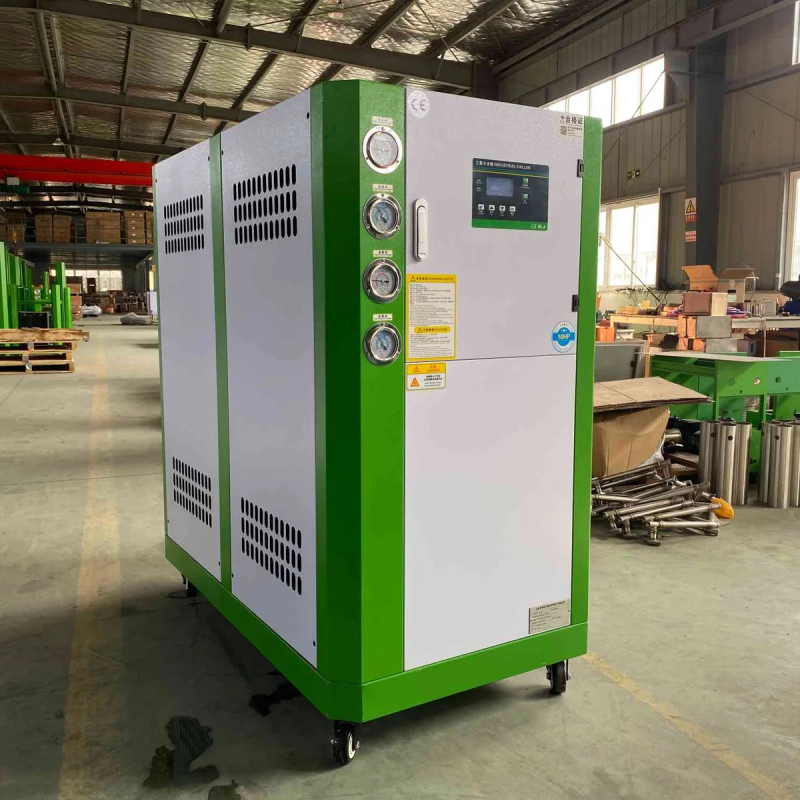
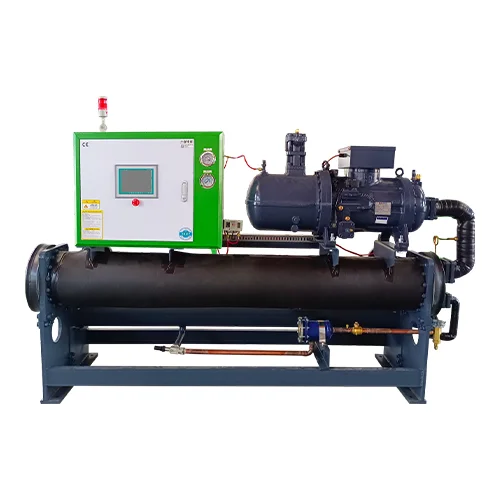
Chillers come in various configurations—air-cooled, water-cooled, scroll compressors, screw compressors, and more. Standard models may or may not fit specific applications.
What types of chillers do you offer?
Understanding the product range helps narrow options. Key questions include:
1. Do you manufacture air-cooled and water-cooled units?
2. What compressor types are available (scroll, screw, centrifugal)?
3. What refrigerant options are offered?
4. Are low-temperature or high-temperature models available?
The table below summarizes common chiller types and their typical applications.
| チラータイプ | 冷却方法 | Common Applications | Key Considerations |
|---|---|---|---|
| 空冷式 | Ambient air | Small to mid-size facilities, outdoor installation | No cooling tower needed, higher ambient sensitivity |
| 水冷式 | Cooling tower or water source | Large facilities, consistent high loads | Higher efficiency, requires water infrastructure |
| Scroll compressor | Various | Light commercial, small industrial | Lower capacity range, quieter operation |
| Screw compressor | Various | Medium to large industrial | Higher capacity, good part-load efficiency |
| Centrifugal | Various | Very large installations | Highest capacity, excellent efficiency at scale |
Not every manufacturer covers all categories. Some specialize in specific types or capacity ranges.
Can specifications be customized?
Standard configurations don’t always match unique requirements. Ask whether modifications are possible:
• Non-standard voltages or electrical configurations
• Special coatings for corrosive environments
• Custom control panels or communication protocols
• Specific refrigerant requirements for regulatory compliance
Customization often affects lead time and pricing, so understanding limits and costs early helps with planning.
What control systems are included?
Modern chillers rely on sophisticated controls for efficiency and monitoring. Questions worth raising include:
• What type of controller comes standard?
• Are remote monitoring capabilities available?
• Can the chiller integrate with building management systems (BMS)?
• What data logging and diagnostic features are included?
Some chiller manufacturers offer basic controls as standard with advanced options as upgrades. Others include comprehensive controls in the base package.
Energy Efficiency and Operating Costs
Energy consumption represents the largest ongoing cost for most chiller installations. Efficiency ratings and real-world performance deserve careful attention.
What efficiency ratings do your units achieve?
Efficiency metrics vary by chiller type. Common measures include:
• COP (Coefficient of Performance)
• EER (Energy Efficiency Ratio)
• IPLV (Integrated Part Load Value)
• SEER (Seasonal Energy Efficiency Ratio)
Ask for specific ratings and how they compare to industry standards. Also clarify whether quoted figures represent ideal conditions or realistic operating scenarios.
How does part-load efficiency perform?
Chillers rarely operate at full capacity continuously. Most run at varying loads depending on conditions. Part-load efficiency often matters more than peak efficiency for total energy costs.
Inquire about:
• Variable speed drive options for compressors and fans
• Staging strategies for multi-compressor units
• Turndown ratios and minimum operating loads
Manufacturers focused on energy performance will have detailed answers here. Those pushing only full-load specifications may not prioritize real-world efficiency.
Comparing chiller types for efficiency
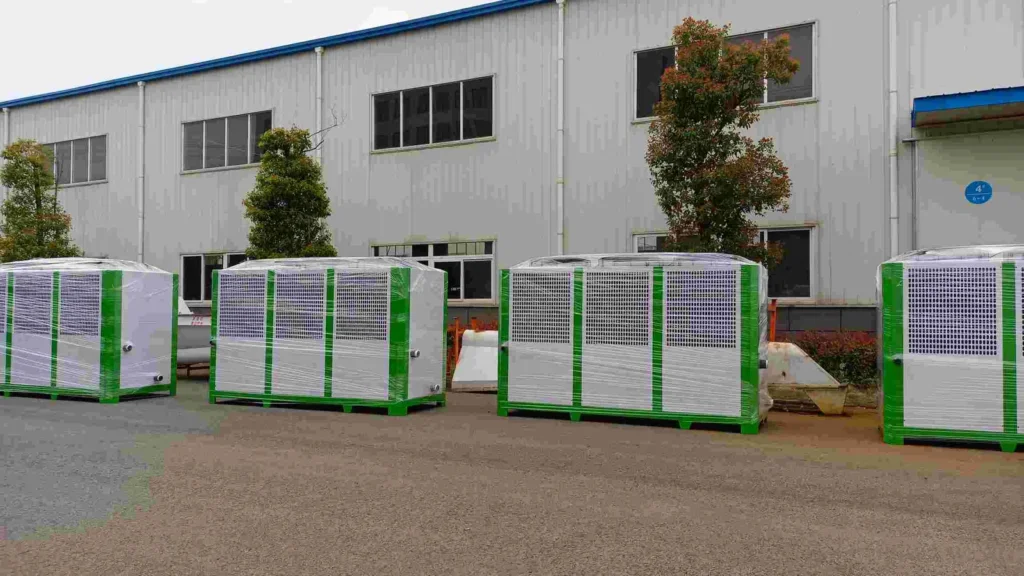
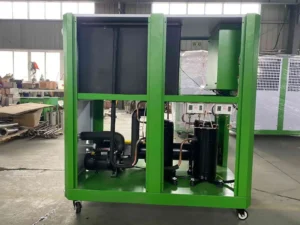
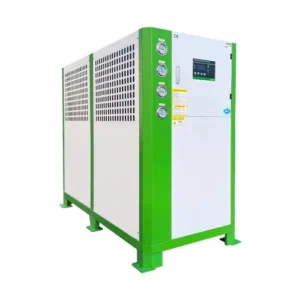
The choice between cooling methods significantly impacts long-term operating costs. For facilities with large, consistent cooling demands, a water-cooled chiller often delivers superior efficiency, though the infrastructure requirements are more substantial. For installations where simplicity matters, water availability is limited, or outdoor placement is preferred, an 空冷式チラー offers a practical alternative with lower installation complexity.
Quality Assurance and Manufacturing Standards
Quality varies between producers. Some chiller manufacturers maintain rigorous standards; others cut corners that become apparent only after installation.
Where are units manufactured?
Production location affects quality control, lead times, and support accessibility. Some manufacturers produce domestically; others import from overseas facilities. Neither is inherently better, but understanding the supply chain helps assess reliability.
What testing does each unit undergo?
Quality assurance steps worth confirming include:
• Factory run testing before shipment
• Pressure and leak testing
• Electrical safety verification
• Performance verification against specifications
Request documentation of testing procedures. Some manufacturers provide test reports with each unit; others offer them only upon request.
What certifications does the equipment carry?
Depending on jurisdiction and application, certain certifications may be required:
• UL or ETL listing (North America)
• CE marking (Europe)
• ASHRAE compliance
• Pressure vessel certifications
Confirm that necessary certifications are in place before purchasing, especially for installations subject to inspection.

Warranty and After-Sales Support
Support structures differ widely among chiller manufacturers. A lower price sometimes comes with minimal warranty coverage or slow service response.
What warranty terms are offered?
Standard chiller warranties typically cover one to two years on parts and labor, with extended coverage available for compressors (sometimes up to five years). Key questions include:
• What components are covered and for how long?
• Are there exclusions or conditions that void coverage?
• Does the warranty include labor and travel, or parts only?
• Are extended warranty options available?
What service and support resources are available?
After-sales support matters for maintenance, troubleshooting, and repairs. Ask about:
1. Availability of factory-trained technicians in your area
2. Response time commitments for service calls
3. Remote diagnostic and support capabilities
4. Spare parts availability and lead times
Some manufacturers maintain extensive service networks; others rely on third-party distributors or contractors. Knowing the support structure helps anticipate future service experiences.
Is operator training provided?
Proper operation extends equipment life and maintains efficiency. Some chiller manufacturers include startup training; others offer it as an optional service. Clarify what’s included and what costs extra.
Pricing, Payment, and Lead Times
Cost matters, but the cheapest option isn’t always the best value. Understanding total cost of ownership requires looking beyond the purchase price.
What is included in the quoted price?
Request detailed quotes that clearly specify:
• Base unit price
• Included accessories and options
• Freight and delivery charges
• Startup and commissioning services
• Training and documentation
Hidden extras can significantly inflate final costs. Getting everything itemized prevents surprises.
What are the payment terms?
Common arrangements include:
• Full payment upfront
• Deposit plus progress payments
• Net 30 or net 60 terms for qualified buyers
• Leasing or financing options
Clarify which options are available and any associated conditions.
What is the typical lead time?
Production and delivery timelines vary based on:
• Standard versus custom configurations
• Manufacturing capacity and backlog
• Shipping distance and method
Stock units may ship within days; custom orders might take several months. Factor lead times into project schedules carefully.
Installation and Startup Considerations
Getting a chiller from factory to operational status involves more than just delivery.
What installation support do you provide?
Some chiller manufacturers offer turnkey installation; others supply equipment only. Ask about:
• Installation guidelines and documentation
• Foundation and connection requirements
• Recommended contractors or installers
• Startup and commissioning services
When installing a 水冷式チラー, additional considerations include cooling tower placement, condenser water piping, and water treatment requirements—factors worth discussing with the manufacturer early in the planning process.
What documentation comes with the unit?
Essential documentation includes:
• Installation manuals
• Operation and maintenance guides
• Wiring diagrams and piping schematics
• Parts lists and service manuals
Confirm that comprehensive documentation is provided, preferably in both print and digital formats.

Building a Long-Term Relationship
A chiller purchase often begins a relationship spanning years or decades. Evaluating manufacturers as potential long-term partners pays dividends.
How long have you been in business?
Established chiller manufacturers bring experience, stability, and proven track records. Newer entrants may offer competitive pricing but carry more uncertainty about long-term support.
Do you offer maintenance agreements?
Preventive maintenance extends equipment life and catches problems early. Ask whether the manufacturer offers service contracts and what they include—routine inspections, priority service, discounted parts, and similar benefits.
よくあるご質問
How do you determine the right chiller size for an application?
Calculate total heat load, consider safety margins, and account for ambient conditions; reputable chiller manufacturers assist with this process.
What is the typical lifespan of an industrial chiller?
With proper maintenance, quality chillers typically last 15 to 25 years depending on application and operating conditions.
Can existing chillers be retrofitted with new refrigerants?
Some units can be retrofitted, but compatibility depends on design; consult with chiller manufacturers about specific models and options.