
Finding reliable chiller suppliers has become more challenging—and more important—than ever. The industrial cooling market keeps expanding, with new players entering alongside established names. Some deliver exceptional equipment; others fall short once the sale closes. Sorting through options takes time, but the effort pays off when equipment runs smoothly years later.
This overview examines what distinguishes leading chiller suppliers in 2025 and what buyers should consider when evaluating potential partners.
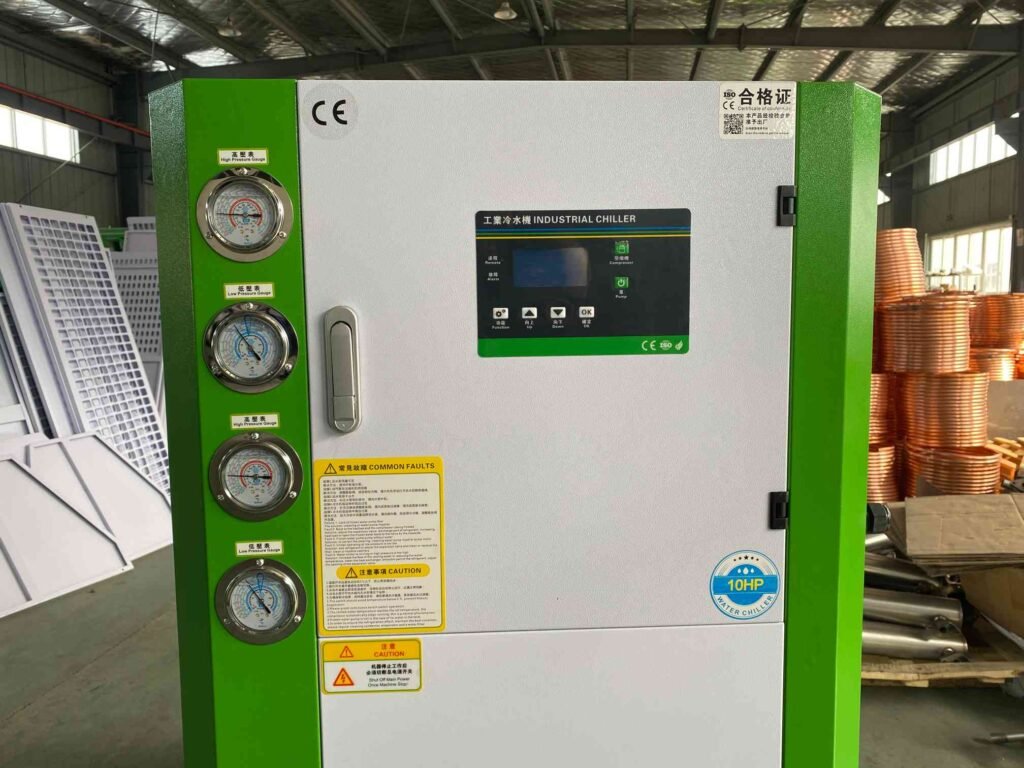
What Makes a Chiller Supplier Stand Out
Not all chiller suppliers operate the same way. Some focus purely on price; others emphasize engineering support and long-term relationships. The best ones tend to balance both—competitive pricing without sacrificing quality or service.
Key factors worth evaluating
Several characteristics separate top-tier suppliers from average ones:
• Manufacturing capabilities and quality control processes
• Range of products covering different applications
• Technical support before and after purchase
• Warranty terms and spare parts availability
• Response times for service requests
A supplier might excel in one area while lacking in another. That’s pretty common, actually. The goal is finding one whose strengths align with specific needs.
Types of Chiller Suppliers
The market includes various supplier types, each with distinct advantages.
| Supplier Type | Typical Strengths | Potential Drawbacks |
|---|---|---|
| Direct manufacturers | Better pricing, direct communication | May lack local service presence |
| Regional distributors | Local support, faster response | Higher markup on equipment |
| OEM partners | Customization options | Longer lead times |
| Trading companies | Broad product access | Variable quality control |
Choosing between these depends on project requirements, budget constraints, and how much ongoing support matters.
Direct manufacturers
Working directly with manufacturers often means lower costs since there’s no middleman markup. Many chiller suppliers who manufacture their own equipment can also customize specifications more readily. The tradeoff? Service networks may be limited depending on location.
Distributors and representatives
Local distributors bring proximity advantages—faster response, easier communication, sometimes existing relationships that smooth the process. They typically stock common models and parts. Pricing runs higher, though, and technical depth varies considerably between distributors.
Evaluating Supplier Capabilities
Before committing to any chiller suppliers, some due diligence helps avoid problems later.
Questions to ask during evaluation
How long has the company been supplying chillers?
2. What industries do they primarily serve?
3. Can they provide references from similar applications?
4. What testing occurs before equipment ships?
5. Where are service technicians located?
These questions reveal a lot about operational maturity. Newer suppliers aren’t necessarily problematic, but experience does matter when things go wrong.
Checking product range
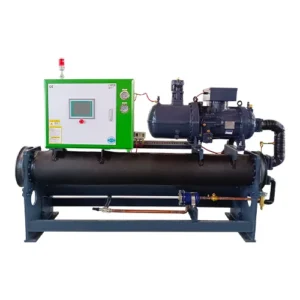
Versatile chiller suppliers typically offer both air-cooled chiller and water-cooled chiller options. This flexibility suggests broader engineering capability and means one supplier can potentially handle multiple facility needs rather than piecing together equipment from different sources.
Red Flags to Watch For
Some warning signs suggest a supplier might cause headaches:
• Reluctance to share manufacturing details or test reports
• Unusually low prices without clear explanation
• Vague warranty terms or excessive exclusions
• Slow responses during the sales process (often worse after)
• No local service options or unclear support structure
None of these automatically disqualifies a supplier, but multiple red flags together warrant caution.
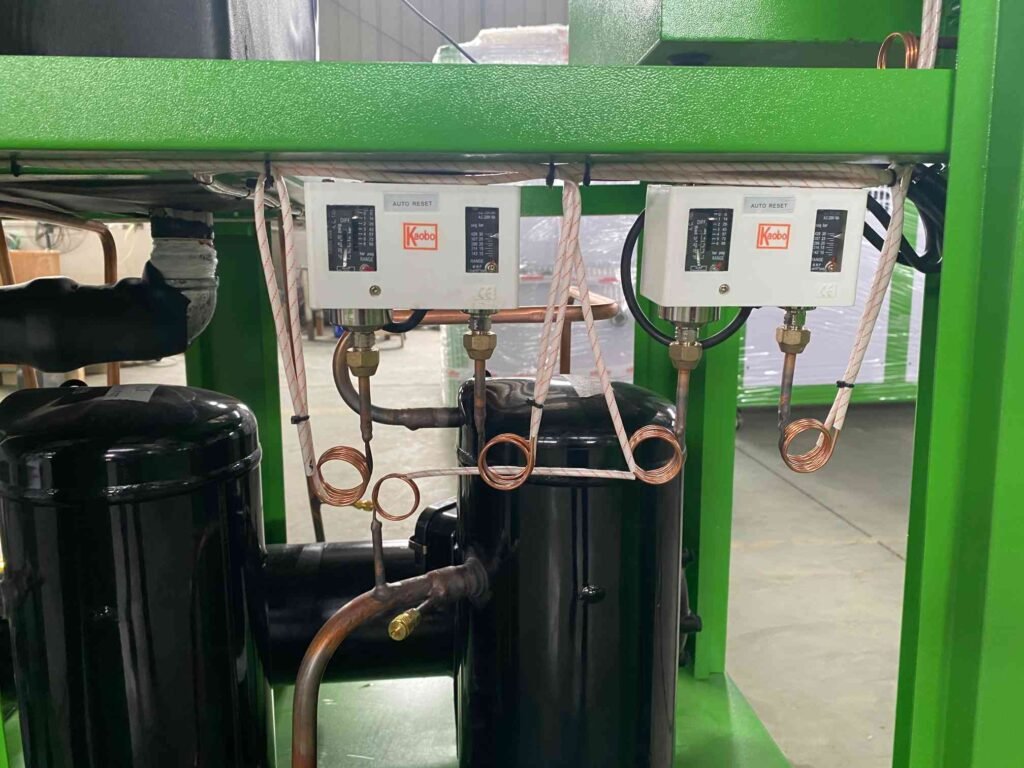
Building Long-Term Supplier Relationships
The best outcomes often come from treating supplier selection as a relationship decision rather than a one-time transaction. Chiller suppliers who invest in customer success—through training, maintenance programs, and responsive support—deliver value extending well beyond the initial purchase.
Equipment will eventually need service. Parts will wear. Having a supplier who answers the phone and solves problems efficiently makes a real difference over a chiller’s 15-20 year lifespan.
If you want to know more about chiller suppliers, please read Key Questions to Ask Chiller Manufacturers Before Buying.
FAQ
How do I verify a chiller supplier’s reliability?
Request references, check industry certifications, and ask about warranty claim processes.
Should price be the main factor when choosing chiller suppliers?
No—total cost including efficiency, maintenance, and support matters more than purchase price alone.
Can smaller suppliers compete with major brands?
Often yes, particularly on customization, pricing flexibility, and personalized service.

 English
  Spanish
  Russian
  Portuguese
  French
  Arabic
  Japanese
  German