
Los sistemas de refrigeración industrial suelen funcionar silenciosamente en segundo plano hasta que algo empieza a ir mal. Para entonces, el problema suele ser mayor de lo esperado. Una rutina de mantenimiento bien planificada para un Enfriadoras industriales no sólo evita averías, sino que ayuda a mantener la producción estable, el consumo de energía bajo control y la vida útil de los equipos más larga de lo que sería de otro modo. Esta parte es fácil de pasar por alto, sobre todo en plantas con mucho trabajo donde “más tarde” puede convertirse en la configuración por defecto.
Por qué es importante el mantenimiento preventivo de una enfriadora industrial
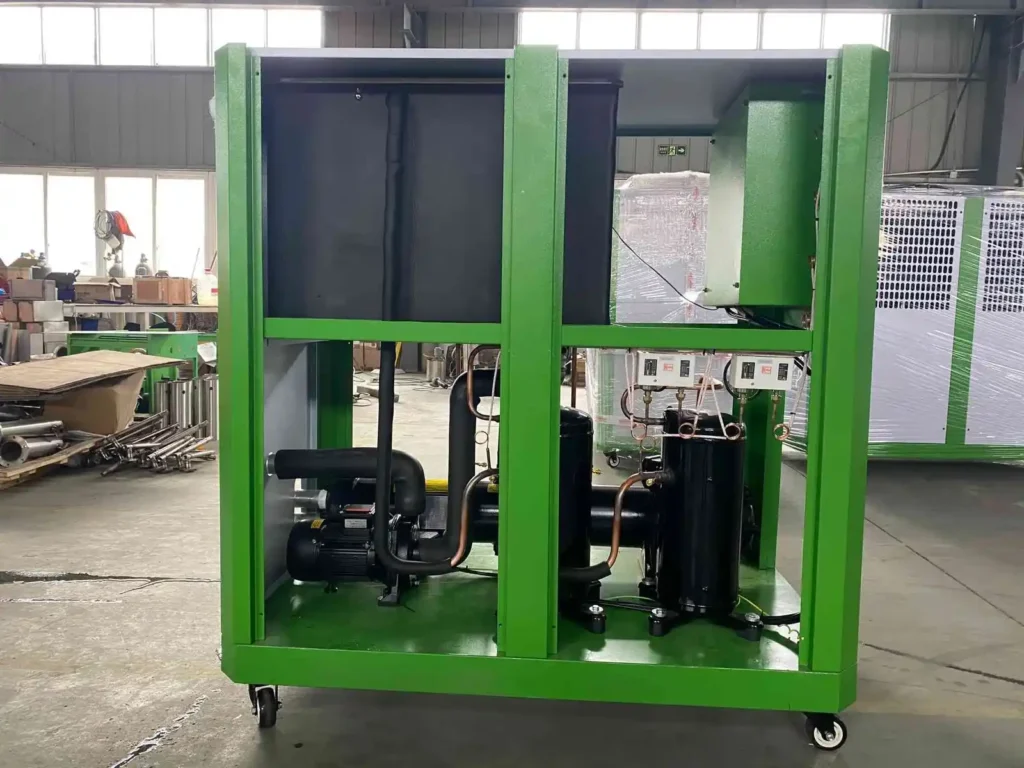
Un enfriador industrial no es un elemento utilitario más. Afecta directamente a la consistencia del proceso, a la calidad del producto y, en muchos casos, al ritmo de toda la instalación. Cuando el rendimiento de la refrigeración disminuye, aunque sea ligeramente, los efectos pueden aparecer en lugares extraños: producción más lenta, facturas de electricidad más elevadas y más tensión en los sistemas conectados.
Lo que suele ocurrir es bastante familiar. Una enfriadora empieza a consumir más energía que antes, las temperaturas se desvían y los operarios se adaptan al problema en lugar de solucionarlo. Esto puede funcionar durante un tiempo, pero no mucho. El mantenimiento preventivo ayuda a detectar a tiempo esos cambios lentos, antes de que se conviertan en costosas interrupciones.
Áreas básicas de mantenimiento que merecen atención
Hay algunas partes del sistema que merecen revisiones periódicas porque influyen mucho en el rendimiento.
Comprobaciones de refrigerante y presión
Merece la pena vigilar de cerca el nivel de refrigerante, la estabilidad de la carga y las tendencias de la presión. Una lectura inusual puede no significar mucho por sí sola, pero las desviaciones repetidas suelen apuntar a algo real. Las fugas, los bloqueos o los problemas de control suelen comenzar con pequeños cambios de presión que es fácil pasar por alto si no se revisan los registros.
Limpieza del intercambiador de calor y del condensador
Con el tiempo, las superficies de transferencia de calor acumulan incrustaciones, polvo y residuos. Una vez que comienza esa acumulación, la enfriadora tiene que trabajar más para alcanzar la misma temperatura objetivo. Ese esfuerzo adicional puede acortar la vida útil de los componentes y aumentar los costes de funcionamiento. La limpieza es una de esas tareas de mantenimiento que parecen rutinarias, pero que a menudo suponen la mayor mejora del rendimiento.
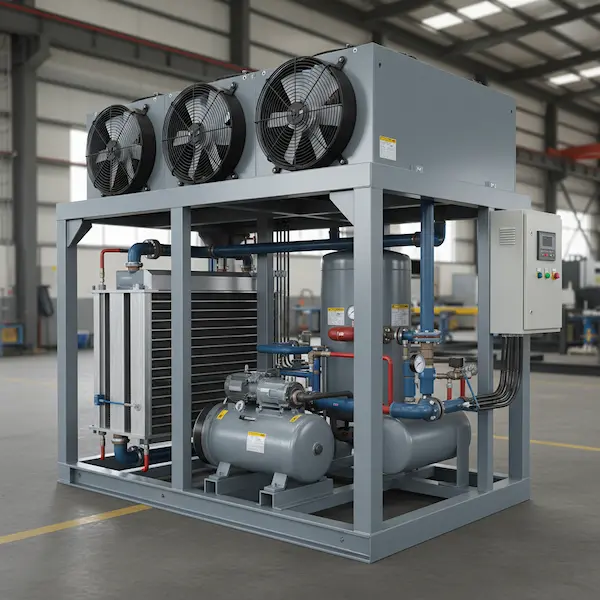
Inspección de bombas, ventiladores y motores
Estas piezas móviles suelen dar señales de advertencia antes de fallar. El desgaste de los rodamientos, las vibraciones, los montajes sueltos y los problemas eléctricos suelen manifestarse en forma de ruidos sutiles o un funcionamiento irregular. Una inspección rápida puede evitar una parada posterior, que es el tipo de compensación que se supone que el mantenimiento debe facilitar.
Tratamiento del agua y control de calidad
La mala calidad del agua puede dañar silenciosamente incluso un sistema bien diseñado. Las incrustaciones, la corrosión y el crecimiento biológico reducen la eficacia y desgastan las superficies internas. Especialmente en los sistemas refrigerados por agua, la composición química del agua es tan importante como la de los componentes mecánicos. No es algo glamuroso, pero es esencial.
Calendario práctico de mantenimiento preventivo
Un plan sencillo facilita el mantenimiento. No tiene por qué ser complicado; de hecho, los planes demasiado complicados suelen ser ignorados.
| Intervalo | Tareas típicas | Por qué es importante |
|---|---|---|
| Diario | Compruebe temperaturas, presiones, alarmas y ruidos inusuales. | Capta a tiempo los cambios bruscos |
| Semanal | Inspección de fugas, verificación de filtros, revisión de registros básicos de funcionamiento | Ayuda a detectar el declive lento |
| Mensualmente | Limpie los componentes accesibles, examine las correas y las conexiones eléctricas. | Reduce el desgaste y la pérdida de eficacia |
| Trimestral | Comprobar los niveles de vibración, inspeccionar los controles, revisar el tratamiento del agua | Funcionamiento estable a largo plazo |
| Anualmente | Servicio completo del sistema, calibrado, limpieza a fondo, pruebas de rendimiento | Prolonga la vida útil de los equipos y mejora su fiabilidad |
Este tipo de ritmo funciona mejor cuando se convierte en parte de las operaciones normales en lugar de una tarea “extra” aparte. Las plantas que mantienen registros de forma sistemática tienden a notar antes los patrones, que es a menudo donde se producen los verdaderos ahorros.
Señales de advertencia de que el enfriador necesita atención inmediata
Algunos problemas merecen una respuesta más rápida de lo que permite un ciclo de mantenimiento normal. Las señales de advertencia más comunes son:
- Mayor consumo de energía sin una razón clara
- Ciclos de refrigeración más largos
- Alarmas repetidas o disparos molestos
- Corrosión visible, humedad o fugas
- Vibraciones o traqueteos inesperados
- Capacidad reducida con carga normal
Estos síntomas no siempre significan que un fallo grave esté cerca, pero rara vez desaparecen por sí solos. Si el rendimiento está cambiando, algo en el sistema también está cambiando.
Elegir el diseño de enfriadora adecuado también ayuda al mantenimiento
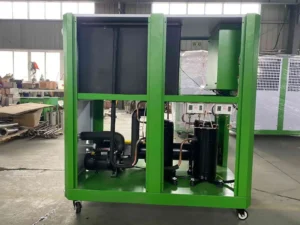
El mantenimiento es más fácil cuando el propio sistema se ha diseñado pensando en la facilidad de mantenimiento. El acceso a los componentes, unas tuberías sencillas y una construcción duradera hacen que el mantenimiento rutinario sea menos molesto. En la práctica, algunas instalaciones enfriadora de tornillo refrigerada por agua ofrece un buen equilibrio entre eficacia y facilidad de mantenimiento para aplicaciones exigentes.
Esto no significa que todas las instalaciones necesiten la misma configuración. Pero una enfriadora que es más fácil de inspeccionar, limpiar y mantener suele mantenerse en mejores condiciones con el paso del tiempo. Es una ventaja práctica, no sólo una preferencia de diseño.
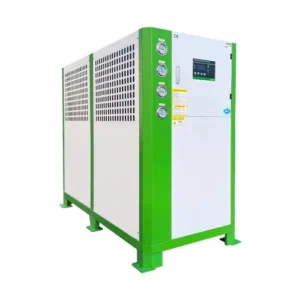
Para las instalaciones que dan prioridad a una instalación más sencilla y a la reducción de la dependencia del sistema de agua, un enfriadora de tornillo refrigerada por aire también puede merecer la pena evaluarlo, especialmente cuando las condiciones estacionales, el espacio o el acceso para el mantenimiento condicionan las decisiones sobre los equipos.
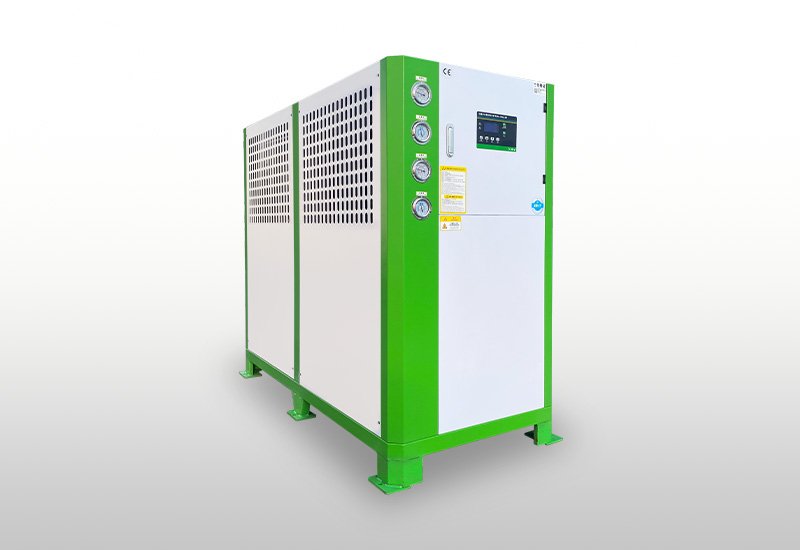
Hábitos de mantenimiento que alargan la vida de los equipos
Los mejores planes de mantenimiento suelen basarse en la coherencia más que en la complejidad. Unos pocos hábitos marcan una diferencia notable:
- Mantenga los registros de funcionamiento y de servicio en un solo lugar.
- Formar a los operarios para que detecten a tiempo los cambios de ruido, presión o temperatura.
- Utilice piezas, fluidos y consumibles compatibles.
- No ignore las pequeñas desviaciones de rendimiento sólo porque la producción sigue en marcha.
- Trate la calidad del agua como parte de la protección del equipo, no como un extra opcional.
También es útil comparar el rendimiento actual con el comportamiento pasado. Una máquina rara vez falla sin dejar pistas antes, y esas pistas suelen estar en los datos.
Errores comunes que hay que evitar
En los entornos industriales se repiten algunos errores:
- Omisión de inspecciones durante los periodos de máxima producción
- Centrarse sólo en las alarmas en lugar de en los cambios graduales de tendencia
- Pasar por alto los efectos de los intercambiadores de calor sucios
- Descuidar el tratamiento del agua porque el sistema “aún funciona”
- Retrasar las pequeñas reparaciones hasta que se convierten en grandes reparaciones
Estos hábitos son bastante comunes, pero también son caros. El mantenimiento preventivo funciona mejor cuando se trata como una protección del tiempo de actividad, no como una tarea secundaria.
Cuando el apoyo profesional tiene sentido
Algunos problemas los resuelven mejor técnicos experimentados, sobre todo cuando se trata de circuitos de refrigerante, sistemas de control o fallos eléctricos. Los diagnósticos complejos suelen requerir herramientas y conocimientos que van más allá de la inspección visual.
Para la planificación de sistemas más amplios, la selección de productos o las decisiones de sustitución, resulta útil revisar toda la gama de enfriadoras industriales y adaptar el sistema al proceso en lugar de forzar el proceso para que se adapte a la máquina. Normalmente es ahí donde el mantenimiento y la fiabilidad a largo plazo empiezan a alinearse.
Si quiere saber más sobre Enfriadora industrial,puede leer Cómo planificar el mantenimiento anual de las enfriadoras industriales
PREGUNTAS FRECUENTES
¿Cómo puede adaptarse la planificación del mantenimiento cuando los calendarios de producción cambian a menudo?
Un plan flexible funciona mejor que uno rígido. Las comprobaciones críticas deben permanecer fijas, pero el servicio no urgente puede programarse en torno a las ventanas de tiempo de inactividad para que el sistema permanezca protegido sin interrumpir las operaciones innecesariamente.
¿Qué hay que controlar además de la temperatura y la presión?
Las vibraciones, el consumo de energía, la frecuencia de las alarmas y el estado del agua son indicadores útiles. Estas tendencias suelen revelar problemas de desarrollo lento antes de que afecten a la capacidad de refrigeración.
¿Existe alguna diferencia en las prioridades de servicio entre el funcionamiento estacional y el anual?
Sí. Los sistemas estacionales suelen necesitar comprobaciones de almacenamiento, inspecciones de puesta en marcha y pruebas previas a la temporada, mientras que los sistemas que funcionan todo el año suelen necesitar un control más continuo del desgaste, las incrustaciones y la estabilidad de funcionamiento.

 Spanish
  English
  Russian
  Portuguese
  French
  Arabic
  Japanese
  German