
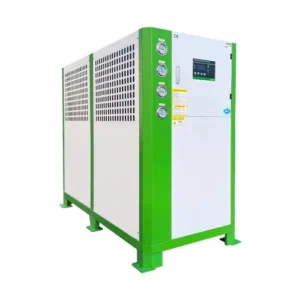
Un refrigerador por agua suele funcionar en segundo plano sin llamar mucho la atención, lo que es conveniente hasta que deja de hacerlo. Las pequeñas señales de problemas tienden a acumularse lentamente: un poco de cal en los tubos, un flujo de agua ligeramente inestable, tal vez un sensor que se desvía lo suficiente como para importar. Nada de esto parece urgente al principio, pero con el tiempo esos pequeños problemas pueden mermar la eficacia y la fiabilidad.
Por eso merece la pena contar con una práctica lista de control de mantenimiento. Ayuda a detectar los problemas silenciosos a tiempo, antes de que se conviertan en problemas que interrumpan la producción, aumenten los costes energéticos o hagan que el sistema resulte impredecible.

Por qué el mantenimiento rutinario importa más de lo que parece
Un enfriador no suele fallar de forma dramática. Lo más frecuente es que primero baje el rendimiento. La refrigeración se vuelve más lenta, los compresores funcionan más tiempo y la máquina empieza a consumir más energía para hacer el mismo trabajo. Este tipo de desviación es fácil de pasar por alto si nadie compara las lecturas actuales con las anteriores.
Esto es válido para una enfriadora de agua en una fábrica, y es igual de relevante para un sistema de refrigeración más amplio. enfriadora industrial en la que el tiempo de inactividad puede afectar a todo el programa de producción. En la práctica, el mantenimiento rutinario no consiste tanto en evitar catástrofes raras como en prevenir ineficiencias lentas y costosas.
Para más información sobre la eficiencia energética y el rendimiento de los equipos, véase Departamento de Energía de EE.UU. tiene material de referencia útil, sobre todo cuando los equipos quieren entender cómo afecta el mantenimiento al coste de explotación a lo largo del tiempo.
Antes de empezar la lista de comprobación: Seguridad y preparación básica
Apagar y aislar correctamente
Antes de iniciar cualquier inspección o limpieza, la unidad debe apagarse y aislarse de acuerdo con el procedimiento del lugar. El bloqueo y etiquetado no es la parte más emocionante del mantenimiento, pero es una de las que previene accidentes evitables. Incluso una máquina que parece inactiva puede entrañar riesgos debido a la presión almacenada, los ajustes de reinicio automático o las superficies calientes.
Reúna las herramientas y los registros adecuados
Un registro de mantenimiento, manómetros, suministros de limpieza y registros de tratamiento del agua deben estar listos antes de abrir el sistema. Los datos de tendencias son especialmente útiles. Una sola lectura puede inducir a error, pero las lecturas repetidas suelen mostrar si el sistema está estable o a la deriva.
Instalaciones que gestionan un atemperadora de moldes suelen llevar registros similares de los equipos relacionados con la temperatura porque un rendimiento térmico constante suele depender de los mismos hábitos: medir, comparar, ajustar.
Lista de mantenimiento de enfriadoras por agua
Inspeccione el caudal y la presión del agua
Empiece por lo básico: caudal, presión de entrada, presión de salida y fugas visibles. El caudal restringido es uno de esos problemas que pueden permanecer ocultos durante un tiempo porque la enfriadora sigue funcionando, solo que no con la misma eficacia que antes.
Busca:
- Caídas repentinas de presión
- Vibraciones inusuales en las tuberías
- Humedad alrededor de racores o juntas
- Bolsas de aire en la línea
- Respuesta incoherente de la temperatura
Si el flujo es inestable, muchos otros síntomas se vuelven más difíciles de interpretar.
Limpie regularmente los tubos del condensador
El ensuciamiento de los tubos del condensador es una de las causas más comunes de los descensos de rendimiento. Las incrustaciones, los residuos y los lodos reducen la transferencia de calor, lo que obliga al sistema a trabajar más. El resultado suele ser una refrigeración más lenta y un mayor consumo de energía.
La frecuencia de limpieza depende de la calidad del agua y de las horas de funcionamiento, pero esperar hasta que el problema sea evidente suele significar que ya está costando más de lo que debería.
Verificar la calidad del agua
Es fácil subestimar la calidad del agua. El pH, la dureza, la conductividad, los inhibidores de corrosión y el crecimiento biológico influyen en el rendimiento del sistema. Un tratamiento deficiente del agua puede provocar incrustaciones, corrosión y una reducción del intercambio de calor, y a menudo lo hace de forma gradual.
Compruebe el evaporador y el lado del refrigerante
El lado del refrigerante debe comprobarse para detectar ciclos anormales, formación de escarcha, inestabilidad de la temperatura y signos de problemas de carga. Una máquina puede parecer que funciona con normalidad mientras pierde eficiencia silenciosamente.
Las señales de advertencia más comunes son:
- Temperatura de alimentación inestable
- Tiempos de extracción más largos
- Ciclismo corto
- Ruido inusual del compresor
- Respuesta deficiente a los cambios de carga
Inspeccionar bombas, motores y correas
Las bombas y los motores son fáciles de pasar por alto hasta que empiezan a hacer ruido o a generar calor excesivo. Los cojinetes se desgastan, las correas se aflojan y la alineación cambia con el tiempo. Nada de esto es inusual, pero merece la pena detectarlo a tiempo.
Compruebe si hay vibraciones, acoplamientos sueltos, sobrecalentamiento y desgaste de las superficies de las correas. A menudo, estos problemas empiezan siendo pequeños y luego resultan más caros de lo necesario.
Examinar los componentes eléctricos
Los problemas eléctricos tienden a ocultarse a plena vista. Los terminales sueltos, la acumulación de polvo, los cables sobrecalentados y los contactores desgastados pueden afectar a la fiabilidad mucho antes de provocar una parada total.
Abre el panel y busca:
- Decoloración
- Marcas de quemaduras
- Acumulación de polvo
- Intrusión de humedad
- Conexiones sueltas
Si el panel huele a caliente o parece húmedo, no debe ignorarse.
Confirmar controles y consignas
Los controles son el punto de partida de muchos comportamientos “casi correctos”. Si los sensores de temperatura se desvían, la enfriadora puede seguir funcionando, pero no con precisión. Un pequeño problema de calibración puede afectar a todo el sistema con el tiempo.
Revise los valores de consigna, las alarmas y las lecturas de los sensores. Si los valores actuales no coinciden con el comportamiento de referencia, eso suele merecer más atención de lo que parece a primera vista.
Filtros y filtros limpios
Los coladores y filtros atrapan los residuos antes de que se propaguen por el sistema. Cuando se obstruyen, disminuye el caudal y aumentan las pérdidas de presión. La enfriadora tiene que trabajar más para mantener la misma producción, y así es como un problema de mantenimiento suele convertirse en un problema de funcionamiento.
Este paso es sencillo, pero suele dar sus frutos rápidamente.
Comprobar la coordinación de la torre de refrigeración
Un sistema refrigerado por agua también depende de la torre de refrigeración, por lo que la enfriadora nunca debe inspeccionarse de forma aislada. El funcionamiento del ventilador, la limpieza del depósito, el estado del relleno y la distribución del agua son todos factores importantes.
Si el lado de la torre tiene problemas, la enfriadora a menudo mostrará síntomas aunque los componentes de refrigeración estén en buen estado.
Tabla de programas de mantenimiento
Un calendario facilita la aplicación de la lista de control en operaciones reales.
| Tarea | Frecuencia | Por qué es importante |
|---|---|---|
| Inspección visual | Diario o semanal | Detecta a tiempo fugas evidentes, ruidos o vibraciones |
| Comprobación del caudal y la presión del agua | Semanal | Confirma la estabilidad de la circulación y el rendimiento de la carga |
| Limpieza del filtro | Semanal o mensual | Evita la restricción del flujo y la acumulación de residuos |
| Revisión del tratamiento del agua | Mensualmente | Reduce la corrosión, la cal y el crecimiento biológico |
| Inspección y limpieza de tubos | Trimestralmente o según sea necesario | Preserva la eficacia de la transferencia de calor |
| Comprobación del cuadro eléctrico | Mensual o trimestral | Ayuda a prevenir fallos evitables |
| Revisión completa del rendimiento | Trimestral o semestral | Muestra una lenta deriva en la eficiencia o la capacidad |
Errores comunes que acortan la vida útil de los enfriadores
Algunos errores de mantenimiento aparecen una y otra vez:
- Saltarse los controles del tratamiento del agua
- Esperar a que se produzca un fallo visible antes de inspeccionar
- Limpiar sólo las partes más accesibles
- Ignorar pequeñas fugas o vibraciones
- Olvidarse de calibrar los sensores
- Tratar la torre de refrigeración como algo independiente de la enfriadora
La mayoría se pueden evitar, lo cual es un poco frustrante, pero también útil. La solución suele ser la coherencia más que la complejidad.
Cuándo llamar a un servicio profesional
Algunos problemas van más allá del mantenimiento rutinario. Si se repiten los problemas de presión, el comportamiento del refrigerante parece inestable o persisten los fallos eléctricos tras las comprobaciones básicas, es hora de recurrir a un técnico cualificado.
Esto es especialmente importante cuando el sistema es compatible con equipos críticos para la producción, como un enfriador industrial que funciona con una carga pesada durante muchas horas. Retrasar el diagnóstico puede convertir un problema manejable en una interrupción mucho mayor.
Para obtener orientación específica del fabricante y consideraciones sobre la sustitución, la información sobre el producto de un proveedor de confianza como el refrigerador por agua page también puede ayudar a los equipos a ajustar las expectativas de servicio al diseño real de los equipos.
Conclusión
Una enfriadora por agua rara vez falla de golpe. Más a menudo, el rendimiento decae poco a poco hasta que las señales son difíciles de ignorar. Por eso es tan útil una lista de comprobación de mantenimiento: mantiene la estabilidad de la máquina, reduce las reparaciones sorpresa y ayuda a que todo el sistema de refrigeración funcione con menos interrupciones.
Las inspecciones periódicas, la limpieza, el tratamiento del agua y la revisión de tendencias pueden no parecer dramáticas, pero suelen marcar la mayor diferencia a largo plazo.
PREGUNTAS FRECUENTES
¿Con qué frecuencia debe inspeccionarse una enfriadora refrigerada por agua en una instalación de gran actividad?
En entornos de uso intensivo, las comprobaciones visuales rápidas suelen ser diarias o semanales, mientras que las inspecciones más profundas suelen ser mensuales o trimestrales. El mejor intervalo depende de la calidad del agua, la carga y la sensibilidad del proceso a los cambios de temperatura.
¿Cuál suele ser la causa de que una enfriadora pierda rendimiento sin que se produzca una alarma clara?
Las causas más comunes son graduales: tubos obstruidos, flujo restringido, tratamiento deficiente del agua y desviación del sensor. Estos problemas suelen desarrollarse con suficiente lentitud como para que las alarmas no salten de inmediato.
¿Puede ajustarse el calendario de mantenimiento a la demanda estacional?
Sí. Los sistemas que se enfrentan a condiciones ambientales más calurosas, cargas de trabajo más pesadas o cambios estacionales en la calidad del agua pueden necesitar comprobaciones más frecuentes. Un programa fijo es útil, pero funciona mejor cuando se ajusta a las condiciones reales de funcionamiento.

 Spanish
  English
  Russian
  Portuguese
  French
  Arabic
  Japanese
  German