
Introducción: Por qué son importantes las enfriadoras de agua
Una enfriadora por agua es uno de esos sistemas que tienden a pasar desapercibidos, pero que silenciosamente tienen una gran responsabilidad. En plantas industriales, torres de oficinas, hospitales e instalaciones de proceso, ayuda a mantener temperaturas estables cuando la carga es pesada y la consistencia importa más que cualquier otra cosa. Por eso se suelen preferir estos sistemas en entornos más grandes o exigentes: suelen ofrecer una gran eficiencia, una refrigeración constante y un diseño capaz de soportar largas horas de funcionamiento sin demasiados sobresaltos.
En comparación con las configuraciones de refrigeración más pequeñas, un diseño refrigerado por agua a menudo se siente más “construido para el largo plazo”. Hay más equipos implicados, sí, pero también más control y a menudo mejor rendimiento cuando la aplicación es seria. Ese equilibrio es parte de la razón por la que el refrigerador por agua sigue siendo una opción tan común en los entornos comerciales e industriales.
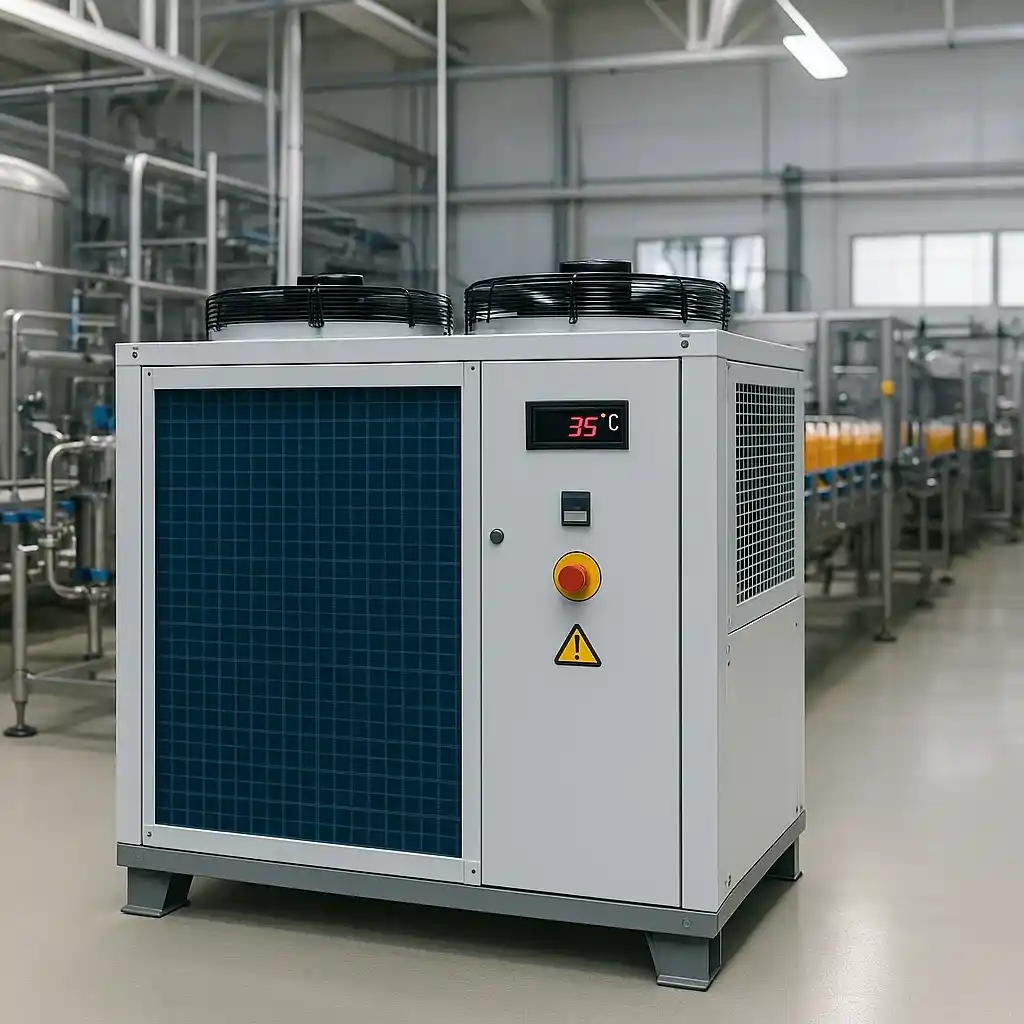
¿En qué se diferencia una enfriadora por agua?
Básicamente, una enfriadora por agua extrae calor de un circuito de proceso o de un edificio y lo transfiere al agua del condensador, que a su vez lo transporta a través de una torre de refrigeración o un sistema similar de evacuación de calor. La disposición parece bastante sencilla, pero el efecto es sustancial: estos sistemas pueden gestionar grandes cargas con una estabilidad impresionante.
A diferencia de las unidades refrigeradas por aire, que expulsan el calor directamente al aire circundante, los sistemas refrigerados por agua se basan en el agua como medio de transferencia de calor. Eso suele significar:
- mayor eficacia con cargas pesadas,
- funcionamiento más silencioso en muchos casos,
- y un diseño que a menudo se adapta mejor a instalaciones más grandes.
Dicho esto, la instalación es más compleja. Suele haber un circuito de agua de condensación, bombas, una torre de refrigeración y consideraciones sobre el tratamiento del agua. Para las instalaciones que ya gestionan los servicios de proceso, esa complejidad suele ser aceptable porque la recompensa puede merecer mucho la pena.
Una mirada más amplia enfriadora industrial deja claro que los diseños refrigerados por agua suelen estar en el centro de entornos de producción exigentes en los que el control de la temperatura no se puede improvisar.
Principales tipos de enfriadoras por agua
No todas las enfriadoras por agua se construyen de la misma manera. La función principal es similar, pero la tecnología del compresor y el diseño del sistema crean diferencias significativas en cuanto a capacidad, eficiencia y mantenimiento.
Enfriadoras centrífugas por agua
Las enfriadoras centrífugas suelen ser la opción más pesada. Suelen seleccionarse para cargas de refrigeración muy grandes, especialmente en grandes edificios comerciales, plantas centrales y grandes instalaciones industriales.
Su atractivo radica en la eficiencia a gran escala. Cuando una instalación necesita un tonelaje considerable, los sistemas centrífugos pueden convertirse en una solución muy práctica. Suelen utilizarse en lugares donde la demanda de refrigeración se mantiene alta durante largos periodos, en lugar de subir y bajar de forma impredecible.
Sin embargo, no siempre son las máquinas más sencillas de manejar. En el entorno adecuado, rinden extraordinariamente bien; en el equivocado, pueden ser más de lo necesario.
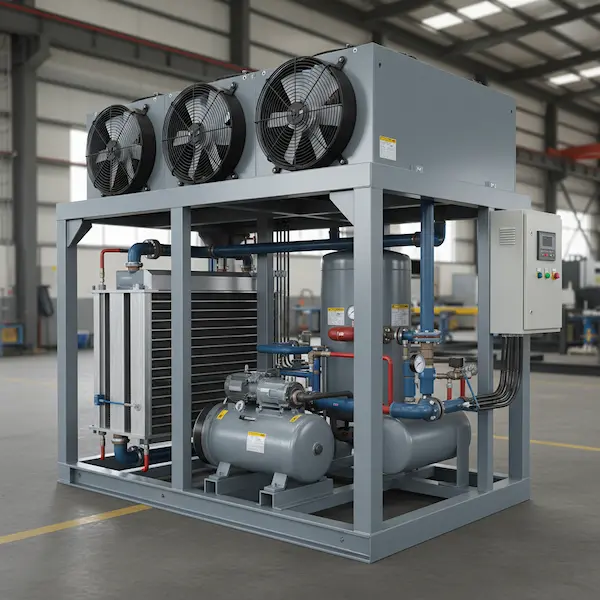
Enfriadoras de tornillo refrigeradas por agua
Las enfriadoras de tornillo son probablemente la opción más equilibrada para muchos usuarios industriales. Son ampliamente respetados por su funcionamiento fiable, buena eficiencia y rendimiento estable en un rango de carga bastante amplio.
A enfriadora de tornillo refrigerada por agua suele ser una solución inteligente cuando la instalación necesita algo robusto pero no sobredimensionado. Son habituales en la fabricación, el procesamiento de plásticos, la producción de alimentos y otras operaciones en las que el control de la temperatura afecta a la calidad del producto o al rendimiento del equipo.
También suelen ser más fáciles de adaptar a la demanda variable que algunos sistemas más grandes. Esta flexibilidad es más importante de lo que a veces se piensa.
Enfriadoras Scroll por agua
Las enfriadoras scroll suelen servir para capacidades más pequeñas. Suelen elegirse para aplicaciones comerciales ligeras o instalaciones que necesitan un rendimiento refrigerado por agua sin la escala de una gran planta industrial.
Tienen fama de funcionar de forma silenciosa y su mantenimiento es relativamente sencillo. En la práctica, esto tiende a hacerlos atractivos para entornos en los que el ruido, el espacio ocupado y la sencillez son importantes. Las oficinas, los laboratorios pequeños y los sistemas de proceso compactos suelen encontrar conveniente este tipo.
Enfriadoras de pistón refrigeradas por agua
Las enfriadoras alternativas son menos comunes que antes, pero siguen apareciendo en algunas instalaciones. Su diseño de compresor existe desde hace mucho tiempo, y en algunos casos siguen siendo una solución viable para cargas de refrigeración más pequeñas o variables.
No suelen ser la primera recomendación para instalaciones nuevas a gran escala, principalmente porque las tecnologías de tornillo y centrífuga han ocupado gran parte de ese espacio. Sin embargo, en entornos antiguos o de modernización, las enfriadoras alternativas pueden seguir siendo relevantes.
Comparación de los tipos más comunes de enfriadoras por agua
| Tipo de enfriador | Rango de capacidad típico | Eficacia | Demanda de mantenimiento | Mejor ajuste |
|---|---|---|---|---|
| Centrífuga | Muy grande | Muy alto a escala | Moderado a alto | Centrales, grandes edificios, instalaciones pesadas |
| Tornillo | Mediana a grande | Alta y estable | Moderado | Producción industrial, refrigeración de procesos |
| Desplácese por | Pequeña a mediana | Bien | Baja | Comercial ligero, sistemas compactos |
| Reciprocante | Pequeño | Feria | Moderado | Sistemas heredados, aplicaciones más pequeñas |
Esta tabla es un punto de partida útil, pero no lo dice todo. El “mejor” tipo de enfriadora depende a menudo del comportamiento diario de la instalación, no sólo de su capacidad nominal.
Cómo elegir el tipo adecuado
Elegir una enfriadora suena técnico, pero en realidad la decisión suele reducirse a algunas cuestiones prácticas. Una buena elección suele equilibrar la carga, el espacio ocupado, la eficiencia y la cantidad de mantenimiento que el equipo puede asumir de forma realista.
Algunos de los factores más importantes son:
- Carga de refrigeración
- Las cargas grandes y constantes suelen justificar los sistemas centrífugos.
- Las cargas industriales medias pueden adaptarse mejor a las enfriadoras de tornillo.
- Las instalaciones más pequeñas pueden funcionar bien con unidades de desplazamiento.
- Espacio disponible
- Los sistemas refrigerados por agua necesitan espacio para torres, tuberías y equipos relacionados.
- Los emplazamientos compactos pueden necesitar un trazado más cuidadosamente planificado.
- Objetivos de eficiencia energética
- Algunas instalaciones se centran más en el coste total de funcionamiento que en el precio de compra inicial.
- Otros priorizan el primer coste y una instalación más sencilla.
- Expectativas de mantenimiento
- No hay que subestimar el tratamiento del agua, el mantenimiento de las torres y las inspecciones periódicas.
- Algunos tipos de enfriadoras son más fáciles de mantener que otros.
- Tipo de aplicación
- Un entorno de oficina limpio, un taller de moldeo de plásticos y una planta de procesamiento de alimentos no tienen las mismas prioridades de refrigeración.
- La unidad adecuada suele reflejar el proceso, no sólo el edificio.
Para las empresas que comparan categorías de equipos, una mirada más amplia a las opciones de enfriadoras industriales puede ayudar a aclarar si una configuración enfriada por agua es la dirección correcta o si otro enfoque sería más sencillo.
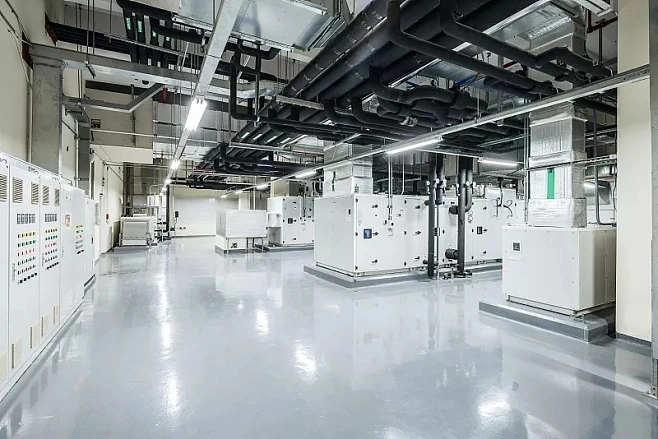
Ventajas y limitaciones a tener en cuenta
Ventajas
Los refrigeradores por agua suelen ser los preferidos por varias razones de peso:
- Rendimiento de refrigeración estable durante largos ciclos de funcionamiento
- Eficacia potencialmente superior a la de los sistemas comparables refrigerados por aire.
- Larga vida útil con un mantenimiento adecuado
- Más adecuado para aplicaciones a gran escala
- Menor ruido a nivel de equipo en muchas instalaciones
Limitaciones
Pero también hay contrapartidas:
- Requieren una torre de refrigeración o un sistema similar de evacuación del calor.
- Necesitan un tratamiento del agua para evitar las incrustaciones y la corrosión
- La instalación es más compleja que en los sistemas empaquetados más sencillos
- El mantenimiento es más complicado, sobre todo con el paso del tiempo
Eso no significa que sean una mala elección. Solo significa que son una elección seria, y normalmente deliberada...
Una rápida visión práctica: ¿Qué tipo se adapta a cada situación?
- Centrífuga: mejor cuando la carga es grande y constante
- Tornillo: lo mejor cuando la flexibilidad y la durabilidad son importantes
- Desplazamiento: mejor cuando la necesidad es menor y el diseño es más ajustado.
- Reciprocantes: lo mejor cuando se trata de sistemas antiguos o requisitos específicos.
En muchas plantas, la decisión final no tiene tanto que ver con la unidad “más avanzada” como con la que mejor se adapta al funcionamiento real de la instalación. De ahí suelen venir los verdaderos ahorros.
Conclusión
Cada uno de los principales tipos de sistemas de refrigeración por agua tiene una finalidad distinta. Las unidades centrífugas gestionan cargas muy grandes, las enfriadoras de tornillo ofrecen un punto intermedio práctico para uso industrial, las enfriadoras scroll funcionan bien en aplicaciones más pequeñas y los sistemas alternativos siguen apareciendo en algunas configuraciones heredadas.
La elección correcta suele reducirse a las necesidades operativas reales: demanda de refrigeración, espacio disponible, objetivos energéticos y cuánto mantenimiento puede soportar el equipo. Cuando estos factores se sopesan cuidadosamente, el sistema tiende a funcionar mejor y a durar más. Y en refrigeración, ése suele ser el resultado más importante.
PREGUNTAS FRECUENTES
¿Son mejores los refrigeradores por agua para largas horas de funcionamiento?
A menudo lo son, sobre todo en instalaciones donde la carga se mantiene relativamente constante. Su perfil de eficiencia puede ser atractivo en entornos de trabajo continuo, aunque el sistema de agua de apoyo debe gestionarse adecuadamente.
¿Todas las enfriadoras refrigeradas por agua necesitan una torre de refrigeración?
La mayoría de los sistemas refrigerados por agua utilizan alguna forma de rechazo externo del calor, y una torre de refrigeración es la opción más común. La disposición exacta puede variar en función de la instalación y el diseño del proceso.
¿Puede utilizarse una enfriadora por agua en una instalación pequeña?
Sí, aunque no siempre es la opción más sencilla. Las instalaciones pequeñas a veces las eligen cuando la eficiencia, el control del ruido o la estabilidad del proceso importan más que la sencillez de la instalación.

 Spanish
  English
  Russian
  Portuguese
  French
  Arabic
  Japanese
  German