
En el vertiginoso mundo de la fabricación industrial, elegir el equipo de refrigeración adecuado suele parecer una apuesta entre el presupuesto de hoy y el crecimiento de mañana. Muchos gerentes de instalaciones se encuentran atrapados con un sistema sobredimensionado que desperdicia energía o uno infradimensionado que crea cuellos de botella. Si busca una forma de equilibrar la inversión inicial con la escalabilidad a largo plazo, el Enfriadora modular por aire es quizá la pieza de hardware más estratégica que puede considerar. A diferencia de las unidades monobloque tradicionales, estos sistemas actúan como un sofisticado conjunto de “bloques de refrigeración”, lo que permite un nivel de flexibilidad y fiabilidad que antes era difícil de alcanzar.
La lógica de la modularidad: Por qué funciona dividir las cosas
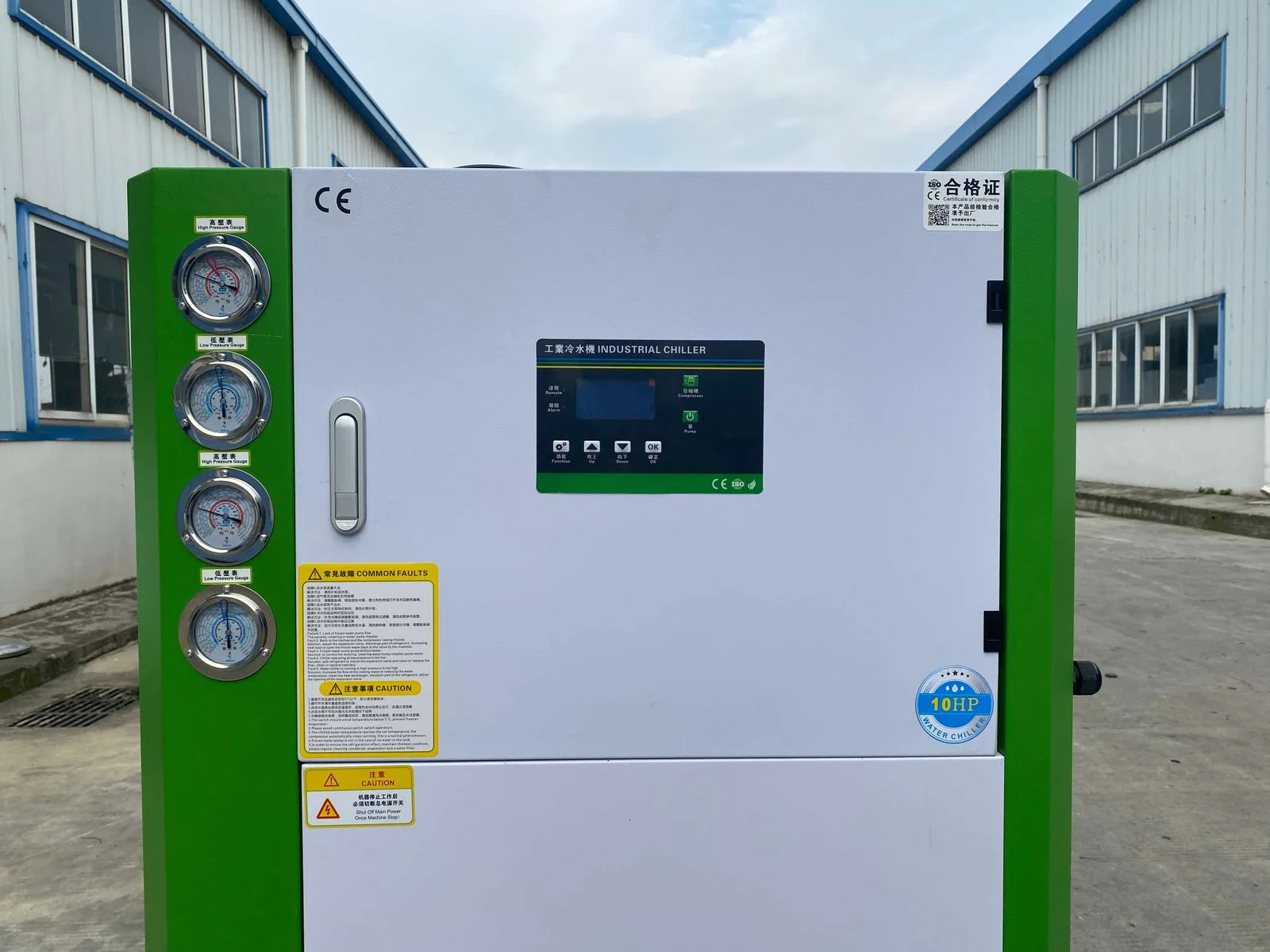
Un enfriador industrial tradicional suele ser una máquina enorme de una sola pieza. Es pesada, difícil de instalar y, lo que es más importante, representa un único punto de fallo. Si se avería el compresor principal, puede fallar toda la línea de producción. Una enfriadora modular por aire invierte este guión dividiendo la capacidad total de refrigeración en varios módulos independientes. Cada unidad funciona de forma autónoma, pero están conectadas por un controlador maestro que coordina su funcionamiento.
Escalabilidad y flexibilidad financiera
La característica más destacada de estos sistemas es su potencial de “pago a medida que crecen”. En las primeras fases de un proyecto, puede que sólo necesite una fracción de su capacidad final. Puede empezar con sólo dos o tres módulos. A medida que añada más líneas a sus Soluciones de transformación de plásticos o amplíe su laboratorio, sólo tendrá que conectar módulos adicionales. De este modo se evita la trampa de la “sobreinversión” en la que caen muchas empresas de nueva creación cuando compran enfriadoras refrigeradas por aire.
La tranquilidad de la redundancia
En sectores como la fabricación de productos químicos y farmacéuticos, incluso un pico de temperatura de treinta minutos puede arruinar un lote de un millón de dólares. Dado que cada enfriadora modular refrigerada por aire funciona de forma independiente, el sistema tiene redundancia integrada. Si uno de los módulos necesita mantenimiento o se produce un fallo mecánico, los demás se activan automáticamente para compensar. Esto garantiza que su sistema de refrigeración industrial siga funcionando sin necesidad de adquirir una máquina “de reserva” totalmente independiente.
Comparación de tecnologías de enfriadoras: La modularidad gana a la enfriadora por aire
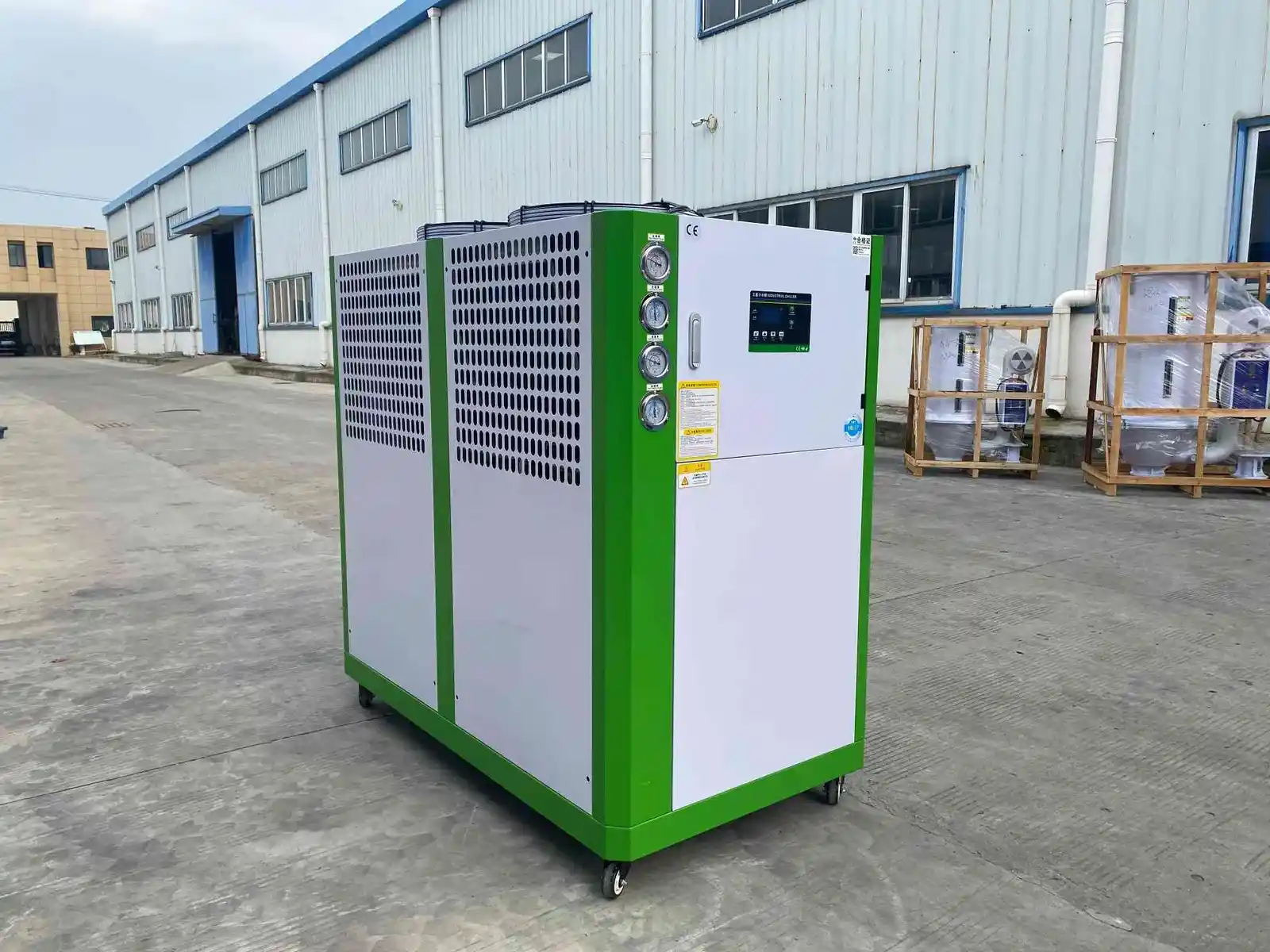
Resulta útil ver qué lugar ocupa la enfriadora modular refrigerada por aire en el mercado más amplio de enfriadoras industriales en venta. Aunque una enfriadora refrigerada por agua puede ofrecer una mayor eficiencia bruta en algunos climas, la variante modular refrigerada por aire suele ganar en coste total de propiedad.
| Característica | Enfriadora modular por aire | Enfriadora por agua | Enfriadora de tornillo grande |
|---|---|---|---|
| Facilidad de instalación | Extremadamente alta (sin torres de refrigeración) | Bajo (necesita bombas/torres) | Baja (Requiere aparejos pesados) |
| Fiabilidad del sistema | Máximo (sin un único punto de fallo) | Moderado | Moderado (riesgo unitario) |
| Espacio necesario | Flexible (techo o suelo) | Requiere una sala de máquinas específica | Amplia sala dedicada |
| Inversión inicial | Moderado (escalable) | Alta (Incluye infraestructura) | Alta (gran cantidad a tanto alzado) |
| El mejor caso de uso | Instalaciones de cultivo y modernización | Grandes cargas base estáticas | Cargas pesadas y constantes |
Fabricación de plásticos y caucho
La adopción de la máquina enfriadora de agua industrial en formato modular ha transformado los flujos de trabajo en diversos sectores. Dado que elimina la necesidad de un complejo tratamiento del agua de la torre de refrigeración, es una máquina “plug-and-play” favorita para muchos fabricantes de enfriadoras por aire.
Alimentación, bebidas y productos farmacéuticos
El sector de la alimentación y las bebidas sufre a menudo picos estacionales. Durante la cosecha de verano o los periodos de alta demanda, el sistema de refrigeración funciona a pleno rendimiento; en invierno, la mitad de los módulos pueden permanecer inactivos. Esta gestión inteligente de la energía es la razón por la que muchos están abandonando las enfriadoras de aire industriales tradicionales en favor de los sistemas modulares.
- Reciclaje y gestión de residuos: Refrigeración de componentes críticos en maquinaria de alto par.
- Fabricación de caucho y compuestos: Gestión de las reacciones exotérmicas durante el proceso de curado.
- Sistemas de climatización y refrigeración: Proporcionar refrigeración de confort para grandes complejos comerciales con ocupación fluctuante.
En qué fijarse al comprar un sistema de refrigeración por aire de modularidad Where
No todas las opciones de enfriadoras industriales etiquetadas como “modulares” son iguales. Algunas son simplemente varias enfriadoras pequeñas unidas, mientras que una verdadera enfriadora por aire modular cuenta con un cerebro inteligente e integrado.
Control inteligente: Asegúrese de que el controlador maestro hace girar el módulo “líder”. Así se evita que una unidad acumule 10.000 horas de funcionamiento mientras las demás permanecen inactivas.
Espacio libre y flujo de aire: Al estar refrigerados por aire, necesitan respirar. Incluso si el espacio es compacto, asegúrese de que haya suficiente espacio entre los módulos para evitar “cortocircuitos” en el aire caliente de escape de vuelta a la entrada.
Puertos de expansión: Compruebe que las cabeceras y los cuadros eléctricos están diseñados para futuras ampliaciones, lo que hace que la solución del sistema central de manipulación de materiales esté realmente preparada para el futuro.
Conclusión: ¿Es la inversión adecuada?
En última instancia, elegir una enfriadora modular por aire es elegir agilidad. Puede que no sea la más silenciosa o la más eficiente para una carga masiva e invariable las 24 horas del día, los 7 días de la semana, pero para casi cualquier otro escenario, ofrece una red de seguridad que los sistemas de una sola unidad no pueden igualar. Tanto si está modernizando una planta de soluciones de trituración y reciclado de productos plásticos como si está construyendo una nueva planta de trituración y reciclado de productos plásticos. enfriadora industrial. desde cero, el enfoque modular ofrece un nivel de control que tiene mucho sentido en un mercado impredecible.
PREGUNTAS FRECUENTES
¿Cómo gestiona una enfriadora modular refrigerada por aire las temperaturas ambiente extremas?
Si bien es cierto que una enfriadora por aire trabaja más cuando el aire exterior está a 40 °C o más, los diseños modulares modernos utilizan baterías condensadoras sobredimensionadas para mantener la eficiencia. Lo bueno de la configuración modular es que si una unidad empieza a tener problemas con el calor, se dispone de la capacidad total de todo el conjunto para mantener estable la temperatura del fluido. Es mucho más difícil para una enfriadora de tornillo grande ajustarse a estas fluctuaciones con elegancia.
¿Puedo mezclar módulos de distintos tamaños en el mismo sistema?
Por lo general, es mejor utilizar el mismo tamaño y modelo de los mismos fabricantes de enfriadoras refrigeradas por aire para garantizar que el software de control equilibra la carga correctamente. Sin embargo, algunos controladores avanzados permiten ahora la modularidad “asimétrica”, pero esto suele requerir una Solución Integrada de Equipos de Automatización de Moldeo de Plástico personalizada para garantizar que los caudales permanezcan equilibrados en todo el colector.
¿Cuál es la ventaja de mantener una enfriadora industrial modular?
En una máquina enfriadora industrial estándar, si necesita cambiar el aceite o comprobar el refrigerante, tiene que desconectar todo el sistema. Con una unidad modular, basta con desconectar un módulo. El resto del equipo de refrigeración industrial sigue funcionando, y su línea de producción nunca nota la diferencia. Esto hace que las comprobaciones rutinarias sean mucho menos estresantes para el equipo de mantenimiento.

 Spanish
  English
  Russian
  Portuguese
  French
  Arabic
  Japanese
  German