
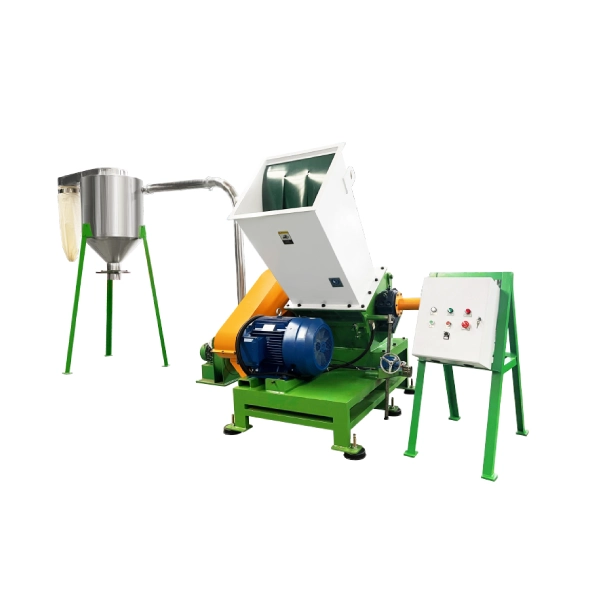
Crushing plastic bottles before recycling them sounds like a minor thing, but it genuinely changes how much space gets used — in the bin, in the recycling truck, and eventually at the sorting facility. Most people either skip it entirely or do it in whatever way feels natural in the moment, without relying on a プラスチック粉砕機 for consistent results. Neither is wrong, exactly, but there are definitely better and worse approaches depending on the situation.
Why the Best Way to Crush Plastic Bottles Isn’t Always Obvious
It seems straightforward — just squeeze and flatten. But the results vary a lot depending on bottle type, cap placement, and technique. A bottle with the cap still on traps air inside, which makes it resist compression and spring back almost immediately. Remove the cap first, and the whole process becomes noticeably easier.
There’s also the question of bottle material. PET bottles (the thin, clear ones used for water and soda) crush easily with minimal effort. HDPE bottles — thicker, used for milk, detergent, or shampoo — are a different story. They take more force and don’t flatten as neatly.
Finding the Best Way to Crush Plastic Bottles for Your Situation
By Hand or Foot
For occasional use, manual methods work fine. Removing the cap, squeezing out the air, and then twisting or stomping the bottle flat gets the job done. Stomping with the heel tends to work better than the toe — more surface area, more control.
Tips for manual crushing:
Always remove the cap before crushing
Twist the bottle after flattening to help it hold its shape
Use the heel of the foot for stomping, not the toe
For thicker bottles, try pressing against a hard surface rather than stomping
Using a Manual Bottle Crusher
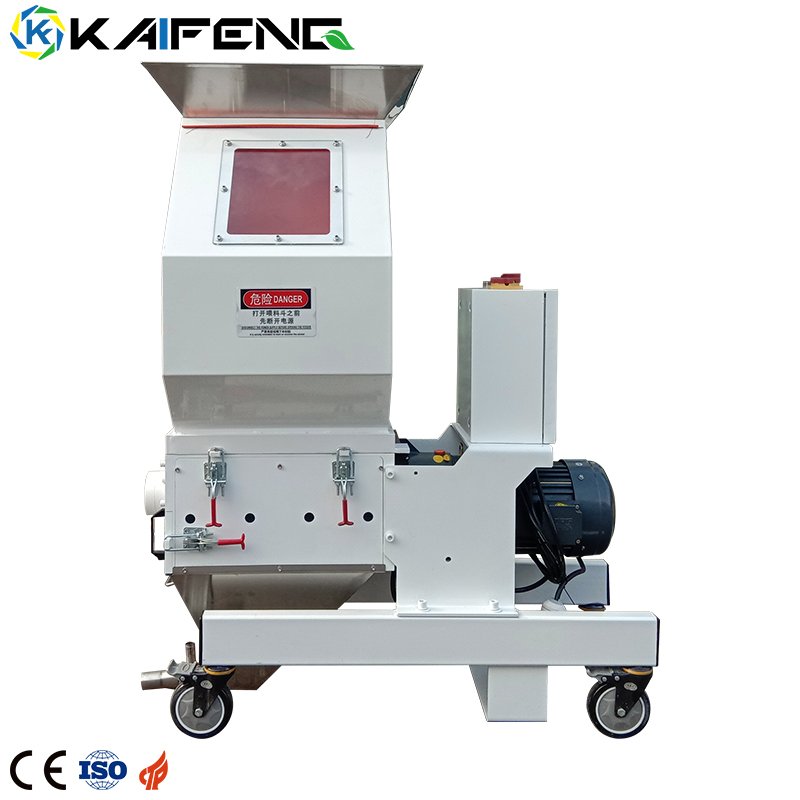
A wall-mounted lever crusher and a 低速サイドクラッシャー are probably the most practical upgrades for regular home use. One pull of the handle flattens a bottle in under two seconds. Most models handle standard PET bottles easily, and some work on aluminum cans as well.
The consistency is the main advantage here. Every bottle comes out roughly the same size, which makes stacking and storing them much tidier than the uneven results from stomping.
Electric and Industrial Compactors
For offices, small businesses, or anyone dealing with high volumes, electric compactors are worth considering. They require almost no physical effort and can process bottles continuously. The tradeoff is cost and space — these aren’t small devices, and the price reflects that.
| 方法 | Effort | Result Quality | 最適 |
|---|---|---|---|
Hand squeezing | ミディアム | Inconsistent | Occasional, light use |
Foot stomping | 低い | 中程度 | Quick, no tools needed |
Manual lever crusher | Very low | Consistent | Regular household use |
Electric compactor | Minimal | Excellent | High-volume or commercial use |
A Few Things That Actually Make a Difference
Getting the best results from crushing plastic bottles comes down to a handful of small habits that are easy to overlook.
Rinse bottles before crushing — leftover liquid makes a mess when compressed, especially with a lever crusher.
Sort by material type — PET and HDPE behave differently, and mixing them up can slow things down.
Store crushed bottles in a separate bag or bin — they take up far less space and are easier to transport to a recycling point.
Check local recycling rules — some facilities prefer uncrushed bottles for automated sorting. Worth a quick check before changing the routine.
よくあるご質問
Does removing the cap really make that much of a difference when crushing plastic bottles?
A sealed bottle traps air and resists compression. With the cap off, the bottle collapses much more easily and stays flat instead of bouncing back.
What’s the most practical tool for crushing plastic bottles at home without spending much?
A wall-mounted manual crusher is the sweet spot for most households — inexpensive, fast, and consistent. No electricity needed, and it mounts out of the way.
Are crushed plastic bottles always accepted in recycling programs?
Some sorting systems identify bottles by shape, so crushed ones can get misread or rejected. Checking local guidelines first is the safest approach.

 Japanese
  English
  Spanish
  Russian
  Portuguese
  French
  Arabic
  German