申し込み

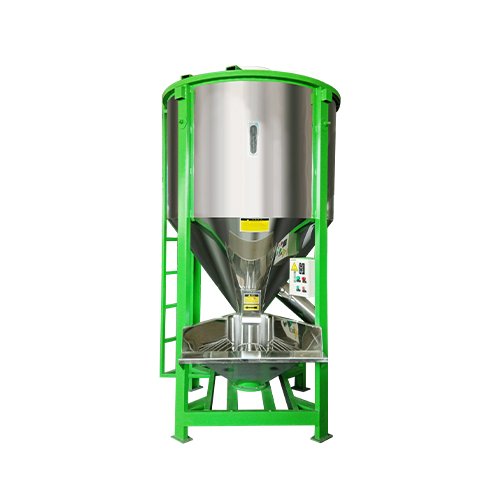
縦型プラスチックミキサー

リサイクル用ペットボトルの粉砕方法

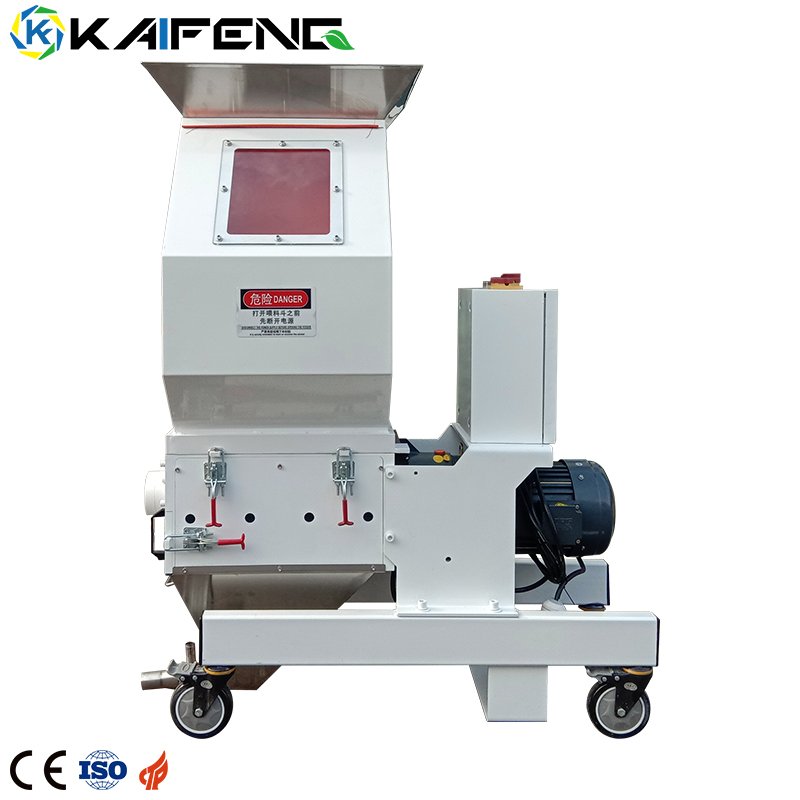
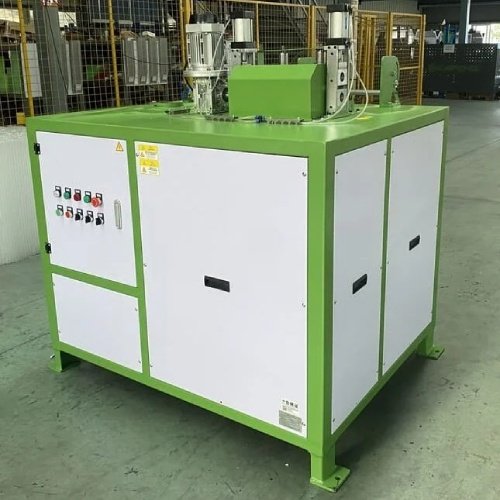
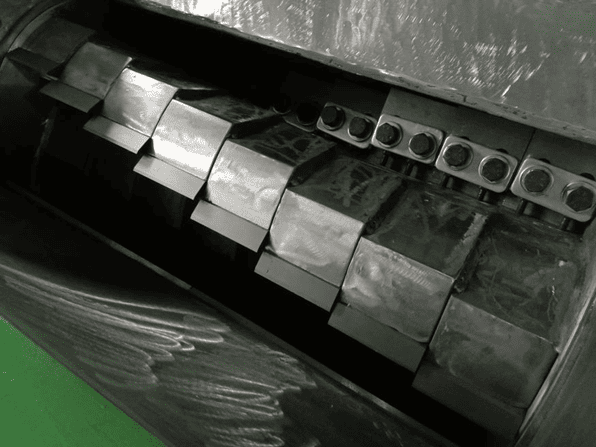
Most people toss plastic bottles into the recycling bin without a second thought. That works, technically. But crushing them first — even just a little, especially with a side-opening plastic crusher — can make a surprisingly big difference, both for storage at home and for the recycling process downstream. It’s one of those small habits that doesn’t take much effort but adds up over time. Why Crushing Plastic Bottles for Recycling Actually Matters Space is the obvious reason. A standard 500ml plastic bottle takes up a lot of room in a recycling bin when left intact. Crush it flat, and suddenly the same bin holds two or three times as […]
リサイクル用ペットボトルの粉砕方法 続きを読む »

オンラインクラッシャー

ペットボトルのつぶし方

Plastic bottles are one of those everyday items that quietly pile up faster than expected. A kitchen bin, office recycling box, or warehouse collection area can start looking crowded pretty quickly, and that is usually when how to crush plastic bottles becomes more than a random cleanup idea. It sounds simple, and in a way it is, but the best method depends on what happens next — recycling, storage, transport, or disposal. There is also a small but important detail people tend to overlook: crushing helps reduce volume, but it should not create problems for sorting or recycling later. So the goal is not just “make it smaller.” It is

ペットボトルのつぶし方 続きを読む »

クラッシャー詳細

ペットボトルのつぶし方

Plastic water bottles take up far more space than they seem like they should. A few empty bottles in a bin can quickly turn into a messy, overfilled stack, and that is usually the moment when learning how to crush plastic water bottles starts to feel useful instead of just tidy. The process is not complicated, but the “right” method depends on what happens next—whether the bottles are going into household recycling, commercial collection, or a larger waste stream where consistency matters. In practice, crushing is mostly about reducing volume without creating a recycling headache. That balance matters more than people often realize. Some bottles flatten easily by hand, while

ペットボトルのつぶし方 続きを読む »

サイドオープン式クラッシャー

 牛乳瓶のつぶし方

Plastic milk bottles look harmless enough when they’re empty, but they add up fast. In kitchens, dairies, grocery backrooms, and recycling rooms, these bulky containers can take over space before anyone really notices. That’s why knowing how to crush plastic milk bottles is surprisingly useful—not just for tidiness, but for making waste handling and recycling a lot less awkward. Crushing them sounds simple, and in a way, it is. But there’s a difference between just flattening a few bottles here and there and setting up a method that actually saves time and storage space. The right approach depends on volume, safety, and whether the bottles are being handled at home

 牛乳瓶のつぶし方 続きを読む »

クラッシャー

電子包装廃棄物用EPS粉砕機

Electronic products ship in a lot of foam. Televisions, monitors, refrigerators, washing machines — almost anything with a fragile surface or sharp corner gets packed in expanded polystyrene. It does the job well. The problem comes after unboxing, when that foam needs to go somewhere. EPS is about 98% air by volume. It’s bulky, it doesn’t compress easily by hand, and most municipal recycling programs won’t take it. For businesses handling large volumes of electronic packaging waste — retailers, logistics companies, appliance distributors — the material piles up fast. An EPS granulator addresses this directly, reducing foam waste into a dense, manageable form that can actually be transported and recycled.

電子包装廃棄物用EPS粉砕機 続きを読む »

工業用冷凍機

農業マルチフィルムリサイクル用フィルム粉砕機

Agricultural mulch film does a lot of useful work — suppressing weeds, retaining moisture, regulating soil temperature. But once the growing season ends, there’s a disposal problem. Thin plastic film, often contaminated with soil and plant debris, piles up fast. Burning it is harmful. Landfilling it is wasteful. And leaving it in the field causes long-term soil degradation. A film granulator offers a more practical path: processing used mulch film into plastic pellets that can be sold or reused in manufacturing. It’s not a perfect solution for every operation, but for recycling facilities and larger farms, it’s become a fairly standard piece of equipment. What a Film Granulator Actually Does

農業マルチフィルムリサイクル用フィルム粉砕機 続きを読む »

オンラインクラッシャー

細断フィルム再粉砕用プラスチックフィルム粉砕機

Plastic film is one of the more awkward materials to recycle. It’s lightweight, it tangles, it wraps around machinery, and it doesn’t compact well without some kind of size reduction first. That’s where a plastic film crusher comes in — not as a glamorous piece of equipment, but as a genuinely necessary one in any serious film regrinding operation. The basic idea is straightforward: take film waste that’s too bulky or inconsistent to feed directly into a granulator or extruder, and reduce it to a manageable, uniform particle size. The output — usually called regrind — can then be fed into downstream processing equipment without causing jams, uneven melting, or

細断フィルム再粉砕用プラスチックフィルム粉砕機 続きを読む »

中速サイドクラッシャー

ペットボトルを粉砕する最良の方法

Crushing plastic bottles before recycling them sounds like a minor thing, but it genuinely changes how much space gets used — in the bin, in the recycling truck, and eventually at the sorting facility. Most people either skip it entirely or do it in whatever way feels natural in the moment, without relying on a plastic crusher for consistent results. Neither is wrong, exactly, but there are definitely better and worse approaches depending on the situation. Why the Best Way to Crush Plastic Bottles Isn’t Always Obvious It seems straightforward — just squeeze and flatten. But the results vary a lot depending on bottle type, cap placement, and technique. A

ペットボトルを粉砕する最良の方法 続きを読む »

jaJapanese

お見積もり