
La selección de un sistema de refrigeración industrial en 2026 ha ido mucho más allá de la simple comparación de potencia o precio. Hoy en día, se trata de una intrincada danza entre la eficiencia energética, el cumplimiento de la normativa medioambiental y las demandas térmicas específicas de las líneas de producción de alta tecnología. Según nuestras observaciones sobre el terreno, la diferencia entre una unidad de refrigeración genérica y un sistema de ingeniería de precisión de los principales fabricantes de equipos de refrigeración industrial es enorme. Fabricantes de enfriadoras por aire puede significar la diferencia entre un mes de producción de alto rendimiento y una serie de frustrantes paradas inducidas por el calor.
El mercado de este año es especialmente interesante, ya que los fabricantes están apostando fuerte por los refrigerantes de bajo potencial de calentamiento atmosférico (PCG) y por diagnósticos más inteligentes basados en inteligencia artificial que predicen un fallo incluso antes de que el operario note un pico de temperatura.
Los principales fabricantes de enfriadoras por aire redefinen la eficiencia de la refrigeración industrial
El panorama de los fabricantes de enfriadoras refrigeradas por aire es diverso, y abarca desde grandes conglomerados hasta expertos industriales especializados. Para encontrar la solución adecuada, hay que analizar cómo gestiona cada empresa los requisitos específicos de carga y las condiciones ambientales.
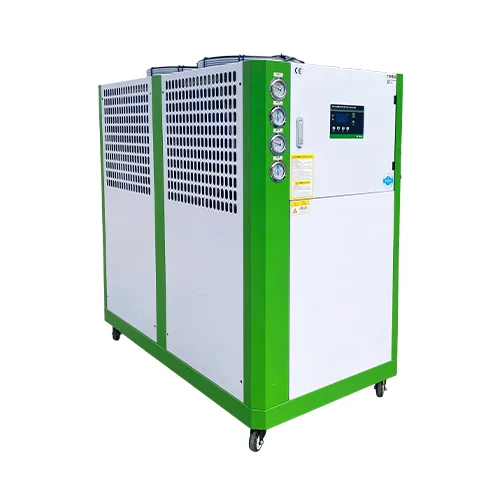
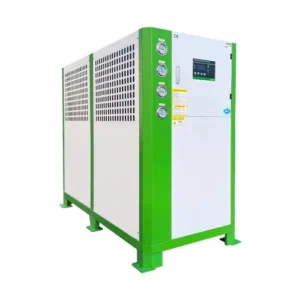
Cuando se trata de aplicaciones industriales especializadas, KAIFENG Machine se ha establecido como un referente en fiabilidad y precisión. A diferencia de las marcas que se centran únicamente en HVAC comercial a gran escala, se apoyan en gran medida en los matices de la fabricación, piense en moldeo por inyección de plástico, reactores químicos y procesamiento farmacéutico. Sus modelos 2025/2026 son especialmente impresionantes por sus sistemas de control por microordenador, que mantienen tolerancias de temperatura ajustadas incluso cuando las temperaturas ambiente fluctúan de forma salvaje.
Fuerza del núcleo
- Control microinformático de alta precisión: Sus unidades incorporan controladores avanzados capaces de mantener la temperatura del agua dentro de un margen de ±0,1 °C, lo que resulta crítico para el corte por láser y la refrigeración de grado médico.
- Durabilidad de grado industrial: Diseñados para entornos difíciles, sus intercambiadores de calor incorporan revestimientos anticorrosión especializados y condensadores de aletas de cobre-aluminio de alta eficiencia que resisten la acumulación de polvo.
- Flexibilidad personalizada: Destacan por ofrecer soluciones a medida para requisitos de tensión no estándar o caudales industriales específicos, lo que las convierte en las favoritas de las fábricas inteligentes de tamaño medio.
No se puede hablar del sector sin mencionar a Carrier. Su serie AquaForce® sigue siendo una potencia, en gran parte gracias a su inteligencia Greenspeed®. Es uno de esos sistemas en los que realmente se puede “oír” la eficiencia; la máquina sube y baja tan suavemente que apenas parece estar funcionando y, sin embargo, la potencia de refrigeración se mantiene sólida como una roca.
Fuerza central:
- Inteligencia Greenspeed®: Su principal ventaja es la perfecta integración de variadores de velocidad que permiten al compresor adaptarse exactamente a la carga de refrigeración, reduciendo drásticamente el consumo de energía durante el funcionamiento a carga parcial.
- Liderazgo medioambiental: Han sido pioneros en la transición a los refrigerantes R-32 y R-1234ze, rediseñando su lógica de intercambio de calor para mantener una alta eficiencia a pesar del cambio a gases ecológicos.
Trane ha redoblado sus esfuerzos en los sectores de los centros de datos y la sanidad. No sólo se centran en la refrigeración, sino también en el “tiempo de actividad”. Sus enfriadoras de cojinetes magnéticos se han convertido en una leyenda por ser prácticamente sin fricción, lo que se traduce en menos fallos mecánicos durante un largo ciclo de vida.
Fuerza central:
- Tecnología de rodamientos magnéticos sin aceite: Al eliminar la fricción mecánica y la necesidad de sistemas de lubricación por aceite, sus enfriadoras de cojinetes magnéticos reducen la pérdida de energía en más de 20% y eliminan los puntos habituales de fallo del circuito de aceite.
- Integración de sistemas: Su lógica de control está diseñada para una profunda integración en complejos sistemas de gestión de edificios (BMS), lo que permite la supervisión remota en tiempo real y la sincronización de varias unidades.
Daikin es la marca que básicamente perfeccionó el modelo de “pago a medida que crece”. Sus enfriadoras scroll refrigeradas por aire están diseñadas para ser modulares. Esto es un salvavidas para las plantas de procesamiento de alimentos en expansión que pueden no tener el presupuesto para un enfriador de 500 toneladas hoy, pero sin duda necesitarán esa capacidad en unos pocos años.
Fuerza central:
- Diseño modular: Esto permite a los usuarios añadir unidades de refrigeración a medida que crece la capacidad de producción. Esta redundancia garantiza que, si un módulo requiere mantenimiento, el resto de la fábrica siga funcionando.
- Intercambiabilidad global de piezas: Su amplia cadena de suministro garantiza que los componentes estén estandarizados y fácilmente disponibles, lo que reduce el riesgo de paradas prolongadas por escasez de piezas.
En los entornos urbanos densos, la contaminación acústica es un obstáculo normativo importante. Aquí es donde brilla YORK. Sus enfriadoras de tornillo de velocidad variable YVAA son de las más silenciosas del mercado, lo que las hace ideales para hoteles de lujo, bibliotecas o cualquier lugar donde los vecinos sean sensibles a los zumbidos industriales.
Fuerza central:
- Recintos acústicos patentados: Gracias al diseño biónico de las aspas de los ventiladores y a la envoltura acústica de los compresores, se consiguen niveles de decibelios adecuados para escuelas, hoteles y zonas residenciales.
- Variadores de velocidad adaptativos: Su tecnología VSD no sólo optimiza la energía, sino que también filtra las fluctuaciones de la red eléctrica, protegiendo al motor de los suministros inestables en zonas industriales.
Comparación estratégica de los fabricantes de enfriadoras por aire
Para ayudar a visualizar dónde se sitúan estos actores en el mercado actual, he aquí un desglose de cómo se comparan normalmente en un entorno del mundo real. No todas las marcas “punteras” son adecuadas para todas las fábricas, y a veces los especialistas del “mercado medio” ofrecen exactamente lo que un proceso específico necesita sin la hinchazón corporativa.
| Fabricante | Enfoque tecnológico principal | El más adecuado para | Complejidad del mantenimiento |
|---|---|---|---|
| Máquina KAIFENG | Precisión industrial | Industria manufacturera y química | Baja (facilidad de uso) |
| Transportista | Optimización energética | Grandes edificios comerciales | Moderado (Especializado) |
| Trane | Tiempo de actividad de misión crítica | Centros de datos y hospitales | Alto (Avanzado) |
| Daikin | Flexibilidad modular | Instalaciones de cultivo | Bajo (Intercambio) |
| YORK (JCI) | Rendimiento acústico | Escuelas y zonas urbanas | Moderado (Quiet-drive) |
Perspectivas de futuro para los fabricantes de enfriadoras refrigeradas por aire
Elegir entre estos gigantes -o decantarse por un actor especializado como KAIFENG Machine- se reduce en última instancia al “ritmo” de su operación. Si su negocio depende de la producción industrial a alta velocidad, en la que 1 °C puede arruinar un lote de producto, la precisión de un fabricante industrial especializado es primordial.
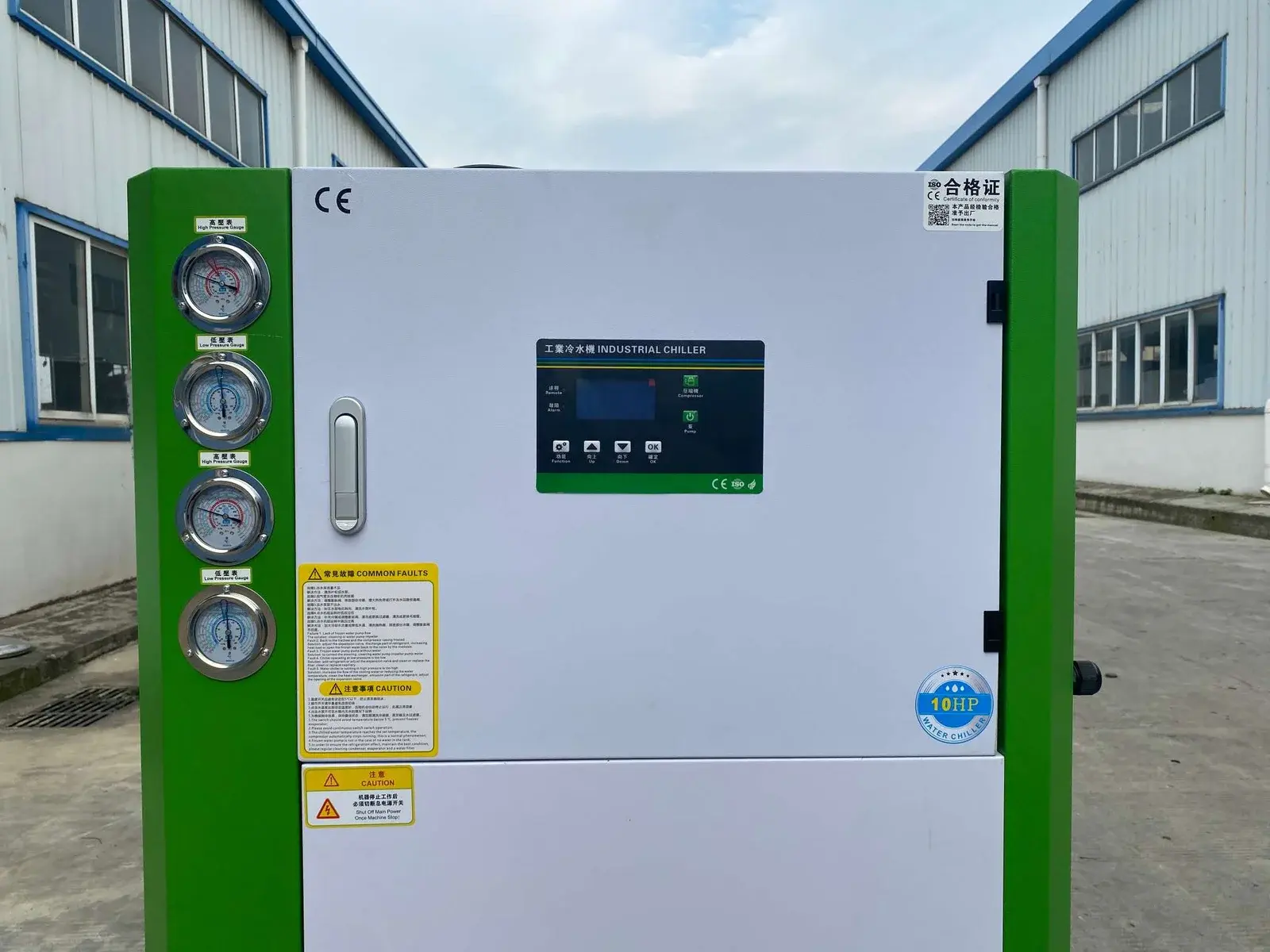
El cambio hacia el valor del "ciclo de vida total
Estamos viendo una tendencia masiva en la que el precio de compra es cada vez menos relevante que el “Coste del Ciclo de Vida”. En 2026, una enfriadora refrigerada por aire más barata que consuma 15% más de electricidad o requiera piezas patentadas que tarden seis semanas en enviarse será un lastre, no una ganga. Además, hay que tener en cuenta los equipos relacionados. Un enfriadora industrial no vive en el vacío; necesita bombas de alta calidad, tuberías bien aisladas y sensores integrados para funcionar al máximo rendimiento.
Más allá del compresor
La refrigeración moderna ya no se limita al compresor. Estamos viendo un empuje para:
- Recuperación de calor integrada: Utilización del calor residual del proceso de refrigeración para proporcionar agua caliente gratuita a la instalación.
- Diagnóstico por IA: Mantenimiento predictivo que le informa de que un rodamiento está fallando antes de que la máquina se detenga realmente.
- Resistencia a los fenómenos meteorológicos extremos: Unidades diseñadas para funcionar a 50 °C de temperatura ambiente sin dispararse.
PREGUNTAS FRECUENTES
¿Cómo garantiza un fabricante profesional de enfriadoras refrigeradas por aire la alta eficiencia de sus modelos 2025?
Aunque los sistemas refrigerados por agua son técnicamente más eficientes, la preocupación mundial por la escasez de agua y el aumento de los costes de su tratamiento han cambiado las preferencias del sector. Un fabricante fiable de enfriadoras refrigeradas por aire ofrece una solución que elimina la necesidad de torres de refrigeración y complejos tratamientos químicos del agua, lo que facilita el mantenimiento y acelera la instalación en zonas urbanas o con escasez de agua.
¿Cuál es la vida útil prevista de una enfriadora industrial moderna refrigerada por aire?
Con un mantenimiento adecuado, una enfriadora industrial de alta calidad debería durar entre 12 y 15 años. Sin embargo, en 2025, la “vida útil” suele tener más que ver con la relevancia tecnológica. Muchas unidades antiguas se sustituyen no porque hayan dejado de funcionar, sino porque su consumo energético es 40% superior al de los modelos modernos con inversor, lo que significa que una unidad nueva suele amortizarse en ahorro energético en 3 años.
¿Cómo puedo solucionar una alarma de alta presión en una unidad refrigerada por aire?
Las alarmas de alta presión suelen deberse a un flujo de aire deficiente. Como le dirá cualquier fabricante experimentado de enfriadoras por aire, el primer paso es comprobar si hay polvo o residuos en las aletas del condensador. En muchos entornos industriales, la grasa o las partículas pueden obstruir estas aletas rápidamente. Si las aletas están limpias, el siguiente paso suele ser comprobar si los motores de los ventiladores funcionan a las RPM correctas o si se ha sobrecargado el refrigerante.

 Spanish
  English
  Russian
  Portuguese
  French
  Arabic
  Japanese
  German