How to Integrate an Industrial Chiller System into Your Factory

Adding a chiller to a factory floor sounds straightforward enough. Buy the unit, put it somewhere, hook up pipes and power, and turn it on. In practice, it’s rarely that simple. Seen it play out in a few facilities where the chiller arrived before anyone had really thought through where it would sit, how the water would get to the equipment, or whether the electrical panel had room for another 200-amp breaker. Those projects tend to have a lot of last-minute scrambling.

Integrating an industrial chiller system is more about preparation than the installation itself. The ones that go smoothly are the ones where someone walked through the whole path—from utility connection to process equipment—before the first pipe was cut.

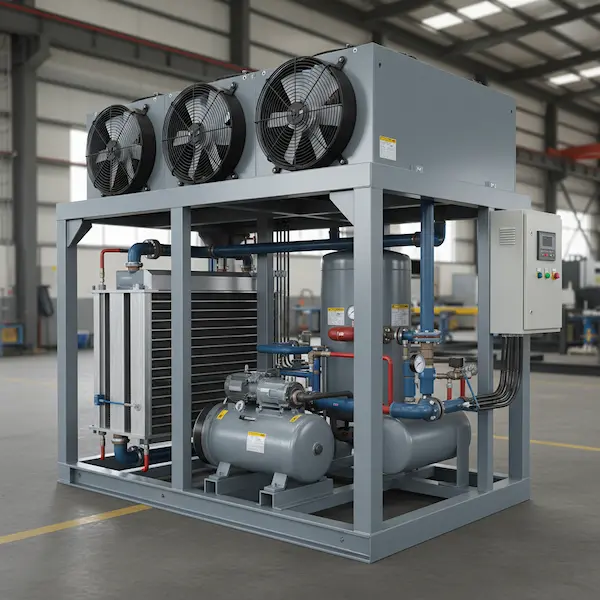
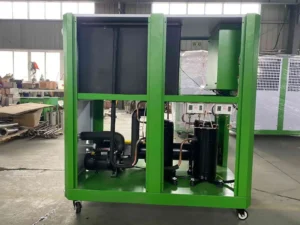
産業用チラーの内部構造

Planning the Layout for an Industrial Chiller System

The physical location of the chiller matters more than people sometimes realize. It’s not just about finding an empty corner.

Indoor vs. Outdoor Placement

This decision shapes everything else.

PlacementProsCons
IndoorProtected from weather, easier to monitor, less risk of vandalismRequires ventilation, takes up floor space, heat rejection must be managed
OutdoorFrees up production space, easier for air-cooled units to reject heatExposed to elements, requires weatherproofing, longer piping runs

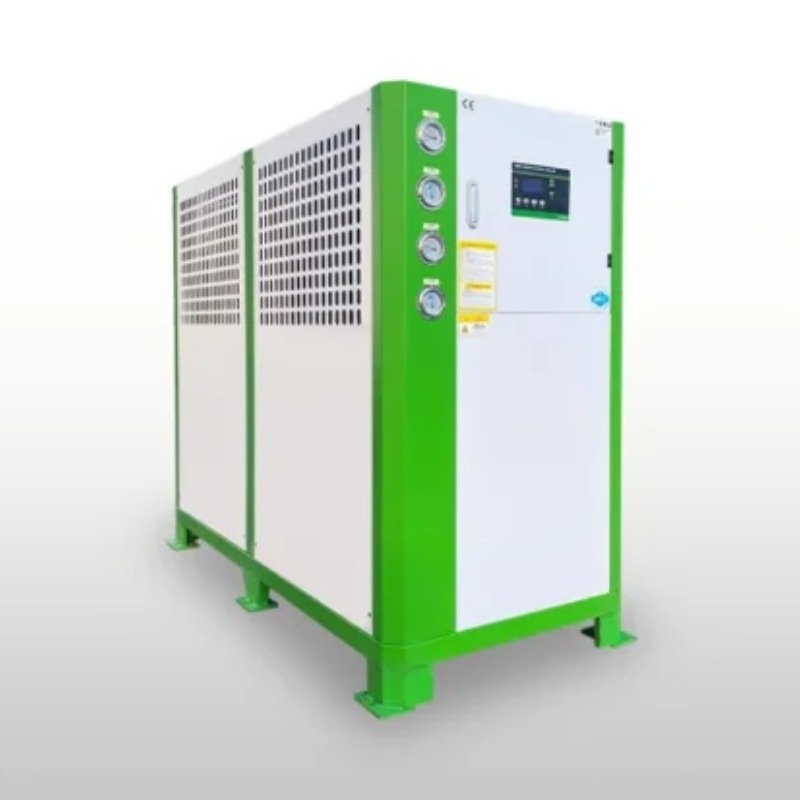
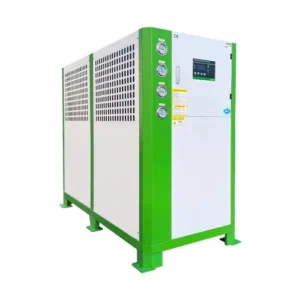
アン 空冷式チラー placed outdoors needs clearance around the condenser coils. Enough space for air to flow in and out, plus room for someone to get in there with a pressure washer when the coils get dirty. An indoor water-cooled chiller needs a cooling tower or fluid cooler somewhere—usually on the roof or outside—and that adds another layer of piping and pumps.

Proximity to Process Equipment

Piping runs add cost and create pressure drops. The farther the chiller sits from the equipment it’s cooling, the larger the pumps need to be and the more heat is picked up (or lost) along the way. There’s a balance—sometimes the chiller can’t be right next to the process due to noise, space, or safety concerns. But every extra foot of pipe is worth thinking about.

Piping and Pumping Considerations

The piping system is what connects the industrial chiller system to the actual equipment. It’s also where a lot of integration issues show up.

Pipe Sizing and Material

Undersized piping is a common headache. It creates excessive pressure drop, meaning pumps work harder and flow rates suffer. The chiller might be sized correctly, but if the water can’t move enough volume, the equipment at the far end doesn’t get the cooling it needs.

• Copper: Common for smaller systems, easy to work with, but not always cost-effective for long runs.
• Steel: Durable, good for larger systems, but requires proper corrosion protection.
• PVC or HDPE: Lower cost, resistant to corrosion, but limited by temperature and pressure ratings.

Pump Selection

Pumps need to match both flow rate and head pressure. Oversized pumps waste energy. Undersized pumps can’t push water through long piping runs or high-resistance components like filters and heat exchangers. Variable frequency drives on pumps are becoming more common—they adjust flow based on actual demand, which saves power and reduces wear.

Expansion and Flexibility

Piping expands and contracts with temperature changes. Rigid connections can stress fittings, valves, and the chiller itself. Flexible connections—vibration isolators and expansion joints—absorb movement and reduce the chance of leaks developing over time.

工業用冷凍機

Electrical Integration

Powering a chiller isn’t just about having an available breaker. The electrical side of integrating an industrial chiller system involves coordination, protection, and sometimes utility involvement.

Load Calculations

A chiller draws significant current, especially during startup. Facilities need to know whether the existing electrical service can handle the additional load. Adding a 150-ton chiller to a factory that’s already near its service limit might trigger the need for a service upgrade—which adds months to the timeline.

Control Wiring

Beyond power, chillers need control wiring. This ties into the factory’s building management system (BMS) or programmable logic controllers (PLCs). The chiller needs to communicate with pumps, cooling towers, and sometimes the process equipment itself. A lack of coordination here leads to scenarios where the chiller runs but pumps don’t, or the cooling tower fan cycles independently from the chiller—wasting energy and causing temperature swings.

Common control signals to plan for:
• Enable/disable from building automation
• Setpoint adjustment (remote reset)
• Alarm monitoring and notification
• Flow verification interlocks

Cooling Tower and Heat Rejection

For systems using a 水冷式チラー, there’s the additional component of a cooling tower or fluid cooler. This piece is often overlooked in the initial planning.

Tower Location and Makeup Water

Cooling towers need to be placed where they have adequate airflow and where drift won’t create problems for nearby equipment or pedestrian areas. They also need a makeup water supply—a constant source of water to replace what evaporates. If the facility’s water pressure or flow isn’t sufficient, a storage tank and booster pump may be needed.

Winter Operation

In colder climates, cooling towers require freeze protection. That might mean basin heaters, dry operation strategies, or draining the tower during shutdown periods. Facilities that install a cooling tower without considering winter operations often find themselves scrambling when the first freeze hits.

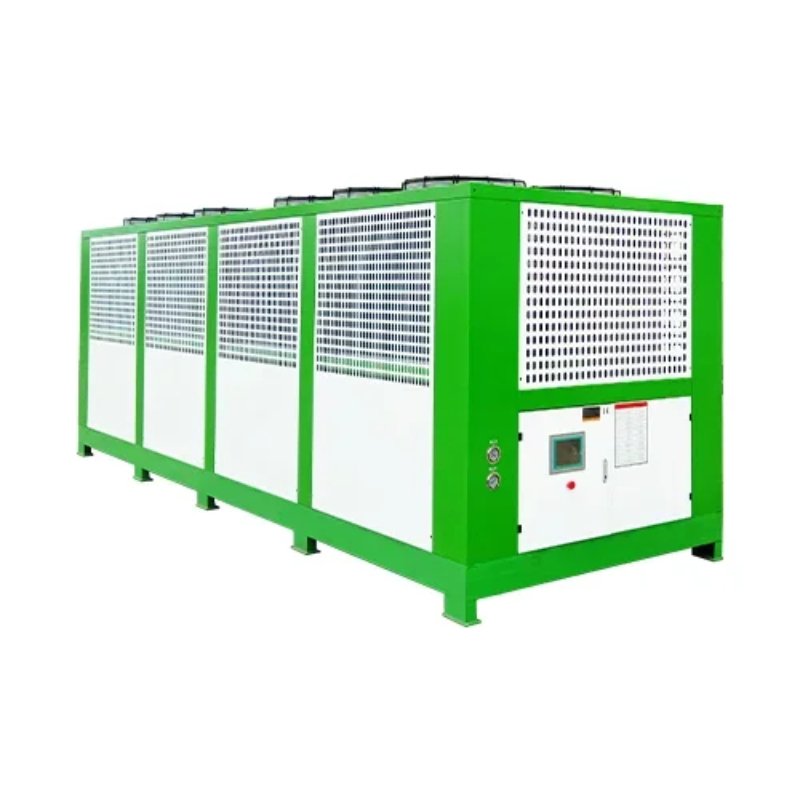
工業用チラー

Integration with Existing Systems

A new chiller rarely operates in isolation. It’s joining an existing network of equipment, and how well it plays with others determines whether the integration feels seamless or problematic.

Parallel Operation

If there’s already a chiller on site, the new unit might run in parallel. That requires careful piping configuration (primary-secondary loops are common) and controls that sequence the chillers based on load. Without proper sequencing, one chiller might run while the other sits idle, or both might run inefficiently at partial load.

Redundancy Planning

One question worth asking early: is this chiller for additional capacity, or for backup? If it’s backup, the piping and valving need to allow isolation so one unit can be serviced while the other continues running. If it’s for additional capacity, the distribution system needs to handle the combined flow.

Commissioning and Testing

The integration isn’t complete until the system has been tested under actual operating conditions. This phase sometimes gets shortened when production schedules are tight, but skipping it tends to create problems later.

Functional Testing

Each component needs to be tested individually—pumps, fans, valves, controls—before the full system runs. Then, the system runs through its operating ranges: low load, high load, transitions between stages, and any failure scenarios.

Balancing

Water flow needs to be balanced across all connected equipment. One zone getting too much flow while another gets too little is surprisingly common. Balancing valves, pressure gauges, and a methodical approach to setting flows prevents that.

よくあるご質問

How long does it take to integrate an industrial chiller system into an existing factory?

From planning to commissioning, typical projects take 3 to 8 months depending on complexity. Site-specific factors like electrical upgrades, piping runs, and permitting can extend the timeline.

Installation involves electrical, plumbing, and controls work that usually requires licensed contractors. Most facilities work with a mechanical contractor who handles piping, an electrical contractor for power, and a controls integrator for automation.

Underestimating the space and clearance requirements—both for the chiller itself and for future maintenance access. Also, failing to coordinate controls between the chiller and existing building automation leads to operational headaches.

目次

お問い合わせ

お問い合わせを送信

jaJapanese

お見積もり