jl156973238@gmail.com

クラッシャー詳細

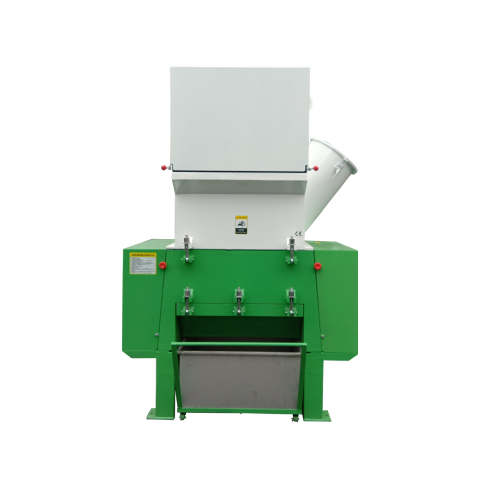
ペットボトルのつぶし方

Plastic water bottles take up far more space than they seem like they should. A few empty bottles in a bin can quickly turn into a messy, overfilled stack, and that is usually the moment when learning how to crush plastic water bottles starts to feel useful instead of just tidy. The process is not complicated, but the “right” method depends on what happens next—whether the bottles are going into household recycling, commercial collection, or a larger waste stream where consistency matters. In practice, crushing is mostly about reducing volume without creating a recycling headache. That balance matters more than people often realize. Some bottles flatten easily by hand, while […]
ペットボトルのつぶし方 続きを読む »

サイドオープン式クラッシャー

 牛乳瓶のつぶし方

Plastic milk bottles look harmless enough when they’re empty, but they add up fast. In kitchens, dairies, grocery backrooms, and recycling rooms, these bulky containers can take over space before anyone really notices. That’s why knowing how to crush plastic milk bottles is surprisingly useful—not just for tidiness, but for making waste handling and recycling a lot less awkward. Crushing them sounds simple, and in a way, it is. But there’s a difference between just flattening a few bottles here and there and setting up a method that actually saves time and storage space. The right approach depends on volume, safety, and whether the bottles are being handled at home

 牛乳瓶のつぶし方 続きを読む »

空冷チラーメーカー

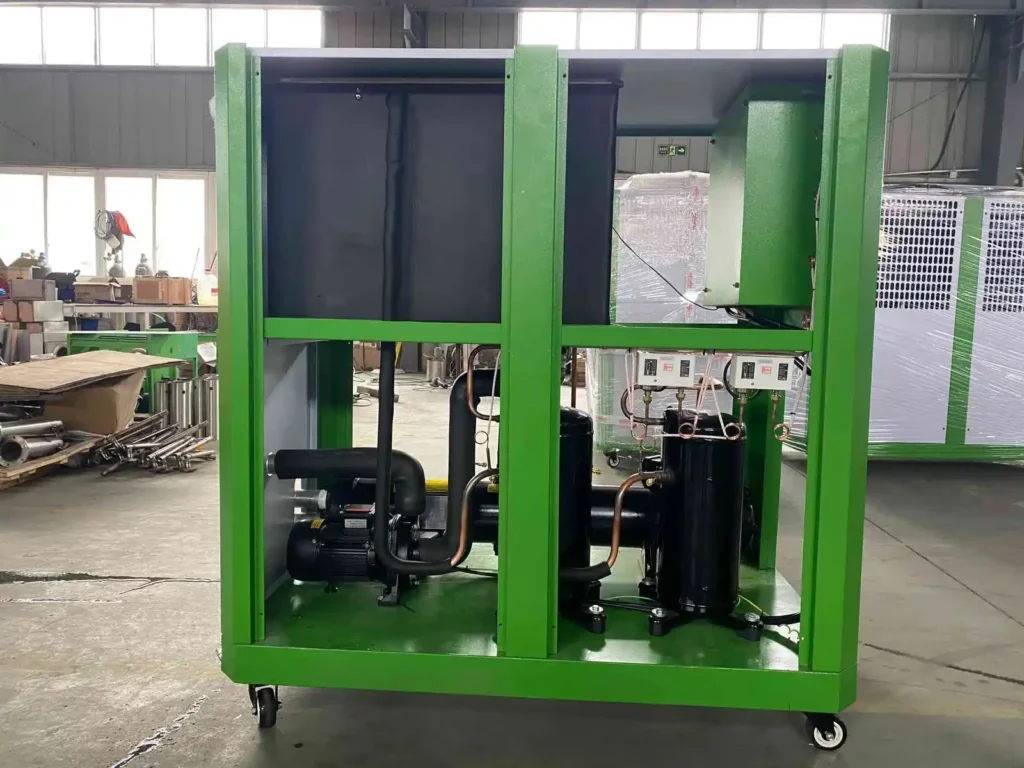
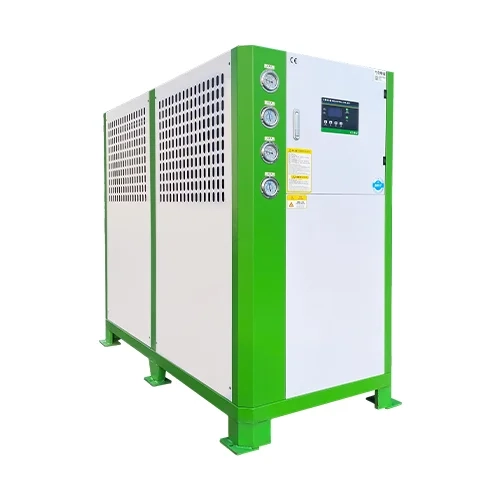
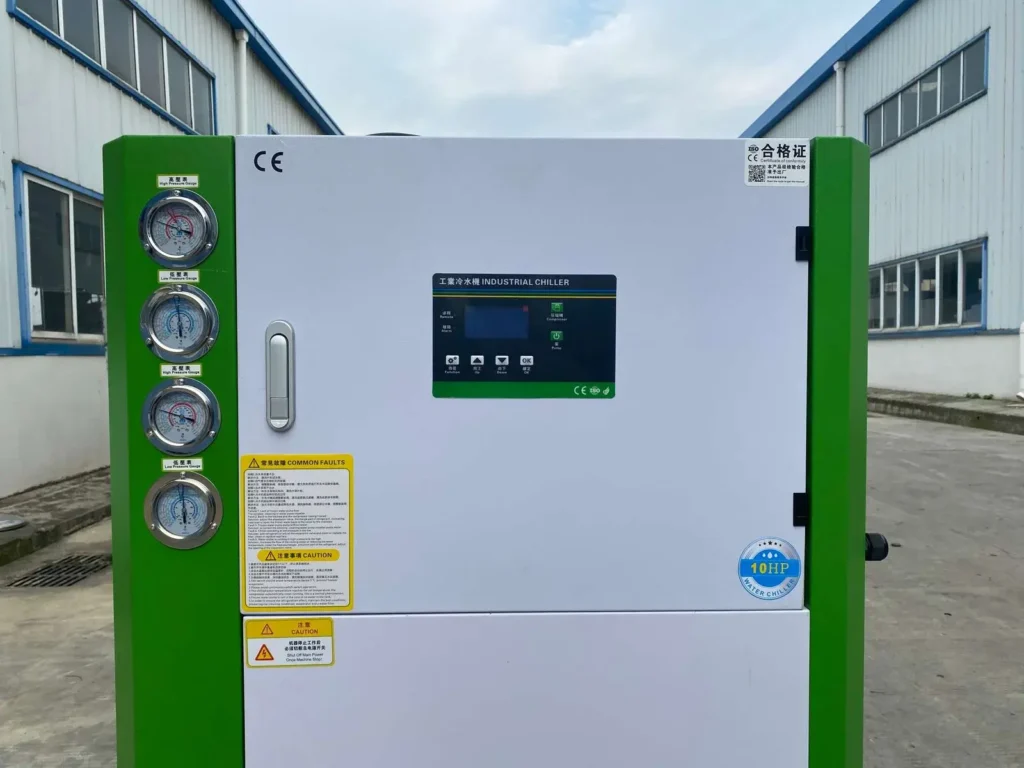
水冷式チラーの種類

Introduction: Why Water Cooled Chillers Matter A Water Cooled Chiller is one of those systems that tends to stay out of sight, yet it quietly carries a lot of responsibility. In industrial plants, office towers, hospitals, and process facilities, it helps keep temperatures stable when the load is heavy and consistency matters more than anything else. That’s often why these systems are preferred in larger or more demanding environments: they usually offer strong efficiency, steady cooling, and a design that can handle long operating hours without too much drama. Compared with smaller cooling setups, a water-cooled design often feels more “built for the long haul.” There is more equipment involved,

水冷式チラーの種類 続きを読む »

工業用冷水機

水冷式チラーメンテナンスチェックリスト

A water cooled chiller usually keeps working in the background without drawing much attention, which is convenient right up until it isn’t. Small signs of trouble tend to build slowly: a little scale in the tubes, slightly unstable water flow, maybe a sensor that’s drifting just enough to matter. None of it looks urgent at first, but over time those minor issues can chip away at efficiency and reliability. That’s why a practical maintenance checklist is worth having. It helps catch the quiet problems early, before they turn into the kind that interrupt production, raise energy costs, or make the system feel unpredictable. Why Routine Maintenance Matters More Than It

水冷式チラーメンテナンスチェックリスト 続きを読む »

工業用冷水機

水冷式チラーとは?

A Water Cooled Chiller is a refrigeration system designed to remove heat from a process or building by transferring that heat into water, then rejecting it through a separate heat-rejection loop. In practice, that usually means a cooling tower or another water-side system helps carry the heat away. The setup may sound straightforward, but it tends to show up in places where stable cooling matters a lot: factories, large commercial buildings, labs, and production lines that can’t afford temperature swings. Compared with simpler cooling arrangements, water cooled systems often feel more “built for the long haul.” They are not always the easiest to install, and they do ask for more

水冷式チラーとは? 続きを読む »

空冷式チラー

空冷チラーはどのように熱を奪うのか?

Air Cooled Chillers do one job that sounds simple but is actually a careful balance of airflow, refrigerant movement, and heat transfer. They take unwanted heat from a process or building loop and release it into the surrounding air, usually outdoors. That last part is the whole trick: instead of sending heat into water, the system uses ambient air as the heat sink. In practice, the warm discharge air is often the most obvious sign that the unit is working properly. What an Air Cooled Chiller Is Doing, Basically At a basic level, an Industrial Chiller cools water or another fluid by moving heat from one place to another. An air

空冷チラーはどのように熱を奪うのか? 続きを読む »

工業用冷水機

産業用チラーに冷媒再充填が必要なサイン

An Industrial Chiller usually does not fail all at once. More often, it starts sending small signals first — a slight drop in cooling, longer run times, a bit more noise than usual, maybe even a higher electric bill that seems too steady to ignore. Those details can be easy to brush off at first, but they often point to a refrigerant problem that is quietly growing. Refrigerant is basically what keeps the whole cooling loop doing its job. When the charge is low, the system has to work harder to deliver the same result, and that extra strain shows up in different ways depending on the setup. In many facilities,

産業用チラーに冷媒再充填が必要なサイン 続きを読む »

空冷チラーメーカー

空冷式冷凍機の種類:スクロール式、スクリュー式、遠心式

Air cooled chillers tend to look similar at first glance, but the compressor type changes quite a lot under the hood. That difference affects capacity, efficiency, noise, maintenance, and even where the unit makes sense to install. In practice, the decision is rarely about one “best” model; it’s more about matching the system to the load, the building, and the operating pattern. For facilities that need reliable process cooling or comfort cooling without the complexity of a cooling tower, air cooled chiller systems remain a very practical choice. They are widely used because they simplify installation and reduce water dependency, which is often a deciding factor in real-world projects. What Are

空冷式冷凍機の種類:スクロール式、スクリュー式、遠心式 続きを読む »

jaJapanese

お見積もり